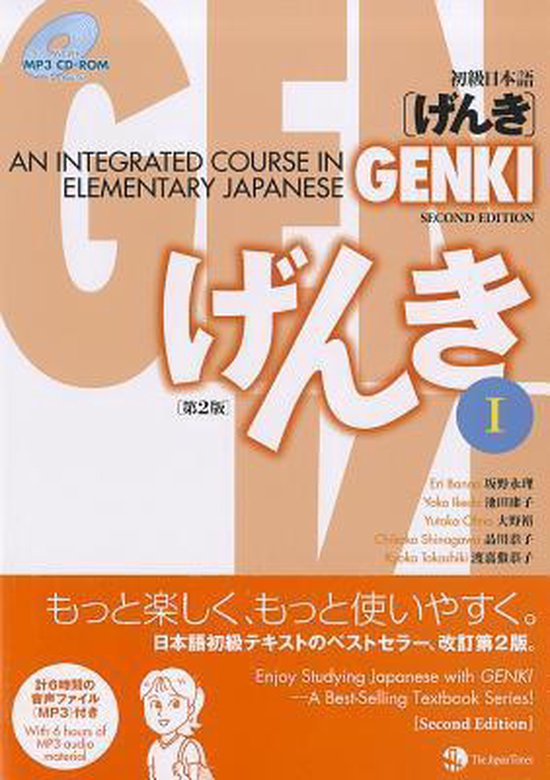
Genki Chapter 1 to 13
BA International Studies
Japanese Pre-Intermediate
Learning Objectives Japanese
Content
Section A: Verbs 2
Section B: Particles 10
Section C: Sentence Order 12
Section D: Adverbs 12
Section E: Use of です 13
Section F: Time 14
Section G: Adjectives 15
Section H: Other grammar 17
1
, Genki Chapter 1 to 13
BA International Studies
Japanese Pre-Intermediate
Section A: Verbs
➢ A.1: Basic types of verbs
○ A.1.1: る-verbs
■ With conjugation, the る falls of and gets replaced by the
following:
Present Aff. 食べます (たべま 寝ます (ねます)
す)
Present Neg. 食べません 寝ません
Past Aff. 食べました 寝ました
Past Neg. 食べませんでした 寝ませんでした
○ A.1.2: う-verbs
■ The vowel at the end of the verb that contains an う will
be replaced with a similar vowel from the hiragana table
containing an い. This results in the following:
Present Aff. 聞きます (ききます) 会います (あいます)
Present Neg. 聞きません 会いません
Past Aff. 聞きました 会いました
Past Neg. 聞きませんでした 会いませんでした
○ A.1.3: Irregular verbs
■ These are する and くる (来る)
Present Aff. します きます
Present Neg. しません きません
Past Aff. しました きました
Past Neg. しませんでした きませんでした
➢ A.2: Difference in usage between 来る and 行く
○ 来る is used to indicate a movement that is directed towards
the speaker. E.g. my old friend will visit me in Japan.
○ 行く is used to indicate a movement away from the speaker.
E.g. I will go to my friend’s house tonight.
➢ A.3: Invitations
2
, Genki Chapter 1 to 13
BA International Studies
Japanese Pre-Intermediate
○ A.3.1: Conjugation
■ 行きませんか
■ 行きましょうか
■ -ましょうか can also be used to offer help to someone.
○ A.3.2: Responding to an invitation
■ Rephrasing “no”: “(object)はちょっと。。。”
■ If one wants to do something different instead:
“(something)はどうですか。"
■ If one accepts: いいです。どこであいますか。
○ There’s relatively no difference between the two forms. Though,
ましょうか is preferred.
➢ A.4: て-form
○ A.4.1: Translations
■ “..., please”
■ “You may.../ May I…?”
■ “You must not…”
■ “I did this and that.”
○ A.4.2: Conjugation
Form て-form Example
~る (る NFて 見る 見て
-verbs)
~う、つ、る NFって 待つ 待って
~む、ぶ、ぬ NFんで 休む 休んで
~く NFいて 聞く 聞いて
~く(行く) 行って ー ー
~ぐ NFいで 泳ぐ 泳いで
~す NFして 出す 出して
する (IRR) して ー ー
くる (IRR) きて ー ー
● NF stands for the dictionary form without the final
う syllables.
○ A.4.3: ~て下さい
■ Translates literally in “Please do … for me”.
3
BA International Studies
Japanese Pre-Intermediate
Learning Objectives Japanese
Content
Section A: Verbs 2
Section B: Particles 10
Section C: Sentence Order 12
Section D: Adverbs 12
Section E: Use of です 13
Section F: Time 14
Section G: Adjectives 15
Section H: Other grammar 17
1
, Genki Chapter 1 to 13
BA International Studies
Japanese Pre-Intermediate
Section A: Verbs
➢ A.1: Basic types of verbs
○ A.1.1: る-verbs
■ With conjugation, the る falls of and gets replaced by the
following:
Present Aff. 食べます (たべま 寝ます (ねます)
す)
Present Neg. 食べません 寝ません
Past Aff. 食べました 寝ました
Past Neg. 食べませんでした 寝ませんでした
○ A.1.2: う-verbs
■ The vowel at the end of the verb that contains an う will
be replaced with a similar vowel from the hiragana table
containing an い. This results in the following:
Present Aff. 聞きます (ききます) 会います (あいます)
Present Neg. 聞きません 会いません
Past Aff. 聞きました 会いました
Past Neg. 聞きませんでした 会いませんでした
○ A.1.3: Irregular verbs
■ These are する and くる (来る)
Present Aff. します きます
Present Neg. しません きません
Past Aff. しました きました
Past Neg. しませんでした きませんでした
➢ A.2: Difference in usage between 来る and 行く
○ 来る is used to indicate a movement that is directed towards
the speaker. E.g. my old friend will visit me in Japan.
○ 行く is used to indicate a movement away from the speaker.
E.g. I will go to my friend’s house tonight.
➢ A.3: Invitations
2
, Genki Chapter 1 to 13
BA International Studies
Japanese Pre-Intermediate
○ A.3.1: Conjugation
■ 行きませんか
■ 行きましょうか
■ -ましょうか can also be used to offer help to someone.
○ A.3.2: Responding to an invitation
■ Rephrasing “no”: “(object)はちょっと。。。”
■ If one wants to do something different instead:
“(something)はどうですか。"
■ If one accepts: いいです。どこであいますか。
○ There’s relatively no difference between the two forms. Though,
ましょうか is preferred.
➢ A.4: て-form
○ A.4.1: Translations
■ “..., please”
■ “You may.../ May I…?”
■ “You must not…”
■ “I did this and that.”
○ A.4.2: Conjugation
Form て-form Example
~る (る NFて 見る 見て
-verbs)
~う、つ、る NFって 待つ 待って
~む、ぶ、ぬ NFんで 休む 休んで
~く NFいて 聞く 聞いて
~く(行く) 行って ー ー
~ぐ NFいで 泳ぐ 泳いで
~す NFして 出す 出して
する (IRR) して ー ー
くる (IRR) きて ー ー
● NF stands for the dictionary form without the final
う syllables.
○ A.4.3: ~て下さい
■ Translates literally in “Please do … for me”.
3