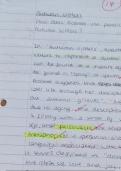
How dictatorial was the rule of Robespierre?
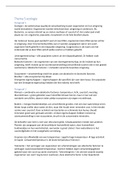
Paragraph 1: Rule was dictatorial consolidation and
centralisation of power
Wanted to consolidate power and make Jacobin government a
dictatorship
Wanted to limit power of sans-culottes
o September 1793 - deputies decreed Paris Commune should
only meet twice a week which limited ability of sans-culottes
to organise
o October 1793 - suspended constitution with one-man-one-vote
system
Law of Frimaire December 1793
o Established revolutionary government by giving CPS and CGS
executive powers and control over local governments which
could break power of sans-culottes in Paris Commune
o Disbanded all revolutionary armies except that in Paris
o Jacobins now a dictatorship
Challenges to CPS
o Indulgents led by Danton who campaigned to end the Terror
Removed, convicted and guillotined in 1794
o Hebertists who wanted more Terror
Arrested and executed
Accused of wanting to form a dictatorship in 1792 by Girondist
Lasource
o Rumours spread that Robespierre, Marat, and Danton were
plotting to establish a triumvirate to save the First French
Republic.
o Marat compared Robespierre with Julius Caesar as a dictator
On 1 July 1794, Robespierre spoke in the Jacobin club: "In London, I
am denounced to the French army as a dictator; the same slanders
have been repeated in Paris.
Paragraph 2: Rule was dictatorial removal of all ‘enemies’ of
revolution
Wanted to suppress dissent and counter revolutionary activity
Great Terror - 11 members of CPS centralised control
o Law of General Police
Allowed CPS to create a police bureau to catch counter-
revolutionaries and recruit agents to identify suspects
o Law of 19 Floreal
Gave Paris Revolutionary Tribunal jurisdiction over all
counter-revolutionary offenses
o Law of 22 Prairal
Widened definition of political crimes to include almost
anyone
Paragraph 1: Rule was dictatorial consolidation and
centralisation of power
Wanted to consolidate power and make Jacobin government a
dictatorship
Wanted to limit power of sans-culottes
o September 1793 - deputies decreed Paris Commune should
only meet twice a week which limited ability of sans-culottes
to organise
o October 1793 - suspended constitution with one-man-one-vote
system
Law of Frimaire December 1793
o Established revolutionary government by giving CPS and CGS
executive powers and control over local governments which
could break power of sans-culottes in Paris Commune
o Disbanded all revolutionary armies except that in Paris
o Jacobins now a dictatorship
Challenges to CPS
o Indulgents led by Danton who campaigned to end the Terror
Removed, convicted and guillotined in 1794
o Hebertists who wanted more Terror
Arrested and executed
Accused of wanting to form a dictatorship in 1792 by Girondist
Lasource
o Rumours spread that Robespierre, Marat, and Danton were
plotting to establish a triumvirate to save the First French
Republic.
o Marat compared Robespierre with Julius Caesar as a dictator
On 1 July 1794, Robespierre spoke in the Jacobin club: "In London, I
am denounced to the French army as a dictator; the same slanders
have been repeated in Paris.
Paragraph 2: Rule was dictatorial removal of all ‘enemies’ of
revolution
Wanted to suppress dissent and counter revolutionary activity
Great Terror - 11 members of CPS centralised control
o Law of General Police
Allowed CPS to create a police bureau to catch counter-
revolutionaries and recruit agents to identify suspects
o Law of 19 Floreal
Gave Paris Revolutionary Tribunal jurisdiction over all
counter-revolutionary offenses
o Law of 22 Prairal
Widened definition of political crimes to include almost
anyone