DURESS, UNDUE INFLUENCE AND
UNCONSCIONABLE BARGAINS
INTRODUCTION
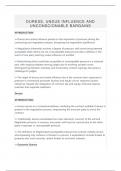
⇒ Duress and undue influence pertain to the imposition of pressure during the
contracting and negotiation phases, disrupting the negotiation equilibrium.
⇒ Negotiation inherently involves a degree of pressure, with some being deemed
acceptable while others are not. Unacceptable pressure provides a defense in the
event of one party exerting undue influence on another.
⇒ Determining what constitutes acceptable or unacceptable pressure is a nuanced
task, with ongoing debates among judges due to evolving societal norms.
Distinguishing between voluntary and involuntary contract signings also poses a
challenge for judges.
⇒ The origin of duress and undue influence lies in the common law's response to
pressure in contractual processes (duress) and equity courts' response (undue
influence). Despite the integration of common law and equity, historical reasons
maintain their separate treatment.
Duress
INTRODUCTION
⇒ Duress serves as a contractual defense, rendering the contract voidable if duress is
present in the negotiation process, empowering the innocent party to annul the
contract.
⇒ Traditionally, duress necessitated two main elements: coercion of the will and
illegitimate pressure. In essence, one party's will must be coerced due to the other
party's improper or unacceptable pressure.
⇒ The definition of illegitimate/unacceptable pressure has evolved. Initially narrow,
encompassing only violence or threats to a person, it expanded to include threats to
property and, more recently, certain threats to economic interests.
⇒ Economic Duress
UNCONSCIONABLE BARGAINS
INTRODUCTION
⇒ Duress and undue influence pertain to the imposition of pressure during the
contracting and negotiation phases, disrupting the negotiation equilibrium.
⇒ Negotiation inherently involves a degree of pressure, with some being deemed
acceptable while others are not. Unacceptable pressure provides a defense in the
event of one party exerting undue influence on another.
⇒ Determining what constitutes acceptable or unacceptable pressure is a nuanced
task, with ongoing debates among judges due to evolving societal norms.
Distinguishing between voluntary and involuntary contract signings also poses a
challenge for judges.
⇒ The origin of duress and undue influence lies in the common law's response to
pressure in contractual processes (duress) and equity courts' response (undue
influence). Despite the integration of common law and equity, historical reasons
maintain their separate treatment.
Duress
INTRODUCTION
⇒ Duress serves as a contractual defense, rendering the contract voidable if duress is
present in the negotiation process, empowering the innocent party to annul the
contract.
⇒ Traditionally, duress necessitated two main elements: coercion of the will and
illegitimate pressure. In essence, one party's will must be coerced due to the other
party's improper or unacceptable pressure.
⇒ The definition of illegitimate/unacceptable pressure has evolved. Initially narrow,
encompassing only violence or threats to a person, it expanded to include threats to
property and, more recently, certain threats to economic interests.
⇒ Economic Duress