GEORGETTE Q-BANK: DOMAIN 1
EXAM ANSWERS VERIFIED 2025
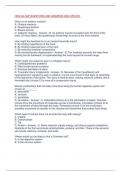
, *A 42-year-old male patient with a history of bipolar disorder presents to a psychiatric
outpatient clinic. He has been stable on Lithium Carbonate for the past three ears and
has been compliant with his medication regimen. Recently, he complained of increased
thirst and urination, muscle weakness, severe diarrhea, and vomiting. The Psychiatric
Mental Health Nurse Practitioner (PMHIP) reviews his recent laboratory results, which
shows a serum Lithium level of 1.6. What is the initial action of the PMHNP? -
ANSWERDiscontinue Lithium and Start the patient on an alternative mood stabilizer.
Correct answer: Discontinuing Lithium and starting the patient on an alternative mood
stabilizer is the most appropriate action in this scenario.
Normal serum lithium level is 0.6-1.2mEq/L
The presence of severe symptoms and a high serum Lithium level of 1.6 suggests
severe Lithium toxicity, which can be life-threatening. Discontinuation of Lithium is
crucial to stop further exposure to the toxic effects, and an alternative mood stabilizer
should be initiated to manage the patient's bipolar disorder.
*A 26-year-old patient presents to the clinic with a history of recurrent episodes of
depression and anxiety. The patient describes periods of low mood, fatigue, excessive
guilt, and poor concentration. Additionally, the patient experiences episodes of
heightened anxiety, restlessness, and racing thoughts. Based on the patient's
presentation, which neurotransmitter systems are most likely implicated in the
pathophysiology of this mood disorder?
A. Serotonin and Norepinephrine
B. Dopamine and GABA
C. Glutamate and Acetylcholine
D. Endorphins and Histamine - ANSWER**Serotonin and Dopamine
Serotonin and Dopamine Mood disorders, including bipolar disorder, often involve
dysregulation of both serotonin and dopamine systems. Low serotonin levels are
associated with depressive symptoms, while elevated dopamine levels are linked to
manic or hypomanic symptoms. The patient's presentation of both depressive and
elevated mood episodes suggests involvement of these two neurotransmitter systems.
You are a PHNP conducting an assessment on a patient who presents with behavioral
changes, personality disturbances, and language difficulties. Imaging studies show
atrophy in the frontal and temporal lobes. Which of the following clinical findings is most
indicative of possible Pick's disease (frontotemporal lobar degeneration) in this patient?
A. Gradual and progressive decline in memory and cognitive function over several
years.
B. Sudden onset of severe cognitive impairment over a few days.
C. Prominent visual hallucinations and fluctuations in alertness and attention.
EXAM ANSWERS VERIFIED 2025
, *A 42-year-old male patient with a history of bipolar disorder presents to a psychiatric
outpatient clinic. He has been stable on Lithium Carbonate for the past three ears and
has been compliant with his medication regimen. Recently, he complained of increased
thirst and urination, muscle weakness, severe diarrhea, and vomiting. The Psychiatric
Mental Health Nurse Practitioner (PMHIP) reviews his recent laboratory results, which
shows a serum Lithium level of 1.6. What is the initial action of the PMHNP? -
ANSWERDiscontinue Lithium and Start the patient on an alternative mood stabilizer.
Correct answer: Discontinuing Lithium and starting the patient on an alternative mood
stabilizer is the most appropriate action in this scenario.
Normal serum lithium level is 0.6-1.2mEq/L
The presence of severe symptoms and a high serum Lithium level of 1.6 suggests
severe Lithium toxicity, which can be life-threatening. Discontinuation of Lithium is
crucial to stop further exposure to the toxic effects, and an alternative mood stabilizer
should be initiated to manage the patient's bipolar disorder.
*A 26-year-old patient presents to the clinic with a history of recurrent episodes of
depression and anxiety. The patient describes periods of low mood, fatigue, excessive
guilt, and poor concentration. Additionally, the patient experiences episodes of
heightened anxiety, restlessness, and racing thoughts. Based on the patient's
presentation, which neurotransmitter systems are most likely implicated in the
pathophysiology of this mood disorder?
A. Serotonin and Norepinephrine
B. Dopamine and GABA
C. Glutamate and Acetylcholine
D. Endorphins and Histamine - ANSWER**Serotonin and Dopamine
Serotonin and Dopamine Mood disorders, including bipolar disorder, often involve
dysregulation of both serotonin and dopamine systems. Low serotonin levels are
associated with depressive symptoms, while elevated dopamine levels are linked to
manic or hypomanic symptoms. The patient's presentation of both depressive and
elevated mood episodes suggests involvement of these two neurotransmitter systems.
You are a PHNP conducting an assessment on a patient who presents with behavioral
changes, personality disturbances, and language difficulties. Imaging studies show
atrophy in the frontal and temporal lobes. Which of the following clinical findings is most
indicative of possible Pick's disease (frontotemporal lobar degeneration) in this patient?
A. Gradual and progressive decline in memory and cognitive function over several
years.
B. Sudden onset of severe cognitive impairment over a few days.
C. Prominent visual hallucinations and fluctuations in alertness and attention.