MTO-E
Qualitative Research Methods
2020-2021
Anne Eijkenboom
1
,Unit 1: Mini lecture Paradigms
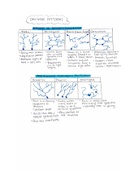
Ontology: assumptions about the nature of reality and what there is to know about the world.
2 ontological position:
1. Realism/objectivism
it’s a pipe
2. Idealism/constructionism
it’s a representation of a pipe in our brain
M
Epistemology: concerned with questions about how we know this
a world
g
2 epistemological positions: r
i
1. Objectivism empiricism t
knowing reality through our senses t
2. Constructionism interpretivism e
how people construct meaning from their experiences
Particular combinations of ontological and epistemological beliefs are called
paradigms
History of Paradigms:
1st paradigm positivism: assume there is an external reality and we know this reality by
using our senses
2nd paradigm post-positivism: reality can never be fully known
Linguistic turn: through language people construct meaning
Paradigms and the qualitative/quantitative divide
Quantitative Qualitative
Principle orientation to Deductive: testing theory Inductive: generating theory
the role of theory to
research
Epistemological Natural science model in Interpretivism
orientation particular positivism
Ontological orientation Objectivism Constructivism
2
, Unit 2: quality of research
Quality of research according to different paradigms: One’s paradigm influences one’s beliefs
of what good research is.
‘Good research’ Positivism
- There is an objective reality that we can know more or less unproblematically by
adopting an empirical approach.
We can produce accurate knowledge about the reality that surround us
Others should be able to produce the same research outcomes
3 quality criteria:
1. validity: findings are an accurate reflection of reality
2. replicability: another researcher will be able to conduct the same research
3. reliability: when another researcher will conduct the research, the results will be the same
However, for interpretivist or constructionist approach the positivism one is not effective
since we also want to understand people’s experiences etc. But this approach can’t produce
statistical evidence. So, what are good criteria for qualitative research?
Sorts of schools:
Researchers who have a more positivist orientation: they believe that there is a reality
that we can know
Researchers that argue that the 3 quality criteria are too much associated with
quantitative research. They therefore propose to use terms like ‘trustworthiness’ which
has 4 dimensions:
1. Credibility: confidence in the ‘truth’ of findings
2. Transferability: showing that the findings have applicability in other contexts
3. Dependability: showing that the findings are consistent and could be repeated
4. Confirmability: a degree of neutrality or the extent to which the finding of a study are
shaped by the respondents and not researchers bias, motivation or interest
Constructionists paradigms: researchers who argue that research shouldn’t only be judged on
its own terms, but also on its social relevance. In action research this is the main criterion!
Techniques to establish trustworthiness in qualitative research
Credibility
- Spending enough time and focussing on aspects relevant to the issue being studied
- Using multiple data sources in an investigation to produce understanding
Triangulation
- Other researchers might be able to point out weaknesses peer debriefing
- Explicit attention to data that do not seem to fit, makes the picture more complete
negative case analysis
3
Qualitative Research Methods
2020-2021
Anne Eijkenboom
1
,Unit 1: Mini lecture Paradigms
Ontology: assumptions about the nature of reality and what there is to know about the world.
2 ontological position:
1. Realism/objectivism
it’s a pipe
2. Idealism/constructionism
it’s a representation of a pipe in our brain
M
Epistemology: concerned with questions about how we know this
a world
g
2 epistemological positions: r
i
1. Objectivism empiricism t
knowing reality through our senses t
2. Constructionism interpretivism e
how people construct meaning from their experiences
Particular combinations of ontological and epistemological beliefs are called
paradigms
History of Paradigms:
1st paradigm positivism: assume there is an external reality and we know this reality by
using our senses
2nd paradigm post-positivism: reality can never be fully known
Linguistic turn: through language people construct meaning
Paradigms and the qualitative/quantitative divide
Quantitative Qualitative
Principle orientation to Deductive: testing theory Inductive: generating theory
the role of theory to
research
Epistemological Natural science model in Interpretivism
orientation particular positivism
Ontological orientation Objectivism Constructivism
2
, Unit 2: quality of research
Quality of research according to different paradigms: One’s paradigm influences one’s beliefs
of what good research is.
‘Good research’ Positivism
- There is an objective reality that we can know more or less unproblematically by
adopting an empirical approach.
We can produce accurate knowledge about the reality that surround us
Others should be able to produce the same research outcomes
3 quality criteria:
1. validity: findings are an accurate reflection of reality
2. replicability: another researcher will be able to conduct the same research
3. reliability: when another researcher will conduct the research, the results will be the same
However, for interpretivist or constructionist approach the positivism one is not effective
since we also want to understand people’s experiences etc. But this approach can’t produce
statistical evidence. So, what are good criteria for qualitative research?
Sorts of schools:
Researchers who have a more positivist orientation: they believe that there is a reality
that we can know
Researchers that argue that the 3 quality criteria are too much associated with
quantitative research. They therefore propose to use terms like ‘trustworthiness’ which
has 4 dimensions:
1. Credibility: confidence in the ‘truth’ of findings
2. Transferability: showing that the findings have applicability in other contexts
3. Dependability: showing that the findings are consistent and could be repeated
4. Confirmability: a degree of neutrality or the extent to which the finding of a study are
shaped by the respondents and not researchers bias, motivation or interest
Constructionists paradigms: researchers who argue that research shouldn’t only be judged on
its own terms, but also on its social relevance. In action research this is the main criterion!
Techniques to establish trustworthiness in qualitative research
Credibility
- Spending enough time and focussing on aspects relevant to the issue being studied
- Using multiple data sources in an investigation to produce understanding
Triangulation
- Other researchers might be able to point out weaknesses peer debriefing
- Explicit attention to data that do not seem to fit, makes the picture more complete
negative case analysis
3