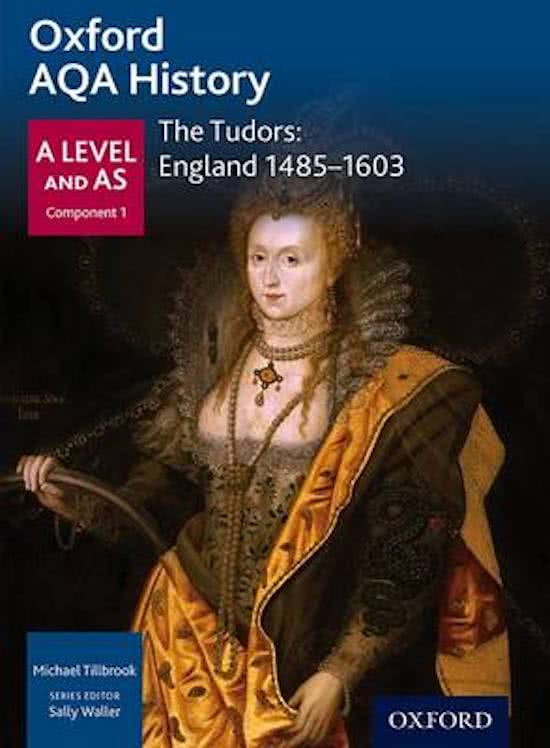
Elizabeth I Religion
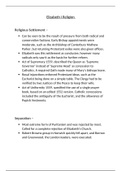
Religious Settlement –
Can be seen to be the result of pressure from both radical and
conservative factions. Early Bishop appointments were
moderate, such as the Archbishop of Canterbury Mathew
Parker, but returning Protestant exiles were also given offices.
Elizabeth saw this settlement as conclusive, however many
radicals only saw it as the basis for further reform.
Act of Supremacy 1559, described the Queen as ‘Supreme
Governor’ instead of ‘Supreme Head’ as concession to
Catholics. A required Oath made many of Mary’s bishops leave.
Royal injunctions enforced Protestant ideas, such as the
Eucharist being done on a simple table. The Clergy had to be
verified by two Justices of the Peace to keep their wife.
Act of Uniformity 1559, specified the use of a single prayer
book, based on an edited 1552 version. Catholic concessions
included the ambiguity of the Eucharist, and the allowance of
Popish Vestments.
Separation –
Most extreme form of Puritanism and was rejected by most.
Called for a complete rejection of Elizabeth’s Church.
Robert Browns group in Norwich quickly fell apart, and Borrow
and Greenwood, the London leaders, were executed.
Religious Settlement –
Can be seen to be the result of pressure from both radical and
conservative factions. Early Bishop appointments were
moderate, such as the Archbishop of Canterbury Mathew
Parker, but returning Protestant exiles were also given offices.
Elizabeth saw this settlement as conclusive, however many
radicals only saw it as the basis for further reform.
Act of Supremacy 1559, described the Queen as ‘Supreme
Governor’ instead of ‘Supreme Head’ as concession to
Catholics. A required Oath made many of Mary’s bishops leave.
Royal injunctions enforced Protestant ideas, such as the
Eucharist being done on a simple table. The Clergy had to be
verified by two Justices of the Peace to keep their wife.
Act of Uniformity 1559, specified the use of a single prayer
book, based on an edited 1552 version. Catholic concessions
included the ambiguity of the Eucharist, and the allowance of
Popish Vestments.
Separation –
Most extreme form of Puritanism and was rejected by most.
Called for a complete rejection of Elizabeth’s Church.
Robert Browns group in Norwich quickly fell apart, and Borrow
and Greenwood, the London leaders, were executed.