Unit 2F.2 South Africa, 1948 94: from apartheid state to rainbow nation
Notes were made using a combination of the following textbooks:
- Edexcel AS/A Level History, Paper 1&2: Searching for rights and freedoms in the 20th century
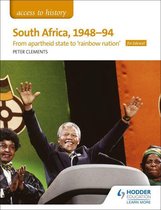
- Access to History: South Africa, 1948–94: from apartheid state to ‘rainbow nation’
UNIT 3: Redefining resistance and challenges to National Party power, 1968–83
1. Black Consciousness and the Soweto Uprising
2. The ANC restrengthened
3. Domestic challenges to National Party power, 1974-83
4. External pressures on National Party power, 1974-83
, UNIT 3: Redefining resistance and challenges
to National Party power, 1968–83
1. Black Consciousness and the Soweto Uprising
- Black Consciousness
- Increased pride in identity and culture
- Non cooperation with white groups
- Encouraged Indians and Coloured people to see themselves as black, and equally subject to
white oppression
- ‘Black man you are own your own’ = popular slogan
- Thought that the struggle against apartheid should be fought by black people
- 1972 Black Consciousness movement began to inspire schoolchildren to take pride in
themselves, and to protest about their conditions
- SASO (South African Students’ Organisation)
- 1969 SASO was formed by university students
- 1972 SASO organised strikes in university campuses to protest over inferior facilities
- 1975 celebrated overthrow of Portuguese colonial regimes in Angola & Mozambique
—> banned in 1975 but continued underground
- The South African Students’ Movement (SASM)
- Emerged out of previous organisations such as African Students’ Movement (ASM)
- SASM moved away from protests relating to school, to more general protests
- Organised disruption of local meetings of SABRA and heckled members of the Dutch
Reformed Church
- Associated with Black Consciousness and SASO — but was independent
- Unlike SASO, SASM remained legal and continued
- Mobilisation of schoolchildren
• African Education
- Education for African children wasn’t compulsory
- Estimated compulsory education would cost R126 million to employ 970k teachers, and
an additional R130 for classrooms
- 1972-4 = 40 new schools appeared in Soweto alone
- Secondary schools increased from 178,959 (179k) to 389,066 (390k)
- Government spent just 0.53% of GNP on African education
- For every R42 spent on a black child, R644 was spent on its white counterpart
- Cut number of years of African schooling from 13 to 12 years to save money
• Overcrowding
Notes were made using a combination of the following textbooks:
- Edexcel AS/A Level History, Paper 1&2: Searching for rights and freedoms in the 20th century
- Access to History: South Africa, 1948–94: from apartheid state to ‘rainbow nation’
UNIT 3: Redefining resistance and challenges to National Party power, 1968–83
1. Black Consciousness and the Soweto Uprising
2. The ANC restrengthened
3. Domestic challenges to National Party power, 1974-83
4. External pressures on National Party power, 1974-83
, UNIT 3: Redefining resistance and challenges
to National Party power, 1968–83
1. Black Consciousness and the Soweto Uprising
- Black Consciousness
- Increased pride in identity and culture
- Non cooperation with white groups
- Encouraged Indians and Coloured people to see themselves as black, and equally subject to
white oppression
- ‘Black man you are own your own’ = popular slogan
- Thought that the struggle against apartheid should be fought by black people
- 1972 Black Consciousness movement began to inspire schoolchildren to take pride in
themselves, and to protest about their conditions
- SASO (South African Students’ Organisation)
- 1969 SASO was formed by university students
- 1972 SASO organised strikes in university campuses to protest over inferior facilities
- 1975 celebrated overthrow of Portuguese colonial regimes in Angola & Mozambique
—> banned in 1975 but continued underground
- The South African Students’ Movement (SASM)
- Emerged out of previous organisations such as African Students’ Movement (ASM)
- SASM moved away from protests relating to school, to more general protests
- Organised disruption of local meetings of SABRA and heckled members of the Dutch
Reformed Church
- Associated with Black Consciousness and SASO — but was independent
- Unlike SASO, SASM remained legal and continued
- Mobilisation of schoolchildren
• African Education
- Education for African children wasn’t compulsory
- Estimated compulsory education would cost R126 million to employ 970k teachers, and
an additional R130 for classrooms
- 1972-4 = 40 new schools appeared in Soweto alone
- Secondary schools increased from 178,959 (179k) to 389,066 (390k)
- Government spent just 0.53% of GNP on African education
- For every R42 spent on a black child, R644 was spent on its white counterpart
- Cut number of years of African schooling from 13 to 12 years to save money
• Overcrowding