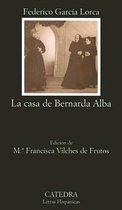
Key Themes in “La Casa de Bernarda Alba”- Lorca
Freedom, Desire, and Tragedy
● Bernarda’s daughters are trapped inside in mourning (“el luto”) after the
death of their father. Women are compelled by men, even beyond the
grave. Tradition forces them to stay inside and wear black for eight
years. This is difficult for Adela, who wants to have a passionate affair
and escape her mother’s control.
● Marriage is the only socially acceptable way out of the house for the
daughters. Bernarda forbids this marriage (eg. Martirio can’t marry
Enrique Humanes).
● Pepe traps three of the sisters with love. Angustias is lovelessly
engaged to him. Martirio has an unreciprocated affection. Adela and
Pepe have a passionate sexual affair. She’s prepared to destroy her
family to be with Pepe.
● Desire causes the final tragedy- Adela kills herself (believing Pepe to be
dead), and Bernarda denies the affair. The characters refuse to
acknowledge that their desires are unattainable. Desire motivates them
to continue living. Thinking that Pepe is dead, Adela loses the will to
live.
○ The refusal to acknowledge the reality of the affair contributes to
Adela’s death.
● Maria Josefa and the maids also dream of escape
● Adela represents the desire for freedom, especially through her
rebellion against Bernarda (“su rebeldía contra Bernarda”).
○ Colour can also represent a desire for freedom since it defies the
repressive black of mourning (eg. Adela’s green dress and the
colourful fan that she gives to Bernarda at the funeral).
, ○ Adela has the desire to not conform with following the rules that
her mother imposes (“tiene los deseos de no conformarse con
seguir las reglas que su madre impone”).
○ Adela is the only character who confronts her mother (“es el único
personaje que le planta cara a su madre”). This is most clear
when she breaks Bernarda’s cane.
Patriarchy and Domination
● Every character on stage is a woman, but this only emphasises
masculine power. The characters are trapped within the white walls of
the house, symbolising how they are trapped by expectations of purity.
○ This repression would only deepen during Franco’s power, which
Lorca predicts in his work. These rules were typical in deeply
religious rural Spain.
● Women have no power of their own, and the family collapses after
Antonio (Bernarda’s husband) dies. Bernarda is desperate to marry
Angustias to Pepe because she needs a connection to a powerful man
of a high social status.
● The women in the play are portrayed as weak, victimised, and lacking
any independence (“se representan como débiles, víctimas, y carentes
de toda independencia”).
● Both Poncia and Bernarda insult and demean women who engage in
sexual activities, including those who are harassed (eg. Paca la
Roseta). They refuse to blame the men of the town, saying either that
they were foreign or just being regular men. Women bear all
responsibility, and suffer the consequences. For example, Adela dies
whilst Pepe walks free.
● Bernarda enforces the rules of traditional femininity in the house
(“impone las reglas de la feminidad tradicional en la casa”).
Freedom, Desire, and Tragedy
● Bernarda’s daughters are trapped inside in mourning (“el luto”) after the
death of their father. Women are compelled by men, even beyond the
grave. Tradition forces them to stay inside and wear black for eight
years. This is difficult for Adela, who wants to have a passionate affair
and escape her mother’s control.
● Marriage is the only socially acceptable way out of the house for the
daughters. Bernarda forbids this marriage (eg. Martirio can’t marry
Enrique Humanes).
● Pepe traps three of the sisters with love. Angustias is lovelessly
engaged to him. Martirio has an unreciprocated affection. Adela and
Pepe have a passionate sexual affair. She’s prepared to destroy her
family to be with Pepe.
● Desire causes the final tragedy- Adela kills herself (believing Pepe to be
dead), and Bernarda denies the affair. The characters refuse to
acknowledge that their desires are unattainable. Desire motivates them
to continue living. Thinking that Pepe is dead, Adela loses the will to
live.
○ The refusal to acknowledge the reality of the affair contributes to
Adela’s death.
● Maria Josefa and the maids also dream of escape
● Adela represents the desire for freedom, especially through her
rebellion against Bernarda (“su rebeldía contra Bernarda”).
○ Colour can also represent a desire for freedom since it defies the
repressive black of mourning (eg. Adela’s green dress and the
colourful fan that she gives to Bernarda at the funeral).
, ○ Adela has the desire to not conform with following the rules that
her mother imposes (“tiene los deseos de no conformarse con
seguir las reglas que su madre impone”).
○ Adela is the only character who confronts her mother (“es el único
personaje que le planta cara a su madre”). This is most clear
when she breaks Bernarda’s cane.
Patriarchy and Domination
● Every character on stage is a woman, but this only emphasises
masculine power. The characters are trapped within the white walls of
the house, symbolising how they are trapped by expectations of purity.
○ This repression would only deepen during Franco’s power, which
Lorca predicts in his work. These rules were typical in deeply
religious rural Spain.
● Women have no power of their own, and the family collapses after
Antonio (Bernarda’s husband) dies. Bernarda is desperate to marry
Angustias to Pepe because she needs a connection to a powerful man
of a high social status.
● The women in the play are portrayed as weak, victimised, and lacking
any independence (“se representan como débiles, víctimas, y carentes
de toda independencia”).
● Both Poncia and Bernarda insult and demean women who engage in
sexual activities, including those who are harassed (eg. Paca la
Roseta). They refuse to blame the men of the town, saying either that
they were foreign or just being regular men. Women bear all
responsibility, and suffer the consequences. For example, Adela dies
whilst Pepe walks free.
● Bernarda enforces the rules of traditional femininity in the house
(“impone las reglas de la feminidad tradicional en la casa”).