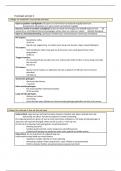
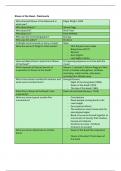
Positive and Negative Symptoms of Schizophrenia
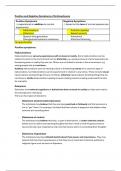
Positive Symptoms Negative Symptoms
-> experienced in addition to normal -> based on the loss of normal experiences
experiences
- Hallucinations - Avolition (apathy)
- Delusions - Speech poverty
- Speech disorganisation - Anhedonia
- Disorganised/catatonic behaviour - Affective flattening
On specification
Positive symptoms
Hallucinations
Hallucinations are sensory experiences with no basis in reality. Some hallucinations can be
related to events in the environment but are distorted, e.g. seeing someone’s facial expression as
threatening when in reality they are not. Others are not linked to events in the environment, e.g.
seeing people that are not there.
Auditory hallucinations such as hearing critical or threatening voices are a common type of
hallucination, but hallucinations can be experienced in relation to any sense. These include visual
hallucinations (seeing things that are not there), olfactory hallucinations (smelling things that are
not there) or tactile hallucinations relating to touch (feeling insects crawling underneath the skin
for example).
Delusions
Delusions are irrational cognitions or beliefs that have no basis in reality but that seem real to
the schizophrenic individual.
There are four types of delusions:
- Delusions of persecution/paranoia
The individual may believe that they are being watched or followed and that someone is
out to “get” them. For example, the belief that their phone is tapped or that hidden video
cameras are recording them
- Delusions of control
The individual may believe that they, or part of themselves, is under external control:
beliefs such as aliens are beaming thoughts into their minds or that the government or
security forces have implanted a chip into their brains which is controlling their thoughts
- Delusions of grandeur
The individual may have inflated beliefs about their power and importance. They may
believe that they have superpowers or that they are an important historical, political or
religious figure such as Jesus or Napoleon.
Positive Symptoms Negative Symptoms
-> experienced in addition to normal -> based on the loss of normal experiences
experiences
- Hallucinations - Avolition (apathy)
- Delusions - Speech poverty
- Speech disorganisation - Anhedonia
- Disorganised/catatonic behaviour - Affective flattening
On specification
Positive symptoms
Hallucinations
Hallucinations are sensory experiences with no basis in reality. Some hallucinations can be
related to events in the environment but are distorted, e.g. seeing someone’s facial expression as
threatening when in reality they are not. Others are not linked to events in the environment, e.g.
seeing people that are not there.
Auditory hallucinations such as hearing critical or threatening voices are a common type of
hallucination, but hallucinations can be experienced in relation to any sense. These include visual
hallucinations (seeing things that are not there), olfactory hallucinations (smelling things that are
not there) or tactile hallucinations relating to touch (feeling insects crawling underneath the skin
for example).
Delusions
Delusions are irrational cognitions or beliefs that have no basis in reality but that seem real to
the schizophrenic individual.
There are four types of delusions:
- Delusions of persecution/paranoia
The individual may believe that they are being watched or followed and that someone is
out to “get” them. For example, the belief that their phone is tapped or that hidden video
cameras are recording them
- Delusions of control
The individual may believe that they, or part of themselves, is under external control:
beliefs such as aliens are beaming thoughts into their minds or that the government or
security forces have implanted a chip into their brains which is controlling their thoughts
- Delusions of grandeur
The individual may have inflated beliefs about their power and importance. They may
believe that they have superpowers or that they are an important historical, political or
religious figure such as Jesus or Napoleon.