Explanationofthelawsofthermodynamicsastheyapplytobiologicalsystems:**FirstLaw**:Conservationofenergy.**SecondLaw**:Increaseinentropy(disorder)overtime.Applicationoftheselawstound
erstandenergyflowandtransformationsincells.**EnergyCurrencyofCells:ATP**:DetailedexaminationofATP(adenosinetriphosphate)astheprimaryenergycarriermoleculeincells.Structure,function(e
nergytransfer),andregenerationofATPthroughcellularrespirationandphotosynthesis.**CellularRespiration**:In-
depthcoverageofcellularrespirationastheprocessbywhichcellsharvestenergyfromglucoseandotherorganicmoleculestoproduceATP.Includes:**Glycolysis**:Breakdownofglucoseintopyruvate,withn
etproductionofATPandNADH.**KrebsCycle(CitricAcidCycle)**:Furtherbreakdownofpyruvatetogenerateelectroncarriers(NADH,FADH2).**ElectronTransportChain**:Finalstageofaerobicrespi
ration,whereelectroncarriersdonateelectronstogenerateATPviaoxidativephosphorylation.**AnaerobicRespirationandFermentation**:Overviewofanaerobicpathways(e.g.,fermentation)
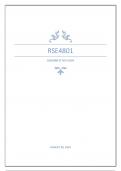
TEST BANK FOR
Deviant Behavior, 13E By Erich Goode
Chapter 1-13
TABLE OF CONTENTS
Chapter 1 An Introduction to Deviance
Chapter 2 Explaining Deviant Behavior
Chapter 3 Constructing Deviance
Chapter 4 Poverty and Disrepute
Chapter 5 Crime, Criminalization, and Criminal Behavior
Chapter 6 White Collar and Corporate Crime
Chapter 7 Political Deviance
Chapter 8 Substance Abuse
Chapter 9 Sexual Deviance
Chapter 10 Unconventional Beliefs
Chapter 11 Mental Disorder
Chapter 12 Undesirable Physical Characteristics
, Chapter 13 Tribal Stigma: Race, Religion, and Ethnicity
Explanationofthelawsofthermodynamicsastheyapplytobiologicalsystems:**FirstLaw**:Conservationofenergy.**SecondLaw**:Increaseinentropy(disorder)overtime.Applicationoftheselawsto
understandenergyflowandtransformationsincells.**EnergyCurrencyofCells:ATP**:DetailedexaminationofATP(adenosinetriphosphate)astheprimaryenergycarriermoleculeincells.Structure,f
unction(energytransfer),andregenerationofATPthroughcellularrespirationandphotosynthesis.**CellularRespiration**:In-
depthcoverageofcellularrespirationastheprocessbywhichcellsharvestenergyfromglucoseandotherorganicmoleculestoproduceATP.Includes:**Glycolysis**:Breakdownofglucoseintopyruvate,w
ithnetproductionofATPandNADH.**KrebsCycle(CitricAcidCycle)**:Furtherbreakdownofpyruvatetogenerateelectroncarriers(NADH,FADH2).**ElectronTransportChain**:Finalstageofae
robicrespiration,whereelectroncarriersdonateelectronstogenerateATPviaoxidativephosphorylation.**AnaerobicRespirationandFermentation**:Overviewofanaerobicpathways(e.g.,fermentat
ion)asalternativemechanismsforATPproductionintheabsenceofoxygen.Comparisontoaerobicrespirationintermsofefficiencyandendproducts.**Photosynthesis**:Recapitulationofphotosynthesi
sastheprocessbywhichplants,algae,andsomebacteriaconvertlightenergyintochemicalenergy(glucose)andoxygen.Includes:**LightReactions**:Conversionoflightenergytochemicalenergy(ATP,
NADPH).**CalvinCycle(DarkReactions)**:Incorporationofcarbondioxideintoorganicmolecules(sugarsynthesis).**MetabolicPathways**:Integrationofmetabolicpathwayswithincellstosuppor
tgrowth,maintenance,andreproduction.Discussiononcatabolicandanabolicpathways,energycoupling,andregulationofmetabolicactivity.**EnergyandHomeostasis**:Importanceofenergybalanc
eandhomeostasisinmaintainingcellularfunctionandoverallorganismalhealth.Roleoffeedbackmechanismsandmetabolicregulationinrespondingtoenergyneeds.**MetabolicAdaptationsandRegul
ation**:Examplesofmetabolicadaptationsinresponsetoenvironmentalchanges,dietaryintake,andphysiologicaldemands.Regulationofmetabolicpathwaysthroughenzymeactivityandgeneexpressi
on
CHAPTER ONE: AN INTRODUCTION TO DEVIANCE
True-False Questions
1) Most sociologists adopt a constructionist approach to deviance. (T)
2) Sociologically speaking, deviance refers only to behavior—never to beliefs or physical
characteristics. (F)
3) All instances of deviance are crimes. (F)
4) “High consensus” is behavior, beliefs, or conditions that are widely considered wrongful
in a given society. (T)
5) One for of expressing disapproval of a given form of deviance is the withdrawal of
sociability from interacting parties. (T)
6) Sociologists universally agree that any given deviant act should be punished. (F)
7) In order for an act to be considered deviant, all or nearly all members of a given society
must disapprove of it. (F)
8) What’s considered sociologically deviant can include the possession of an undesirable
physical characteristics. (T)
9) What’s considered deviant is a continuum or spectrum that stretches from mild to
strong disapproval. (T)
10) Sociologically speaking, people who regard a given act as deviant always react
negatively to it and against the offender. (F)
11) Over a period of time, deviance is always defined “down,” never “up.” (F)
12) The percent of the population who feel that certain activities are “morally
unacceptable” is similar in countries around the world. (F)
13) In public opinion polls, the percentage of the U.S. population who favor same sex
marriage has stayed the same over a period of more than two decades. (F)
, 14) In public opinion polls, the percentage of the U.S. population who say that they would
ban public smoking has increased over time. (T)
15) Holding and expressing unpopular, unacceptable beliefs is a form of deviance. (T)
16) Atheism is a form of deviance because it harms the society. (F)
17) An empirically true belief cannot be considered deviant. (F)
18) As a general rule, the poorer the country, the greater the likelihood that its residents
believe that it is necessary to believe in God to be a moral person. (T)
19) What makes racism deviant is that the belief harms the society in which it is held. (F)
Explanationofthelawsofthermodynamicsastheyapplytobiologicalsystems:**FirstLaw**:Conservationofenergy.**SecondLaw**:Increaseinentropy(disorder)overtime.Applicationoftheselawsto
understandenergyflowandtransformationsincells.**EnergyCurrencyofCells:ATP**:DetailedexaminationofATP(adenosinetriphosphate)astheprimaryenergycarriermoleculeincells.Structure,f
unction(energytransfer),andregenerationofATPthroughcellularrespirationandphotosynthesis.**CellularRespiration**:In-
depthcoverageofcellularrespirationastheprocessbywhichcellsharvestenergyfromglucoseandotherorganicmoleculestoproduceATP.Includes:**Glycolysis**:Breakdownofglucoseintopyruvate,w
ithnetproductionofATPandNADH.**KrebsCycle(CitricAcidCycle)**:Furtherbreakdownofpyruvatetogenerateelectroncarriers(NADH,FADH2).**ElectronTransportChain**:Finalstageofae
robicrespiration,whereelectroncarriersdonateelectronstogenerateATPviaoxidativephosphorylation.**AnaerobicRespirationandFermentation**:Overviewofanaerobicpathways(e.g.,fermentat
ion)asalternativemechanismsforATPproductionintheabsenceofoxygen.Comparisontoaerobicrespirationintermsofefficiencyandendproducts.**Photosynthesis**:Recapitulationofphotosynthesi
sastheprocessbywhichplants,algae,andsomebacteriaconvertlightenergyintochemicalenergy(glucose)andoxygen.Includes:**LightReactions**:Conversionoflightenergytochemicalenergy(ATP,
NADPH).**CalvinCycle(DarkReactions)**:Incorporationofcarbondioxideintoorganicmolecules(sugarsynthesis).**MetabolicPathways**:Integrationofmetabolicpathwayswithincellstosuppor
tgrowth,maintenance,andreproduction.Discussiononcatabolicandanabolicpathways,energycoupling,andregulationofmetabolicactivity.**EnergyandHomeostasis**:Importanceofenergybalanc
eandhomeostasisinmaintainingcellularfunctionandoverallorganismalhealth.Roleoffeedbackmechanismsandmetabolicregulationinrespondingtoenergyneeds.**MetabolicAdaptationsandRegul
ation**:Examplesofmetabolicadaptationsinresponsetoenvironmentalchanges,dietaryintake,andphysiologicaldemands.Regulationofmetabolicpathwaysthroughenzymeactivityandgeneexpressi
on
20) Since drinking is legal in the U.S. as well as a nearly universal practice, it is not
considered deviant. (F)
Multiple Choice Questions
1) The sociological definition of deviance is based on:
(a) statistical rarity
(b) psychopathology
(c) harm
(d) social disorganization
*(e) none of the above
2) The contemporary or “modern” conception of deviance is based on:
(a) the society-wide or universal agreement that a given act, belief, or trait is wrongful.
*(b) the judgment of wrongfulness by designated audiences.
(c) scientific consensus that the act in question undermines social organization.
(d) excluding beliefs and physical characteristics from the definition of what’s deviant.
(e) none of the above
3) Several sociological theories attempt to explain deviant behavior. Which of the following
theories is not one of them?
(a) anomie or strain theory
(b) social disorganization theory
(c) differential association or learning theory
(d) social control and self-control theories
*(e) none of the above; all are theories that attempt to explain deviant behavior
4) According to Erving Goffman, in Stigma, which of the following should be considered an
example or type of “blemish of individual character.”
(a) abominations of the body
, (b) tribal stigma of race, national, and religion
*(c) alcoholism
(d) physical deformities
(e) none of the above
5) The form of deviance that Goffman does not include in his typology is the stigma of:
(a) race, religion, and nation
(b) abominations of the body
(c) blemishes of individual character
*(d) absolute evil
(e) none of the above; all are included in Goffman’s typology
Explanationofthelawsofthermodynamicsastheyapplytobiologicalsystems:**FirstLaw**:Conservationofenergy.**SecondLaw**:Increaseinentropy(disorder)overtime.Applicationoftheselawsto
understandenergyflowandtransformationsincells.**EnergyCurrencyofCells:ATP**:DetailedexaminationofATP(adenosinetriphosphate)astheprimaryenergycarriermoleculeincells.Structure,f
unction(energytransfer),andregenerationofATPthroughcellularrespirationandphotosynthesis.**CellularRespiration**:In-
depthcoverageofcellularrespirationastheprocessbywhichcellsharvestenergyfromglucoseandotherorganicmoleculestoproduceATP.Includes:**Glycolysis**:Breakdownofglucoseintopyruvate,w
ithnetproductionofATPandNADH.**KrebsCycle(CitricAcidCycle)**:Furtherbreakdownofpyruvatetogenerateelectroncarriers(NADH,FADH2).**ElectronTransportChain**:Finalstageofae
robicrespiration,whereelectroncarriersdonateelectronstogenerateATPviaoxidativephosphorylation.**AnaerobicRespirationandFermentation**:Overviewofanaerobicpathways(e.g.,fermentat
ion)asalternativemechanismsforATPproductionintheabsenceofoxygen.Comparisontoaerobicrespirationintermsofefficiencyandendproducts.**Photosynthesis**:Recapitulationofphotosynthesi
sastheprocessbywhichplants,algae,andsomebacteriaconvertlightenergyintochemicalenergy(glucose)andoxygen.Includes:**LightReactions**:Conversionoflightenergytochemicalenergy(ATP,
NADPH).**CalvinCycle(DarkReactions)**:Incorporationofcarbondioxideintoorganicmolecules(sugarsynthesis).**MetabolicPathways**:Integrationofmetabolicpathwayswithincellstosuppor
tgrowth,maintenance,andreproduction.Discussiononcatabolicandanabolicpathways,energycoupling,andregulationofmetabolicactivity.**EnergyandHomeostasis**:Importanceofenergybalanc
eandhomeostasisinmaintainingcellularfunctionandoverallorganismalhealth.Roleoffeedbackmechanismsandmetabolicregulationinrespondingtoenergyneeds.**MetabolicAdaptationsandRegul
ation**:Examplesofmetabolicadaptationsinresponsetoenvironmentalchanges,dietaryintake,andphysiologicaldemands.Regulationofmetabolicpathwaysthroughenzymeactivityandgeneexpressi
on
6) To the constructionist, deviance exists because:
(a) Certain behavior is immoral everywhere and for all time.
(b) Some behavior violates God’s law.
(c) It is factually and empirically wrongful.
(d) It is caused by certain forces that can be explained.
*(e) none of the above
7) The perspective that asks and answers the question, “Why do some people engage in
deviance?” with scientifically-derived evidence is:
(a) social constructionism
(b) defining deviancy up
(c) defining deviancy down
*(d) positivism
(e) the study of cultural representations
8) Excluded from Goffman’s concept of “blemishes of individual character” is:
(a) unemployment
(b) alcoholism
(c) treacherous and rigid beliefs
(d) mental disorder
*(e) the violation of the norm of having a pleasing, esthetic appearance
9) According to Adler and Adler’s “ABCs” of deviance:
*(a) Both behavior and physical traits can be the basis for judgments of deviance.
(b) Behavior can be the basis for judgments of deviance, but physical traits
cannot.
(c) Physical traits can be the basis for judgments of deviance, but behavior
cannot.
(d) Neither behavior not physical traits can be the basis for judgments of
deviance.
(e) none of the above
10) The principle of relativity—one of the foundation-stones of the concept of deviance—
erstandenergyflowandtransformationsincells.**EnergyCurrencyofCells:ATP**:DetailedexaminationofATP(adenosinetriphosphate)astheprimaryenergycarriermoleculeincells.Structure,function(e
nergytransfer),andregenerationofATPthroughcellularrespirationandphotosynthesis.**CellularRespiration**:In-
depthcoverageofcellularrespirationastheprocessbywhichcellsharvestenergyfromglucoseandotherorganicmoleculestoproduceATP.Includes:**Glycolysis**:Breakdownofglucoseintopyruvate,withn
etproductionofATPandNADH.**KrebsCycle(CitricAcidCycle)**:Furtherbreakdownofpyruvatetogenerateelectroncarriers(NADH,FADH2).**ElectronTransportChain**:Finalstageofaerobicrespi
ration,whereelectroncarriersdonateelectronstogenerateATPviaoxidativephosphorylation.**AnaerobicRespirationandFermentation**:Overviewofanaerobicpathways(e.g.,fermentation)
TEST BANK FOR
Deviant Behavior, 13E By Erich Goode
Chapter 1-13
TABLE OF CONTENTS
Chapter 1 An Introduction to Deviance
Chapter 2 Explaining Deviant Behavior
Chapter 3 Constructing Deviance
Chapter 4 Poverty and Disrepute
Chapter 5 Crime, Criminalization, and Criminal Behavior
Chapter 6 White Collar and Corporate Crime
Chapter 7 Political Deviance
Chapter 8 Substance Abuse
Chapter 9 Sexual Deviance
Chapter 10 Unconventional Beliefs
Chapter 11 Mental Disorder
Chapter 12 Undesirable Physical Characteristics
, Chapter 13 Tribal Stigma: Race, Religion, and Ethnicity
Explanationofthelawsofthermodynamicsastheyapplytobiologicalsystems:**FirstLaw**:Conservationofenergy.**SecondLaw**:Increaseinentropy(disorder)overtime.Applicationoftheselawsto
understandenergyflowandtransformationsincells.**EnergyCurrencyofCells:ATP**:DetailedexaminationofATP(adenosinetriphosphate)astheprimaryenergycarriermoleculeincells.Structure,f
unction(energytransfer),andregenerationofATPthroughcellularrespirationandphotosynthesis.**CellularRespiration**:In-
depthcoverageofcellularrespirationastheprocessbywhichcellsharvestenergyfromglucoseandotherorganicmoleculestoproduceATP.Includes:**Glycolysis**:Breakdownofglucoseintopyruvate,w
ithnetproductionofATPandNADH.**KrebsCycle(CitricAcidCycle)**:Furtherbreakdownofpyruvatetogenerateelectroncarriers(NADH,FADH2).**ElectronTransportChain**:Finalstageofae
robicrespiration,whereelectroncarriersdonateelectronstogenerateATPviaoxidativephosphorylation.**AnaerobicRespirationandFermentation**:Overviewofanaerobicpathways(e.g.,fermentat
ion)asalternativemechanismsforATPproductionintheabsenceofoxygen.Comparisontoaerobicrespirationintermsofefficiencyandendproducts.**Photosynthesis**:Recapitulationofphotosynthesi
sastheprocessbywhichplants,algae,andsomebacteriaconvertlightenergyintochemicalenergy(glucose)andoxygen.Includes:**LightReactions**:Conversionoflightenergytochemicalenergy(ATP,
NADPH).**CalvinCycle(DarkReactions)**:Incorporationofcarbondioxideintoorganicmolecules(sugarsynthesis).**MetabolicPathways**:Integrationofmetabolicpathwayswithincellstosuppor
tgrowth,maintenance,andreproduction.Discussiononcatabolicandanabolicpathways,energycoupling,andregulationofmetabolicactivity.**EnergyandHomeostasis**:Importanceofenergybalanc
eandhomeostasisinmaintainingcellularfunctionandoverallorganismalhealth.Roleoffeedbackmechanismsandmetabolicregulationinrespondingtoenergyneeds.**MetabolicAdaptationsandRegul
ation**:Examplesofmetabolicadaptationsinresponsetoenvironmentalchanges,dietaryintake,andphysiologicaldemands.Regulationofmetabolicpathwaysthroughenzymeactivityandgeneexpressi
on
CHAPTER ONE: AN INTRODUCTION TO DEVIANCE
True-False Questions
1) Most sociologists adopt a constructionist approach to deviance. (T)
2) Sociologically speaking, deviance refers only to behavior—never to beliefs or physical
characteristics. (F)
3) All instances of deviance are crimes. (F)
4) “High consensus” is behavior, beliefs, or conditions that are widely considered wrongful
in a given society. (T)
5) One for of expressing disapproval of a given form of deviance is the withdrawal of
sociability from interacting parties. (T)
6) Sociologists universally agree that any given deviant act should be punished. (F)
7) In order for an act to be considered deviant, all or nearly all members of a given society
must disapprove of it. (F)
8) What’s considered sociologically deviant can include the possession of an undesirable
physical characteristics. (T)
9) What’s considered deviant is a continuum or spectrum that stretches from mild to
strong disapproval. (T)
10) Sociologically speaking, people who regard a given act as deviant always react
negatively to it and against the offender. (F)
11) Over a period of time, deviance is always defined “down,” never “up.” (F)
12) The percent of the population who feel that certain activities are “morally
unacceptable” is similar in countries around the world. (F)
13) In public opinion polls, the percentage of the U.S. population who favor same sex
marriage has stayed the same over a period of more than two decades. (F)
, 14) In public opinion polls, the percentage of the U.S. population who say that they would
ban public smoking has increased over time. (T)
15) Holding and expressing unpopular, unacceptable beliefs is a form of deviance. (T)
16) Atheism is a form of deviance because it harms the society. (F)
17) An empirically true belief cannot be considered deviant. (F)
18) As a general rule, the poorer the country, the greater the likelihood that its residents
believe that it is necessary to believe in God to be a moral person. (T)
19) What makes racism deviant is that the belief harms the society in which it is held. (F)
Explanationofthelawsofthermodynamicsastheyapplytobiologicalsystems:**FirstLaw**:Conservationofenergy.**SecondLaw**:Increaseinentropy(disorder)overtime.Applicationoftheselawsto
understandenergyflowandtransformationsincells.**EnergyCurrencyofCells:ATP**:DetailedexaminationofATP(adenosinetriphosphate)astheprimaryenergycarriermoleculeincells.Structure,f
unction(energytransfer),andregenerationofATPthroughcellularrespirationandphotosynthesis.**CellularRespiration**:In-
depthcoverageofcellularrespirationastheprocessbywhichcellsharvestenergyfromglucoseandotherorganicmoleculestoproduceATP.Includes:**Glycolysis**:Breakdownofglucoseintopyruvate,w
ithnetproductionofATPandNADH.**KrebsCycle(CitricAcidCycle)**:Furtherbreakdownofpyruvatetogenerateelectroncarriers(NADH,FADH2).**ElectronTransportChain**:Finalstageofae
robicrespiration,whereelectroncarriersdonateelectronstogenerateATPviaoxidativephosphorylation.**AnaerobicRespirationandFermentation**:Overviewofanaerobicpathways(e.g.,fermentat
ion)asalternativemechanismsforATPproductionintheabsenceofoxygen.Comparisontoaerobicrespirationintermsofefficiencyandendproducts.**Photosynthesis**:Recapitulationofphotosynthesi
sastheprocessbywhichplants,algae,andsomebacteriaconvertlightenergyintochemicalenergy(glucose)andoxygen.Includes:**LightReactions**:Conversionoflightenergytochemicalenergy(ATP,
NADPH).**CalvinCycle(DarkReactions)**:Incorporationofcarbondioxideintoorganicmolecules(sugarsynthesis).**MetabolicPathways**:Integrationofmetabolicpathwayswithincellstosuppor
tgrowth,maintenance,andreproduction.Discussiononcatabolicandanabolicpathways,energycoupling,andregulationofmetabolicactivity.**EnergyandHomeostasis**:Importanceofenergybalanc
eandhomeostasisinmaintainingcellularfunctionandoverallorganismalhealth.Roleoffeedbackmechanismsandmetabolicregulationinrespondingtoenergyneeds.**MetabolicAdaptationsandRegul
ation**:Examplesofmetabolicadaptationsinresponsetoenvironmentalchanges,dietaryintake,andphysiologicaldemands.Regulationofmetabolicpathwaysthroughenzymeactivityandgeneexpressi
on
20) Since drinking is legal in the U.S. as well as a nearly universal practice, it is not
considered deviant. (F)
Multiple Choice Questions
1) The sociological definition of deviance is based on:
(a) statistical rarity
(b) psychopathology
(c) harm
(d) social disorganization
*(e) none of the above
2) The contemporary or “modern” conception of deviance is based on:
(a) the society-wide or universal agreement that a given act, belief, or trait is wrongful.
*(b) the judgment of wrongfulness by designated audiences.
(c) scientific consensus that the act in question undermines social organization.
(d) excluding beliefs and physical characteristics from the definition of what’s deviant.
(e) none of the above
3) Several sociological theories attempt to explain deviant behavior. Which of the following
theories is not one of them?
(a) anomie or strain theory
(b) social disorganization theory
(c) differential association or learning theory
(d) social control and self-control theories
*(e) none of the above; all are theories that attempt to explain deviant behavior
4) According to Erving Goffman, in Stigma, which of the following should be considered an
example or type of “blemish of individual character.”
(a) abominations of the body
, (b) tribal stigma of race, national, and religion
*(c) alcoholism
(d) physical deformities
(e) none of the above
5) The form of deviance that Goffman does not include in his typology is the stigma of:
(a) race, religion, and nation
(b) abominations of the body
(c) blemishes of individual character
*(d) absolute evil
(e) none of the above; all are included in Goffman’s typology
Explanationofthelawsofthermodynamicsastheyapplytobiologicalsystems:**FirstLaw**:Conservationofenergy.**SecondLaw**:Increaseinentropy(disorder)overtime.Applicationoftheselawsto
understandenergyflowandtransformationsincells.**EnergyCurrencyofCells:ATP**:DetailedexaminationofATP(adenosinetriphosphate)astheprimaryenergycarriermoleculeincells.Structure,f
unction(energytransfer),andregenerationofATPthroughcellularrespirationandphotosynthesis.**CellularRespiration**:In-
depthcoverageofcellularrespirationastheprocessbywhichcellsharvestenergyfromglucoseandotherorganicmoleculestoproduceATP.Includes:**Glycolysis**:Breakdownofglucoseintopyruvate,w
ithnetproductionofATPandNADH.**KrebsCycle(CitricAcidCycle)**:Furtherbreakdownofpyruvatetogenerateelectroncarriers(NADH,FADH2).**ElectronTransportChain**:Finalstageofae
robicrespiration,whereelectroncarriersdonateelectronstogenerateATPviaoxidativephosphorylation.**AnaerobicRespirationandFermentation**:Overviewofanaerobicpathways(e.g.,fermentat
ion)asalternativemechanismsforATPproductionintheabsenceofoxygen.Comparisontoaerobicrespirationintermsofefficiencyandendproducts.**Photosynthesis**:Recapitulationofphotosynthesi
sastheprocessbywhichplants,algae,andsomebacteriaconvertlightenergyintochemicalenergy(glucose)andoxygen.Includes:**LightReactions**:Conversionoflightenergytochemicalenergy(ATP,
NADPH).**CalvinCycle(DarkReactions)**:Incorporationofcarbondioxideintoorganicmolecules(sugarsynthesis).**MetabolicPathways**:Integrationofmetabolicpathwayswithincellstosuppor
tgrowth,maintenance,andreproduction.Discussiononcatabolicandanabolicpathways,energycoupling,andregulationofmetabolicactivity.**EnergyandHomeostasis**:Importanceofenergybalanc
eandhomeostasisinmaintainingcellularfunctionandoverallorganismalhealth.Roleoffeedbackmechanismsandmetabolicregulationinrespondingtoenergyneeds.**MetabolicAdaptationsandRegul
ation**:Examplesofmetabolicadaptationsinresponsetoenvironmentalchanges,dietaryintake,andphysiologicaldemands.Regulationofmetabolicpathwaysthroughenzymeactivityandgeneexpressi
on
6) To the constructionist, deviance exists because:
(a) Certain behavior is immoral everywhere and for all time.
(b) Some behavior violates God’s law.
(c) It is factually and empirically wrongful.
(d) It is caused by certain forces that can be explained.
*(e) none of the above
7) The perspective that asks and answers the question, “Why do some people engage in
deviance?” with scientifically-derived evidence is:
(a) social constructionism
(b) defining deviancy up
(c) defining deviancy down
*(d) positivism
(e) the study of cultural representations
8) Excluded from Goffman’s concept of “blemishes of individual character” is:
(a) unemployment
(b) alcoholism
(c) treacherous and rigid beliefs
(d) mental disorder
*(e) the violation of the norm of having a pleasing, esthetic appearance
9) According to Adler and Adler’s “ABCs” of deviance:
*(a) Both behavior and physical traits can be the basis for judgments of deviance.
(b) Behavior can be the basis for judgments of deviance, but physical traits
cannot.
(c) Physical traits can be the basis for judgments of deviance, but behavior
cannot.
(d) Neither behavior not physical traits can be the basis for judgments of
deviance.
(e) none of the above
10) The principle of relativity—one of the foundation-stones of the concept of deviance—