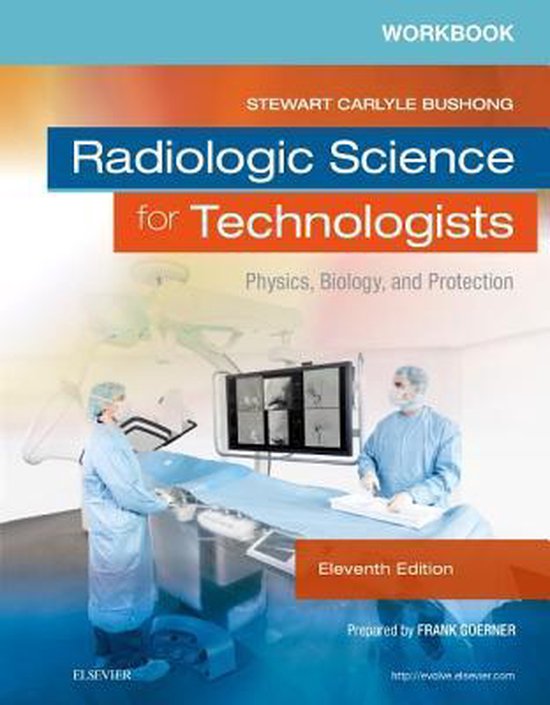
TEST BANK For Radiologic Science for Technologists
c c c c c c
12th Edition by Stewart C Bushong
c c c c c c
Chapters 1 - 40, Complete
c c c c c c
, TABLE OF CONTENTS c c c
1. Essential Concepts of Radiologic Science
c c c c c
2. Basic Physics Primer
c c c
3. The Structure of Matter
c c c c
4. Electromagnetic Energy
c c
5. Electricity, Magnetism, and Electromagnetism
c c c c
6. The X-Ray Imaging System
c c c c
7. The X-Ray Tube
c c c
8. X-Ray Production
c c
9. X-Ray Emission
c c
10. X-Ray Interaction with Matter
c c c c
11. Imaging Science
c c
12. Computed Radiography
c c
13. Digital Radiography
c c
14. Digital Radiographic Technique
c c c
15. Image Acquisition
c c
16. Patient-Image Optimization
c c
17. Viewing the Medical Image
c c c c
18. Picture Archiving and Communication System
c c c c c
19. Image Perception
c c
20. Digital Display Device
c c c
21. Medical Image Descriptors
c c c
22. Scatter Radiation
c c
23. Radiographic Artifacts
c c
24. Mammography
c
25. Fluoroscopy
c
26. Interventional Radiology
c c
27. Computed Tomography
c c
28. Tomosynthesis
c
29. Human Biology
c c
30. Fundamental Principles of Radiobiology
c c c c
31. Molecular Radiobiology
c c
32. Cellular Radiobiology
c c
33. Deterministic Effects of Radiation
c c c c
34. Stochastic Effects of Radiation
c c c c
35. Health Physics
c c
36. Designing for Radiation Protection
c c c c
37. Radiography/Fluoroscopy Patient Radiation Dose
c c c c
38. Computed Tomography Patient Radiation Dose
c c c c c
39. Patient Radiation Dose Management
c c c c
40. Occupational Radiation Dose Management
c c c c c
,Chapter 01: Essential Concepts of Radiologic Science
c c c c c c
Bushong: Radiologic Science for Technologists, 12th Edition
c c c c c c c
MULTIPLE CHOICE c
1. Matter is measured in
c c c .
a. kilograms
b. joules
c. electron volts c
d. rems
ANS A
WER
Matter is measured in kilograms.
c c c c
:
2. Atoms and molecules are the fundamental building blocks of
c c c c c c c c .
a. energy
b. radiation
c. matter
d. gravity
ANS C
WER
Atoms and molecules are the fundamental building blocks of matter.
c c c c c c c c c
:
3. Ice and steam are examples of two forms of
c c c c c c c c .
a. matter
b. radiation
c. energy
d. work
ANS: A
Ice and steam are examples of two forms of matter.
c c c c c c c c c
4. The formula E = mc2 is the basis for the theory that led to the development of
c c c c
c
c c c c c c c c c c c .
a. x-rays
b. electromagnetic radiation c
c. nuclear power c
d. cathode ray tubes c c
ANS: C
The formula E = mc2 is the basis for the theory that led to the development of nuclear power.
c c c c c c c c c c c c c c c c c c
5. Radio waves, light, and x-rays are all examples of
c c c c c c c c energy.
a. nuclear
b. thermal
c. electrical
d. electromagnetic
ANS: D
Electromagnetic energy includes radio waves, light, and x-rays as well as other parts of
c c c c c c c c c c c c c
thespectrum.
c c
, 6. A moving object has
c c c energy.
a. potential
b. kinetic
c. nuclear
d. electromagnetic
ANS: B c
A moving object has kinetic energy.
c c c c c
7. What is the removal of an electron from an atom called?
c c c c c c c c c c
a. Ionization
b. Pair production c
c. Irradiation
d. Electricity
ANS: A c
The removal of an electron from an atom is called ionization.
c c c c c c c c c c
8. Ionizing radiation is capable of removing
c c c c c from atoms as it passes through
c c c c c
cthematter.
c
a. neutrons
b. protons
c. electrons
d. ions
ANS: C c
Ionizing radiation is capable of removing electrons from atoms as it passes through the matter.
c c c c c c c c c c c c c c
9. The energy of x-rays is _
c c c c c .
a. thermal
b. potential
c. kinetic
d. electromagnetic
ANS: D c
X-rays are a form of electromagnetic energy.
c c c c c c
10. The biggest source of man-made ionizing radiation exposure to the public is
c c c c c c c c c c c
c .
a. atomic fallout c
b. diagnostic x-rays c
c. smoke detectors c
d. nuclear power plants c c
ANS: B c
Medical x-ray exposure is the biggest source of man-made radiation.
c c c c c c c c c
11. In the United States, we are exposed to
c c c c c c c _ mSv/year of ionizing radiation from
c c c c c
cthenatural environment.
c c
a. 0 to 5 c c
b. 5 to 20 c c
c. 20 to 90 c c
c c c c c c
12th Edition by Stewart C Bushong
c c c c c c
Chapters 1 - 40, Complete
c c c c c c
, TABLE OF CONTENTS c c c
1. Essential Concepts of Radiologic Science
c c c c c
2. Basic Physics Primer
c c c
3. The Structure of Matter
c c c c
4. Electromagnetic Energy
c c
5. Electricity, Magnetism, and Electromagnetism
c c c c
6. The X-Ray Imaging System
c c c c
7. The X-Ray Tube
c c c
8. X-Ray Production
c c
9. X-Ray Emission
c c
10. X-Ray Interaction with Matter
c c c c
11. Imaging Science
c c
12. Computed Radiography
c c
13. Digital Radiography
c c
14. Digital Radiographic Technique
c c c
15. Image Acquisition
c c
16. Patient-Image Optimization
c c
17. Viewing the Medical Image
c c c c
18. Picture Archiving and Communication System
c c c c c
19. Image Perception
c c
20. Digital Display Device
c c c
21. Medical Image Descriptors
c c c
22. Scatter Radiation
c c
23. Radiographic Artifacts
c c
24. Mammography
c
25. Fluoroscopy
c
26. Interventional Radiology
c c
27. Computed Tomography
c c
28. Tomosynthesis
c
29. Human Biology
c c
30. Fundamental Principles of Radiobiology
c c c c
31. Molecular Radiobiology
c c
32. Cellular Radiobiology
c c
33. Deterministic Effects of Radiation
c c c c
34. Stochastic Effects of Radiation
c c c c
35. Health Physics
c c
36. Designing for Radiation Protection
c c c c
37. Radiography/Fluoroscopy Patient Radiation Dose
c c c c
38. Computed Tomography Patient Radiation Dose
c c c c c
39. Patient Radiation Dose Management
c c c c
40. Occupational Radiation Dose Management
c c c c c
,Chapter 01: Essential Concepts of Radiologic Science
c c c c c c
Bushong: Radiologic Science for Technologists, 12th Edition
c c c c c c c
MULTIPLE CHOICE c
1. Matter is measured in
c c c .
a. kilograms
b. joules
c. electron volts c
d. rems
ANS A
WER
Matter is measured in kilograms.
c c c c
:
2. Atoms and molecules are the fundamental building blocks of
c c c c c c c c .
a. energy
b. radiation
c. matter
d. gravity
ANS C
WER
Atoms and molecules are the fundamental building blocks of matter.
c c c c c c c c c
:
3. Ice and steam are examples of two forms of
c c c c c c c c .
a. matter
b. radiation
c. energy
d. work
ANS: A
Ice and steam are examples of two forms of matter.
c c c c c c c c c
4. The formula E = mc2 is the basis for the theory that led to the development of
c c c c
c
c c c c c c c c c c c .
a. x-rays
b. electromagnetic radiation c
c. nuclear power c
d. cathode ray tubes c c
ANS: C
The formula E = mc2 is the basis for the theory that led to the development of nuclear power.
c c c c c c c c c c c c c c c c c c
5. Radio waves, light, and x-rays are all examples of
c c c c c c c c energy.
a. nuclear
b. thermal
c. electrical
d. electromagnetic
ANS: D
Electromagnetic energy includes radio waves, light, and x-rays as well as other parts of
c c c c c c c c c c c c c
thespectrum.
c c
, 6. A moving object has
c c c energy.
a. potential
b. kinetic
c. nuclear
d. electromagnetic
ANS: B c
A moving object has kinetic energy.
c c c c c
7. What is the removal of an electron from an atom called?
c c c c c c c c c c
a. Ionization
b. Pair production c
c. Irradiation
d. Electricity
ANS: A c
The removal of an electron from an atom is called ionization.
c c c c c c c c c c
8. Ionizing radiation is capable of removing
c c c c c from atoms as it passes through
c c c c c
cthematter.
c
a. neutrons
b. protons
c. electrons
d. ions
ANS: C c
Ionizing radiation is capable of removing electrons from atoms as it passes through the matter.
c c c c c c c c c c c c c c
9. The energy of x-rays is _
c c c c c .
a. thermal
b. potential
c. kinetic
d. electromagnetic
ANS: D c
X-rays are a form of electromagnetic energy.
c c c c c c
10. The biggest source of man-made ionizing radiation exposure to the public is
c c c c c c c c c c c
c .
a. atomic fallout c
b. diagnostic x-rays c
c. smoke detectors c
d. nuclear power plants c c
ANS: B c
Medical x-ray exposure is the biggest source of man-made radiation.
c c c c c c c c c
11. In the United States, we are exposed to
c c c c c c c _ mSv/year of ionizing radiation from
c c c c c
cthenatural environment.
c c
a. 0 to 5 c c
b. 5 to 20 c c
c. 20 to 90 c c