TEST BANK for Organic Chemistry 6th Edition Smith /
r/s r/s r/s r/s r/s r/s r/s r/s
All Chapters 1 - 29 / Full Complete
r/s r/s r/s r/s r/s r/s r/s r/s
Page 1
r/s
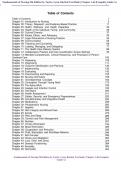
,Chapter 1 Structure and Bonding
r/s r/s r/s r/s
Chapter 2 Acids and Bases
r/s r/s r/s r/s
Chapter 3 Introduction to Organic Molecules and Functional Groups
r/s r/s r/s r/s r/s r/s r/s r/s
Chapter 4 Alkanes
r/s r/s
Chapter 5 Stereochemistry
r/s r/s
Chapter 6 Understanding Organic Reactions
r/s r/s r/s r/s
Chapter 7 Alkyl Halides and Nucleophilic Substitution
r/s r/s r/s r/s r/s r/s
Chapter 8 Alkyl Halides and Elimination Reactions
r/s r/s r/s r/s r/s r/s
Chapter 9 Alcohols, Ethers, and Related Compounds
r/s r/s r/s r/s r/s r/s
Chapter 10 Alkenes and Addition Reactions
r/s r/s r/s r/s r/s
Chapter 11 Alkynes and Synthesis
r/s r/s r/s r/s
Chapter 12 Oxidation and Reduction
r/s r/s r/s r/s
Spectroscopy A Mass Spectrometryr/s r/s r/s
Spectroscopy B Infrared Spectroscopy
r/s r/s r/s
Spectroscopy C Nuclear Magnetic Resonance Spectroscopy
r/s r/s r/s r/s r/s
Chapter 13 Radical Reactions
r/s r/s r/s
Chapter 14 Conjugation, Resonance, and Dienes
r/s r/s r/s r/s r/s
Chapter 15 Benzene and Aromatic Compounds
r/s r/s r/s r/s r/s
Chapter 16 Reactions of Aromatic Compounds
r/s r/s r/s r/s r/s
Chapter 17 Introduction to Carbonyl Chemistry: Organometallic Reagents;
r/s r/s r/s r/s r/s r/s r/s
Oxidation and Reduction
r/s r/s r/s
Chapter 18 Aldehydes and Ketones—Nucleophilic Addition
r/s r/s r/s r/s r/s
Chapter 19 Carboxylic Acids and Nitriles
r/s r/s r/s r/s r/s
Chapter 20 Carboxylic Acids and Their Derivatives- Nucleophilic Acyl Substitution
r/s r/s r/s r/s r/s r/s r/s r/s r/s
Chapter 21 Substitution Reactions of Carbonyl Compounds at the α-Carbon
r/s r/s r/s r/s r/s r/s r/s r/s r/s
Chapter 22 Carbonyl Condensation Reactions
r/s r/s r/s r/s
Chapter 23 Amines
r/s r/s
Chapter 24 Carbon-Carbon Bond-Forming Reactions in Organic Synthesis
r/s r/s r/s r/s r/s r/s r/s
Chapter 25 Pericyclic Reactions
r/s r/s r/s
Chapter 26 Carbohydrates
r/s r/s
Chapter 27 Amino Acids and Proteins
r/s r/s r/s r/s r/s
Chapter 28 Synthetic Polymers
r/s r/s r/s
Chapter 29 Lipids (Available online)
r/s r/s r/s r/s
Page 2 r/s
, Chapter1:StructureandBonding r/s r/s r/s r/s
1. What is the ground-state electronic configuration of a carbon atom? A)
r/s r/s r/s r/s r/s r/s r/s r/s r/s r/s
r1s2, 2s2, 2p5
/ s B) 1s2, 2s2, 2p2 C) 1s2, 2s2, 2p6 D) 1s2,2s2,2p4
r/s r/s r / s r/s r/s r / s r/s r/s r / s r/s r/s
2. What is the ground-state electronic configuration of a fluorine atom?A)
r/s r/s r/s r/s r/s r/s r/s r/s r/s r/s
r1s2, 2s2, 2p2
/ s B) 1s2, 2s2, 2p3 C) 1s2, 2s2, 2p4 D) 1s2,2s2,2p5
r/s r/s r / s r/s r/s r / s r/s r/s r / s r/s r/s
3. Whatistheground-stateelectronicconfiguration of amagnesium cation (Mg2+)?A)
r/s r/s r/s r/s r/s r/s r/s r/s r/s r/s r/s
1s2,2s2,2p6 r/s C) 1s2, 2s2, 2p6, 3s2
r/s r/s r/s r/s
B) 1s2,2s2,2p6,3s1 r/s r/s r/s D) 1s2,2s2,2p6,3s2,3p2 r/s r/s r/s r/s
4. Whatisthe ground-stateelectronicconfiguration of a chlorine anion(Cl—)?A)
r/s r/s r/s r/s r/s r/s r/s r/s r/s r/s r/s
1s2,2s2,2p6 r/s C) 1s2, 2s2, 2p6, 3s2, 3p5
r/s r/s r/s r/s r/s
B) 1s2,2s2,2p6,3s2,3p6 r/s r/s r/s r/s D) 1s2,2s2,2p6,3s2,3p4 r/s r/s r/s r/s
5. Which of the following statements about valence electrons istrue?
r/s r/s r/s r/s r/s r/s r/s r/s r/s
A) They are the most tightly held electrons. r/s r/s r/s r/s r/s r/s
B) They do not participate in chemical reactions. r/s r/s r/s r/s r/s r/s
Page 3 r/s
, Chapter 1: Structure and Bonding r/s r/s r/s r/s
C) They are the outermost electrons. r/s r/s r/s r/s
D) They reveal theperiod number of a second-row element. r/s r/s r/s r/s r/s r/s r/s r/s
6. Which of the following statements about bonding is true?
r/s r/s r/s r/s r/s r/s r/s r/s
A) Covalent bonds result from the transfer of electrons from one element to another. r/s r/s r/s r/s r/s r/s r/s r/s r/s r/s r/s r/s
B) Ionic bondsresult from the transfer of electrons from a metal to a non-metal.
r/s r/s r/s r/s r/s r/s r/s r/s r/s r/s r/s r/s r/s
C) Ionic bonds result from the sharing of electrons between two non-metals.
r/s r/s r/s r/s r/s r/s r/s r/s r/s r/s
D) Covalent bonds result from the sharing of electrons between two metals. r/s r/s r/s r/s r/s r/s r/s r/s r/s r/s
7. Which of the following would you expect to have ionic bonds?
r/s r/s r/s r/s r/s r /s r/s r/s r/s r/s
A) CO B) FBr C) NF3 D) NaCl r / s r / s r / s
8. Which of the following molecules has nonpolar covalent bonds?
r/s r/s r/s r/s r/s r/s r/s r/s
A) HCl B) N2 C) CHCl3 D) NO r / s r / s r / s
9. Which of the following molecules contain both covalent and ionic bonds?
r/s r/s r/s r/s r/s r/s r/s r/s r/s r/s
A) I, II r/s B) r / s I, IV C) r/s r / s II, III D) II, IV r/s r/ s r/s
10. Arrange the following bonds in decreasing order of ionic character,putting the mostionic
r/s r/s r/s r/s r/s r/s r/s r/s r/s r/s r/s r/s r/s
first.
r/s
A) I > II > III > IV
r/s r/s r/s r/s r/s r/s C) IV > III > II > I r/s r/s r/s r/s r/s r/s
B) IV> II > I > III r/s r/s r/s r/s r/s r/s D) IV > II > III > I r/s r/s r/s r/s r/s r/s
11. Which of the following statements correctly describes thetypical number of bonds for
r/s r/s r/s r/s r/s r/s r/s r/s r/s r/s r/s r/s
carbon, nitrogen, and oxygen in most neutral organic molecules?
r/s r/s r/s r/s r/s r/s r/s r/s r/s
A) Carbon forms 4 covalent bonds, nitrogen forms 2 covalent bonds and oxygen forms3 r/s r/s r/s r/s r/s r/s r/s r/s r/s r/s r/s r/s r/s
covalent bonds.
r/s r /s
B) Carbon forms 4 covalent bonds, nitrogen forms 3 covalent bonds and oxygen forms2 r/s r/s r/s r/s r/s r/s r/s r/s r/s r/s r/s r/s r/s
covalent bonds.
r/s r /s
Page 4 r/s
r/s r/s r/s r/s r/s r/s r/s r/s
All Chapters 1 - 29 / Full Complete
r/s r/s r/s r/s r/s r/s r/s r/s
Page 1
r/s
,Chapter 1 Structure and Bonding
r/s r/s r/s r/s
Chapter 2 Acids and Bases
r/s r/s r/s r/s
Chapter 3 Introduction to Organic Molecules and Functional Groups
r/s r/s r/s r/s r/s r/s r/s r/s
Chapter 4 Alkanes
r/s r/s
Chapter 5 Stereochemistry
r/s r/s
Chapter 6 Understanding Organic Reactions
r/s r/s r/s r/s
Chapter 7 Alkyl Halides and Nucleophilic Substitution
r/s r/s r/s r/s r/s r/s
Chapter 8 Alkyl Halides and Elimination Reactions
r/s r/s r/s r/s r/s r/s
Chapter 9 Alcohols, Ethers, and Related Compounds
r/s r/s r/s r/s r/s r/s
Chapter 10 Alkenes and Addition Reactions
r/s r/s r/s r/s r/s
Chapter 11 Alkynes and Synthesis
r/s r/s r/s r/s
Chapter 12 Oxidation and Reduction
r/s r/s r/s r/s
Spectroscopy A Mass Spectrometryr/s r/s r/s
Spectroscopy B Infrared Spectroscopy
r/s r/s r/s
Spectroscopy C Nuclear Magnetic Resonance Spectroscopy
r/s r/s r/s r/s r/s
Chapter 13 Radical Reactions
r/s r/s r/s
Chapter 14 Conjugation, Resonance, and Dienes
r/s r/s r/s r/s r/s
Chapter 15 Benzene and Aromatic Compounds
r/s r/s r/s r/s r/s
Chapter 16 Reactions of Aromatic Compounds
r/s r/s r/s r/s r/s
Chapter 17 Introduction to Carbonyl Chemistry: Organometallic Reagents;
r/s r/s r/s r/s r/s r/s r/s
Oxidation and Reduction
r/s r/s r/s
Chapter 18 Aldehydes and Ketones—Nucleophilic Addition
r/s r/s r/s r/s r/s
Chapter 19 Carboxylic Acids and Nitriles
r/s r/s r/s r/s r/s
Chapter 20 Carboxylic Acids and Their Derivatives- Nucleophilic Acyl Substitution
r/s r/s r/s r/s r/s r/s r/s r/s r/s
Chapter 21 Substitution Reactions of Carbonyl Compounds at the α-Carbon
r/s r/s r/s r/s r/s r/s r/s r/s r/s
Chapter 22 Carbonyl Condensation Reactions
r/s r/s r/s r/s
Chapter 23 Amines
r/s r/s
Chapter 24 Carbon-Carbon Bond-Forming Reactions in Organic Synthesis
r/s r/s r/s r/s r/s r/s r/s
Chapter 25 Pericyclic Reactions
r/s r/s r/s
Chapter 26 Carbohydrates
r/s r/s
Chapter 27 Amino Acids and Proteins
r/s r/s r/s r/s r/s
Chapter 28 Synthetic Polymers
r/s r/s r/s
Chapter 29 Lipids (Available online)
r/s r/s r/s r/s
Page 2 r/s
, Chapter1:StructureandBonding r/s r/s r/s r/s
1. What is the ground-state electronic configuration of a carbon atom? A)
r/s r/s r/s r/s r/s r/s r/s r/s r/s r/s
r1s2, 2s2, 2p5
/ s B) 1s2, 2s2, 2p2 C) 1s2, 2s2, 2p6 D) 1s2,2s2,2p4
r/s r/s r / s r/s r/s r / s r/s r/s r / s r/s r/s
2. What is the ground-state electronic configuration of a fluorine atom?A)
r/s r/s r/s r/s r/s r/s r/s r/s r/s r/s
r1s2, 2s2, 2p2
/ s B) 1s2, 2s2, 2p3 C) 1s2, 2s2, 2p4 D) 1s2,2s2,2p5
r/s r/s r / s r/s r/s r / s r/s r/s r / s r/s r/s
3. Whatistheground-stateelectronicconfiguration of amagnesium cation (Mg2+)?A)
r/s r/s r/s r/s r/s r/s r/s r/s r/s r/s r/s
1s2,2s2,2p6 r/s C) 1s2, 2s2, 2p6, 3s2
r/s r/s r/s r/s
B) 1s2,2s2,2p6,3s1 r/s r/s r/s D) 1s2,2s2,2p6,3s2,3p2 r/s r/s r/s r/s
4. Whatisthe ground-stateelectronicconfiguration of a chlorine anion(Cl—)?A)
r/s r/s r/s r/s r/s r/s r/s r/s r/s r/s r/s
1s2,2s2,2p6 r/s C) 1s2, 2s2, 2p6, 3s2, 3p5
r/s r/s r/s r/s r/s
B) 1s2,2s2,2p6,3s2,3p6 r/s r/s r/s r/s D) 1s2,2s2,2p6,3s2,3p4 r/s r/s r/s r/s
5. Which of the following statements about valence electrons istrue?
r/s r/s r/s r/s r/s r/s r/s r/s r/s
A) They are the most tightly held electrons. r/s r/s r/s r/s r/s r/s
B) They do not participate in chemical reactions. r/s r/s r/s r/s r/s r/s
Page 3 r/s
, Chapter 1: Structure and Bonding r/s r/s r/s r/s
C) They are the outermost electrons. r/s r/s r/s r/s
D) They reveal theperiod number of a second-row element. r/s r/s r/s r/s r/s r/s r/s r/s
6. Which of the following statements about bonding is true?
r/s r/s r/s r/s r/s r/s r/s r/s
A) Covalent bonds result from the transfer of electrons from one element to another. r/s r/s r/s r/s r/s r/s r/s r/s r/s r/s r/s r/s
B) Ionic bondsresult from the transfer of electrons from a metal to a non-metal.
r/s r/s r/s r/s r/s r/s r/s r/s r/s r/s r/s r/s r/s
C) Ionic bonds result from the sharing of electrons between two non-metals.
r/s r/s r/s r/s r/s r/s r/s r/s r/s r/s
D) Covalent bonds result from the sharing of electrons between two metals. r/s r/s r/s r/s r/s r/s r/s r/s r/s r/s
7. Which of the following would you expect to have ionic bonds?
r/s r/s r/s r/s r/s r /s r/s r/s r/s r/s
A) CO B) FBr C) NF3 D) NaCl r / s r / s r / s
8. Which of the following molecules has nonpolar covalent bonds?
r/s r/s r/s r/s r/s r/s r/s r/s
A) HCl B) N2 C) CHCl3 D) NO r / s r / s r / s
9. Which of the following molecules contain both covalent and ionic bonds?
r/s r/s r/s r/s r/s r/s r/s r/s r/s r/s
A) I, II r/s B) r / s I, IV C) r/s r / s II, III D) II, IV r/s r/ s r/s
10. Arrange the following bonds in decreasing order of ionic character,putting the mostionic
r/s r/s r/s r/s r/s r/s r/s r/s r/s r/s r/s r/s r/s
first.
r/s
A) I > II > III > IV
r/s r/s r/s r/s r/s r/s C) IV > III > II > I r/s r/s r/s r/s r/s r/s
B) IV> II > I > III r/s r/s r/s r/s r/s r/s D) IV > II > III > I r/s r/s r/s r/s r/s r/s
11. Which of the following statements correctly describes thetypical number of bonds for
r/s r/s r/s r/s r/s r/s r/s r/s r/s r/s r/s r/s
carbon, nitrogen, and oxygen in most neutral organic molecules?
r/s r/s r/s r/s r/s r/s r/s r/s r/s
A) Carbon forms 4 covalent bonds, nitrogen forms 2 covalent bonds and oxygen forms3 r/s r/s r/s r/s r/s r/s r/s r/s r/s r/s r/s r/s r/s
covalent bonds.
r/s r /s
B) Carbon forms 4 covalent bonds, nitrogen forms 3 covalent bonds and oxygen forms2 r/s r/s r/s r/s r/s r/s r/s r/s r/s r/s r/s r/s r/s
covalent bonds.
r/s r /s
Page 4 r/s