

Individual Umbrella
branding branding Hybrid
branding
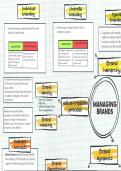
involves creating a separate brand for each Involves using a single brand for all of a
product or product line company’s products Companies with multiple p
might also employ hybrid
DISADVANTAGES involves a variety of indivi
ADVANTAGES
ADVANTAGES DISADVANTAGES branding, and sub-brandi
leverages the equity of poor performance by
It enables a company to substantial amount of
an existing brand, any product carrying the
serve diverse customer time, money, and benefiting from the brand name can easily
segments in diverse managerial resources instant recognition of hurt the reputation of the
product categories
(brand equity)
the core brand parent brand Brand
hierarchy
Includes the identifying characteristics
of the brand, such as brand name,
logo, symbol. Brand
Brand elements should also be flexible identity
to adapt to changes in the market
environmen identify company
offering value-creation MANAGING
differentiate from
Reflects the brand-related the competition process BRANDS
perceptions and beliefs held by the
buyers. Example: self-expressive Brand
benefits (use of the brand as a means
to express one’s identity)
meaning
Relevant
concepts
Brand Essence: Brand essence distills
Brand
the meaning of the brand into one key dynamics
aspect—the positioning of the brand Brand
Repositioning
branding branding Hybrid
branding
involves creating a separate brand for each Involves using a single brand for all of a
product or product line company’s products Companies with multiple p
might also employ hybrid
DISADVANTAGES involves a variety of indivi
ADVANTAGES
ADVANTAGES DISADVANTAGES branding, and sub-brandi
leverages the equity of poor performance by
It enables a company to substantial amount of
an existing brand, any product carrying the
serve diverse customer time, money, and benefiting from the brand name can easily
segments in diverse managerial resources instant recognition of hurt the reputation of the
product categories
(brand equity)
the core brand parent brand Brand
hierarchy
Includes the identifying characteristics
of the brand, such as brand name,
logo, symbol. Brand
Brand elements should also be flexible identity
to adapt to changes in the market
environmen identify company
offering value-creation MANAGING
differentiate from
Reflects the brand-related the competition process BRANDS
perceptions and beliefs held by the
buyers. Example: self-expressive Brand
benefits (use of the brand as a means
to express one’s identity)
meaning
Relevant
concepts
Brand Essence: Brand essence distills
Brand
the meaning of the brand into one key dynamics
aspect—the positioning of the brand Brand
Repositioning


