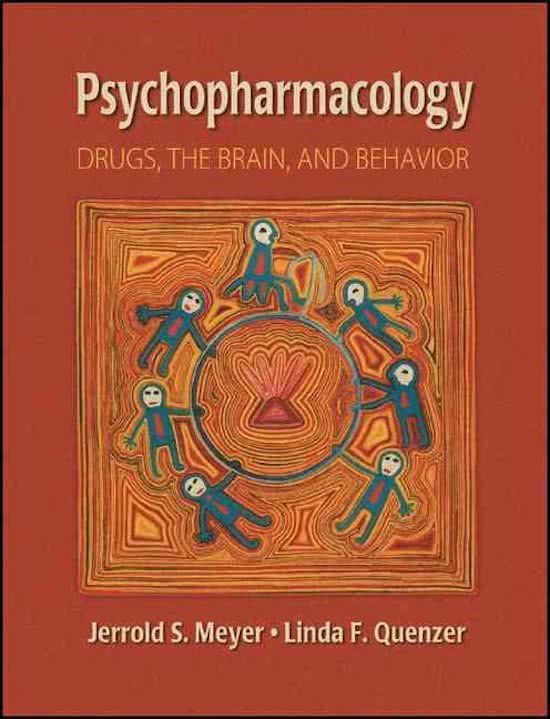
TEST BANK For Psychopharmacology
Drugs the Brain and Behavior 3rd Edition
a By Meyer Nursing, Verified Chapters 1 - 20
WWW.THENURSINGMASTERY.COM
Page 1 of 247
,Chapter 1. Principles of Pharmacology
Chapter 2. Structure and Function of the Nervous System
Chapter 3. Chemical Signaling by Neurotransmitters and Hormones
Chapter 4. Methods of Research in Psychopharmacology
Chapter 5. Catecholamines
Chapter 6. Serotonin
Chapter 7. Acetylcholine
Chapter 8. Glutamate and GABA
Chapter 9. Drug Abuse and Addiction
Chapter 10. Alcohol
Chapter 11. The Opioids
Chapter 12. Psychomotor Stimulants: Cocaine, Amphetamine, and Related Drugs
Chapter 13. Nicotine and Caffeine
Chapter 14. Marijuana and the Cannabinoids
Chapter 15. Hallucinogens, PCP, and Ketamine
Chapter 16. Inhalants, GHB, and Anabolic-Androgenic Steroids
Chapter 17. Disorders of Anxiety and Impulsivity and the Drugs Used to Treat These
Disorders
Chapter 18. Affective Disorders: Antidepressants and Mood Stabilizers
Chapter 19. Schizophrenia: Antipsychotic Drugs
Chapter 20. Neurodegenerative Diseases
WWW.THENURSINGMASTERY.COM
Page 2 of 247
, Chapter 1: Principles of Pharmacology
Multiple Choice
1. refer(s) to specific molecular changes that occur when a drug binds to a
particular target site or receptor, while are the resulting widespread alterations
in function.
a. Drug action; therapeutic effects
b. Side effects; drug effects
c. Therapeutic effects; side effects
d. Drug action; drug effects
ANSWER: d
Textbook Reference: Pharmacology: The Science of Drug Action
2. After drug administration has occurred, the amount of drug in the blood that is free to
bind at specific target sites is referred to as
a. the therapeutic dose.
b. first-pass effects.
c. bioavailability.
d. ED50.
ANSWER: c
Textbook Reference: Pharmacokinetic Factors Determining Drug Action
3. The specific molecular changes that occur when a drug binds to a particular target site
or receptor are referred to as
a. drug effects.
b. drug action.
c. side effects.
d. placebo effects.
WWW.THENURSINGMASTERY.COM
Page 3 of 247
,ANSWER: b
Textbook Reference: Pharmacology: The Science of Drug Action
4. Which of the following is not a possible explanation for placebo effects?
a. Pavlovian conditioning
b. Genetic variation
c. Drug competition
d. Expectation of outcome
ANSWER: c
Textbook Reference: Pharmacology: The Science of Drug Action
5. The administration of oxytocin has been proposed as a treatment for autism.
a. intravenous
b. oral
c. intranasal
d. intracerebral
ANSWER: c
Textbook Reference: Pharmacokinetic Factors Determining Drug Action
6. Which factor does not affect the pharmacokinetics of a drug?
a. Route of administration
b. Lipid solubility
c. Depot binding
d. Drug action
ANSWER: d
Textbook Reference: Pharmacokinetic Factors Determining Drug Action
7. First-pass metabolism occurs when drugs are taken
a. orally.
b. intravenously.
c. subcutaneously.
d. nasally.
ANSWER: a
WWW.THENURSINGMASTERY.COM
Page 4 of 247
,Textbook tReference: tPharmacokinetic tFactors tDetermining tDrug tAction
8. The tarea tpostrema tis tone tarea tin tthe tbrain twhere tthe is tnot tcomplete.
a. cerebrospinal tfluid
b. blood–brain tbarrier
c. choroid tplexus
d. phospholipid tmembrane
ANSWER: tb
Textbook tReference: tPharmacokinetic tFactors tDetermining tDrug tAction
9. First-pass tmetabolism toccurs twith torally tadministered tdrugs tbecause
a. their tabsorption tis tslowed tby tfood.
b. drugs tabsorbed tinto tthe tbloodstream tfrom tthe tstomach tgo tto tthe tliver ton tthe tway
ttotgeneral tcirculation.
c. drugs tmust tfirst tsurvive tthe tacidic tenvironment tof tthe tstomach.
d. salivary tenzymes tin tthe tmouth tbegin tthe tprocess tof tmetabolism.
ANSWER: tb
Textbook tReference: tPharmacokinetic tFactors tDetermining tDrug tAction
10. Toxic tsubstances tin tthe tblood ttrigger ta tvomiting tresponse tby tactivating tthe
a. blood–brain tbarrier.
b. choroid tplexus.
c. area tpostrema.
d. median teminence.
ANSWER: tc
Textbook tReference: tPharmacokinetic tFactors tDetermining tDrug tAction
11. Drugs tadministered t_ have tthe tmost trapid tonset tof taction.
a. subcutaneously
b. intramuscularly
c. orally
d. intravenously
WWW.THENURSINGMASTERY.COM
Page 5 of 247
,ANSWER: td
Textbook tReference: tPharmacokinetic tFactors tDetermining tDrug tAction
12. Ionization tof ta tdrug tdepends ton tthe of tthe tsolution tand tthe of
tthetdrug.
a. pH; tpKa
b. pKa; tpH
c. concentration; tlipid tsolubility
d. pH; tconcentration
ANSWER: ta
Textbook tReference: tPharmacokinetic tFactors tDetermining tDrug tAction
13. The tabsorption tof ta tdrug tdepends ton tall tof tthe tfollowing texcept
a. lipid tsolubility.
b. ionization.
c. body ttemperature.
d. the tconcentration tof tthe tdrug.
ANSWER: tc
Textbook tReference: tPharmacokinetic tFactors tDetermining tDrug tAction
14. Drugs tthat tare should tbe tavoided tby twomen tof tchildbearing tage.
a. teratogenic
b. able tto tcross tthe tplacental tbarrier
c. psychoactive
d. highly tlipid-soluble
ANSWER: ta
Textbook tReference: tPharmacokinetic tFactors tDetermining tDrug tAction
15. Agents tthat tinduce tdevelopmental tabnormalities tin ta tfetus tare tknown tas
a. psychoactive tdrugs.
b. illicit tdrugs.
c. teratogens.
WWW.THENURSINGMASTERY.COM
Page 6 of 247
,d. placental tdrugs.
ANSWER: tc
Textbook tReference: tPharmacokinetic tFactors tDetermining tDrug tAction
16. Depot tbinding tis tsaid tto toccur twhen tdrugs
a. bind tto ttheir ttarget tsites.
b. bind tto tinactive tsites.
c. compete tfor tbinding tsites.
d. are texcreted tbefore tbinding.
ANSWER: tb
Textbook tReference: tPharmacokinetic tFactors tDetermining tDrug tAction
17. Which tstatement tabout tdepot tbinding tis tfalse?
a. It treduces tthe tconcentration tof tdrug tat tits tsite tof taction.
b. It tmay tdelay tthe tonset tof tdrug taction.
c. It tmay tprolong tdrug taction tby tdisrupting tnormal tmetabolism.
d. It tincreases tthe tconcentration tof tdrug tat tits tsite tof taction tby treleasing tlarge tquantities
tattonce.
ANSWER: td
Textbook tReference: tPharmacokinetic tFactors tDetermining tDrug tAction
18. Drug tmetabolism tmostly toccurs tin tthe and tusually tmakes ta tdrug tmore
t soluble.
a. kidneys; tfat
b. liver; tfat
c. liver; twater
d. kidneys; twater
ANSWER: tc
Textbook tReference: tPharmacokinetic tFactors tDetermining tDrug tAction
19. Which tstatement tabout tdrug tclearance tby tfirst-order tkinetics tis tfalse?
a. Molecules tof ta tdrug tare tcleared tat ta tconstant trate tregardless tof tdrug tconcentration.
WWW.THENURSINGMASTERY.COM
Page 7 of 247
,b. Molecules tof ta tdrug tare tcleared tat tan texponential trate.
c. A tconstant tfraction tof tthe tfree tdrug tin tthe tblood tis tremoved tin teach ttime tinterval.
d. Clearance tof tmost tdrugs toccurs tin tthis tmanner.
ANSWER: ta
Textbook tReference: tPharmacokinetic tFactors tDetermining tDrug tAction
20. Ethyl talcohol t(ethanol) tis tan texample tof ta tdrug tthat tis teliminated
a. by tfirst-order tkinetics.
b. by tzero-order tkinetics.
c. by tsecond-order tkinetics.
d. at tthe tpoint tthat tsix thalf-lives thave tpassed.
ANSWER: tb
Textbook tReference: tPharmacokinetic tFactors tDetermining tDrug tAction
21. Biotransformation tof tdrugs tin tthe tliver toften toccurs tin ttwo tstages; tphase tI tchanges tare
t and tinclude .
a. nonsynthetic; tconjugation
b. synthetic; tconjugation
c. nonsynthetic; toxidation
d. synthetic; toxidation
ANSWER: tc
Textbook tReference: tPharmacokinetic tFactors tDetermining tDrug tAction
22. Biotransformation tof tdrugs tcan tresult tin tthe tformation tof , twhich tenter
tthetcirculation tand tcause .
a. inactive tmetabolites; tsensitization
b. active tmetabolites; tprolonged tdrug taction
c. active tmetabolites; ttolerance
d. enzymes; ttolerance
ANSWER: tb
Textbook tReference: tPharmacokinetic tFactors tDetermining tDrug tAction
WWW.THENURSINGMASTERY.COM
Page 8 of 247
,23. Which tstatement tabout twater-soluble tmetabolites tformed tin tthe tliver tis tfalse?
a. They tmay treturn tto tthe tcirculation tand tact ton ttarget ttissues.
b. They tmay tbe tfiltered tout tby tthe tkidneys.
c. They tmay tbe texcreted tinto tbile.
d. They tmay tbe teliminated twith tthe tfeces.
ANSWER: ta
Textbook tReference: tPharmacokinetic tFactors tDetermining tDrug tAction
24. Which tstatement tabout tmicrosomal tenzymes tin tthe tliver tis tfalse?
a. They tare thighly tspecific tand tact tonly ton tcertain tcompounds.
b. They tare tlocated ton tthe tsmooth tendoplasmic treticulum.
c. The tcytochrome tP450 tfamily tis tone tof tthe tmost timportant.
d. They tcan tmetabolize ttoxins tand tenvironmental tpollutants tas twell tas tdrugs.
ANSWER: ta
Textbook tReference: tPharmacokinetic tFactors tDetermining tDrug tAction
25. Repeated tuse tof tmany tpsychoactive tdrugs tcan tcause , twhich tcan tspeed tup
tthetrate tof tbiotransformation tof tthese tdrugs tas twell tas tothers.
a. drug tcompetition
b. enzyme tinhibition
c. enzyme tinduction
d. tolerance
ANSWER: tc
Textbook tReference: tPharmacokinetic tFactors tDetermining tDrug tAction
26. Due tto , tantidepressants tknown tas tmonoamine toxidase tinhibitors
t(MAOIs)tcan tcause tcardiac tarrhythmias tand thigh tblood tpressure tin tpatients tthat
tconsume tfoods thigh tin ttyramine.
a. sensitization
b. tolerance
c. drug tcompetition
d. enzyme tinhibition
WWW.THENURSINGMASTERY.COM
Page 9 of 247
, ANSWER: td
Textbook tReference: tPharmacokinetic tFactors tDetermining tDrug tAction
27. While tdrugs tcan tbe texcreted tfrom tthe tbody tby tseveral troutes, tthe tmost
timportanttroute tof telimination tis tthrough tthe
a. breath.
b. sweat.
c. feces.
d. urine.
ANSWER: td
Textbook tReference: tPharmacokinetic tFactors tDetermining tDrug tAction
28. The tliver tand tkidneys twork ttogether tto _ tand drugs, trespectively.
a. metabolize; texcrete
b. excrete; tmetabolize
c. bind; tmetabolize
d. absorb; texcrete
ANSWER: ta
Textbook tReference: tPharmacokinetic tFactors tDetermining tDrug tAction
29. For tdrugs tthat thave ta tnarrow ttherapeutic twindow tor tpotentially tserious tside
teffects,ttherapeutic tdrug tmonitoring tuses to tdetermine tthe toptimum tdosage tfor ta
tnew tpatient.
a. body ttemperature
b. urine ttesting
c. brain tscans
d. blood tsampling
ANSWER: td
Textbook tReference: tTherapeutic tDrug tMonitoring
30. While tpharmacokinetics tdescribes thow tthe tbody tdeals twith tdrugs,
describesthow tdrug tmolecules tinteract twith ttheir ttargets.
a. drug teffect
WWW.THENURSINGMASTERY.COM
Page 10 of 247
Drugs the Brain and Behavior 3rd Edition
a By Meyer Nursing, Verified Chapters 1 - 20
WWW.THENURSINGMASTERY.COM
Page 1 of 247
,Chapter 1. Principles of Pharmacology
Chapter 2. Structure and Function of the Nervous System
Chapter 3. Chemical Signaling by Neurotransmitters and Hormones
Chapter 4. Methods of Research in Psychopharmacology
Chapter 5. Catecholamines
Chapter 6. Serotonin
Chapter 7. Acetylcholine
Chapter 8. Glutamate and GABA
Chapter 9. Drug Abuse and Addiction
Chapter 10. Alcohol
Chapter 11. The Opioids
Chapter 12. Psychomotor Stimulants: Cocaine, Amphetamine, and Related Drugs
Chapter 13. Nicotine and Caffeine
Chapter 14. Marijuana and the Cannabinoids
Chapter 15. Hallucinogens, PCP, and Ketamine
Chapter 16. Inhalants, GHB, and Anabolic-Androgenic Steroids
Chapter 17. Disorders of Anxiety and Impulsivity and the Drugs Used to Treat These
Disorders
Chapter 18. Affective Disorders: Antidepressants and Mood Stabilizers
Chapter 19. Schizophrenia: Antipsychotic Drugs
Chapter 20. Neurodegenerative Diseases
WWW.THENURSINGMASTERY.COM
Page 2 of 247
, Chapter 1: Principles of Pharmacology
Multiple Choice
1. refer(s) to specific molecular changes that occur when a drug binds to a
particular target site or receptor, while are the resulting widespread alterations
in function.
a. Drug action; therapeutic effects
b. Side effects; drug effects
c. Therapeutic effects; side effects
d. Drug action; drug effects
ANSWER: d
Textbook Reference: Pharmacology: The Science of Drug Action
2. After drug administration has occurred, the amount of drug in the blood that is free to
bind at specific target sites is referred to as
a. the therapeutic dose.
b. first-pass effects.
c. bioavailability.
d. ED50.
ANSWER: c
Textbook Reference: Pharmacokinetic Factors Determining Drug Action
3. The specific molecular changes that occur when a drug binds to a particular target site
or receptor are referred to as
a. drug effects.
b. drug action.
c. side effects.
d. placebo effects.
WWW.THENURSINGMASTERY.COM
Page 3 of 247
,ANSWER: b
Textbook Reference: Pharmacology: The Science of Drug Action
4. Which of the following is not a possible explanation for placebo effects?
a. Pavlovian conditioning
b. Genetic variation
c. Drug competition
d. Expectation of outcome
ANSWER: c
Textbook Reference: Pharmacology: The Science of Drug Action
5. The administration of oxytocin has been proposed as a treatment for autism.
a. intravenous
b. oral
c. intranasal
d. intracerebral
ANSWER: c
Textbook Reference: Pharmacokinetic Factors Determining Drug Action
6. Which factor does not affect the pharmacokinetics of a drug?
a. Route of administration
b. Lipid solubility
c. Depot binding
d. Drug action
ANSWER: d
Textbook Reference: Pharmacokinetic Factors Determining Drug Action
7. First-pass metabolism occurs when drugs are taken
a. orally.
b. intravenously.
c. subcutaneously.
d. nasally.
ANSWER: a
WWW.THENURSINGMASTERY.COM
Page 4 of 247
,Textbook tReference: tPharmacokinetic tFactors tDetermining tDrug tAction
8. The tarea tpostrema tis tone tarea tin tthe tbrain twhere tthe is tnot tcomplete.
a. cerebrospinal tfluid
b. blood–brain tbarrier
c. choroid tplexus
d. phospholipid tmembrane
ANSWER: tb
Textbook tReference: tPharmacokinetic tFactors tDetermining tDrug tAction
9. First-pass tmetabolism toccurs twith torally tadministered tdrugs tbecause
a. their tabsorption tis tslowed tby tfood.
b. drugs tabsorbed tinto tthe tbloodstream tfrom tthe tstomach tgo tto tthe tliver ton tthe tway
ttotgeneral tcirculation.
c. drugs tmust tfirst tsurvive tthe tacidic tenvironment tof tthe tstomach.
d. salivary tenzymes tin tthe tmouth tbegin tthe tprocess tof tmetabolism.
ANSWER: tb
Textbook tReference: tPharmacokinetic tFactors tDetermining tDrug tAction
10. Toxic tsubstances tin tthe tblood ttrigger ta tvomiting tresponse tby tactivating tthe
a. blood–brain tbarrier.
b. choroid tplexus.
c. area tpostrema.
d. median teminence.
ANSWER: tc
Textbook tReference: tPharmacokinetic tFactors tDetermining tDrug tAction
11. Drugs tadministered t_ have tthe tmost trapid tonset tof taction.
a. subcutaneously
b. intramuscularly
c. orally
d. intravenously
WWW.THENURSINGMASTERY.COM
Page 5 of 247
,ANSWER: td
Textbook tReference: tPharmacokinetic tFactors tDetermining tDrug tAction
12. Ionization tof ta tdrug tdepends ton tthe of tthe tsolution tand tthe of
tthetdrug.
a. pH; tpKa
b. pKa; tpH
c. concentration; tlipid tsolubility
d. pH; tconcentration
ANSWER: ta
Textbook tReference: tPharmacokinetic tFactors tDetermining tDrug tAction
13. The tabsorption tof ta tdrug tdepends ton tall tof tthe tfollowing texcept
a. lipid tsolubility.
b. ionization.
c. body ttemperature.
d. the tconcentration tof tthe tdrug.
ANSWER: tc
Textbook tReference: tPharmacokinetic tFactors tDetermining tDrug tAction
14. Drugs tthat tare should tbe tavoided tby twomen tof tchildbearing tage.
a. teratogenic
b. able tto tcross tthe tplacental tbarrier
c. psychoactive
d. highly tlipid-soluble
ANSWER: ta
Textbook tReference: tPharmacokinetic tFactors tDetermining tDrug tAction
15. Agents tthat tinduce tdevelopmental tabnormalities tin ta tfetus tare tknown tas
a. psychoactive tdrugs.
b. illicit tdrugs.
c. teratogens.
WWW.THENURSINGMASTERY.COM
Page 6 of 247
,d. placental tdrugs.
ANSWER: tc
Textbook tReference: tPharmacokinetic tFactors tDetermining tDrug tAction
16. Depot tbinding tis tsaid tto toccur twhen tdrugs
a. bind tto ttheir ttarget tsites.
b. bind tto tinactive tsites.
c. compete tfor tbinding tsites.
d. are texcreted tbefore tbinding.
ANSWER: tb
Textbook tReference: tPharmacokinetic tFactors tDetermining tDrug tAction
17. Which tstatement tabout tdepot tbinding tis tfalse?
a. It treduces tthe tconcentration tof tdrug tat tits tsite tof taction.
b. It tmay tdelay tthe tonset tof tdrug taction.
c. It tmay tprolong tdrug taction tby tdisrupting tnormal tmetabolism.
d. It tincreases tthe tconcentration tof tdrug tat tits tsite tof taction tby treleasing tlarge tquantities
tattonce.
ANSWER: td
Textbook tReference: tPharmacokinetic tFactors tDetermining tDrug tAction
18. Drug tmetabolism tmostly toccurs tin tthe and tusually tmakes ta tdrug tmore
t soluble.
a. kidneys; tfat
b. liver; tfat
c. liver; twater
d. kidneys; twater
ANSWER: tc
Textbook tReference: tPharmacokinetic tFactors tDetermining tDrug tAction
19. Which tstatement tabout tdrug tclearance tby tfirst-order tkinetics tis tfalse?
a. Molecules tof ta tdrug tare tcleared tat ta tconstant trate tregardless tof tdrug tconcentration.
WWW.THENURSINGMASTERY.COM
Page 7 of 247
,b. Molecules tof ta tdrug tare tcleared tat tan texponential trate.
c. A tconstant tfraction tof tthe tfree tdrug tin tthe tblood tis tremoved tin teach ttime tinterval.
d. Clearance tof tmost tdrugs toccurs tin tthis tmanner.
ANSWER: ta
Textbook tReference: tPharmacokinetic tFactors tDetermining tDrug tAction
20. Ethyl talcohol t(ethanol) tis tan texample tof ta tdrug tthat tis teliminated
a. by tfirst-order tkinetics.
b. by tzero-order tkinetics.
c. by tsecond-order tkinetics.
d. at tthe tpoint tthat tsix thalf-lives thave tpassed.
ANSWER: tb
Textbook tReference: tPharmacokinetic tFactors tDetermining tDrug tAction
21. Biotransformation tof tdrugs tin tthe tliver toften toccurs tin ttwo tstages; tphase tI tchanges tare
t and tinclude .
a. nonsynthetic; tconjugation
b. synthetic; tconjugation
c. nonsynthetic; toxidation
d. synthetic; toxidation
ANSWER: tc
Textbook tReference: tPharmacokinetic tFactors tDetermining tDrug tAction
22. Biotransformation tof tdrugs tcan tresult tin tthe tformation tof , twhich tenter
tthetcirculation tand tcause .
a. inactive tmetabolites; tsensitization
b. active tmetabolites; tprolonged tdrug taction
c. active tmetabolites; ttolerance
d. enzymes; ttolerance
ANSWER: tb
Textbook tReference: tPharmacokinetic tFactors tDetermining tDrug tAction
WWW.THENURSINGMASTERY.COM
Page 8 of 247
,23. Which tstatement tabout twater-soluble tmetabolites tformed tin tthe tliver tis tfalse?
a. They tmay treturn tto tthe tcirculation tand tact ton ttarget ttissues.
b. They tmay tbe tfiltered tout tby tthe tkidneys.
c. They tmay tbe texcreted tinto tbile.
d. They tmay tbe teliminated twith tthe tfeces.
ANSWER: ta
Textbook tReference: tPharmacokinetic tFactors tDetermining tDrug tAction
24. Which tstatement tabout tmicrosomal tenzymes tin tthe tliver tis tfalse?
a. They tare thighly tspecific tand tact tonly ton tcertain tcompounds.
b. They tare tlocated ton tthe tsmooth tendoplasmic treticulum.
c. The tcytochrome tP450 tfamily tis tone tof tthe tmost timportant.
d. They tcan tmetabolize ttoxins tand tenvironmental tpollutants tas twell tas tdrugs.
ANSWER: ta
Textbook tReference: tPharmacokinetic tFactors tDetermining tDrug tAction
25. Repeated tuse tof tmany tpsychoactive tdrugs tcan tcause , twhich tcan tspeed tup
tthetrate tof tbiotransformation tof tthese tdrugs tas twell tas tothers.
a. drug tcompetition
b. enzyme tinhibition
c. enzyme tinduction
d. tolerance
ANSWER: tc
Textbook tReference: tPharmacokinetic tFactors tDetermining tDrug tAction
26. Due tto , tantidepressants tknown tas tmonoamine toxidase tinhibitors
t(MAOIs)tcan tcause tcardiac tarrhythmias tand thigh tblood tpressure tin tpatients tthat
tconsume tfoods thigh tin ttyramine.
a. sensitization
b. tolerance
c. drug tcompetition
d. enzyme tinhibition
WWW.THENURSINGMASTERY.COM
Page 9 of 247
, ANSWER: td
Textbook tReference: tPharmacokinetic tFactors tDetermining tDrug tAction
27. While tdrugs tcan tbe texcreted tfrom tthe tbody tby tseveral troutes, tthe tmost
timportanttroute tof telimination tis tthrough tthe
a. breath.
b. sweat.
c. feces.
d. urine.
ANSWER: td
Textbook tReference: tPharmacokinetic tFactors tDetermining tDrug tAction
28. The tliver tand tkidneys twork ttogether tto _ tand drugs, trespectively.
a. metabolize; texcrete
b. excrete; tmetabolize
c. bind; tmetabolize
d. absorb; texcrete
ANSWER: ta
Textbook tReference: tPharmacokinetic tFactors tDetermining tDrug tAction
29. For tdrugs tthat thave ta tnarrow ttherapeutic twindow tor tpotentially tserious tside
teffects,ttherapeutic tdrug tmonitoring tuses to tdetermine tthe toptimum tdosage tfor ta
tnew tpatient.
a. body ttemperature
b. urine ttesting
c. brain tscans
d. blood tsampling
ANSWER: td
Textbook tReference: tTherapeutic tDrug tMonitoring
30. While tpharmacokinetics tdescribes thow tthe tbody tdeals twith tdrugs,
describesthow tdrug tmolecules tinteract twith ttheir ttargets.
a. drug teffect
WWW.THENURSINGMASTERY.COM
Page 10 of 247