Biological area
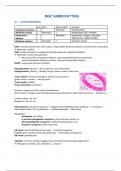
Has an underlying assumption that people are biological machines that are made up of
chemicals and cells which control our thoughts, feeling and behaviour. It also sees us
developing through the processes of evolution.
Key concepts:
Biological machines- to begin with it was suggested that we are made up of 2
principles, a body and a soul. Still today we don’t know what makes the collection of
chemicals and cells in the brain become the reflective, thinking, feeling organism
that is aware of itself and able to act and make choices.
Interpreting data- there is a crazy number of messages sent from the brain making it
very difficult to interpret data and create meaning.
Localisation of function- machines are made up of components which has been
applied to the brain as different parts of the brain have different functions. The big
question is that if we are made up of lots of bits which is the ‘me’ part that operates
them all.
Implications- if we think of people as biological machines then it suggests certain
solutions to everyday problems. The idea that we can regard people as objects
means that people might be treated like objects in everyday life. The hardline
biological approach suggests some brutal solutions to our social problems
Similarities and differences:
Strengths:
Biological research uses specialist scientific equipment than can measure behaviour
precisely and objectively. Casey- used fMRI scanners which is preferrable to making
unfounded, subjective claims about the basis of behaviour
Biological explanations provide a counter argument to the nature nurture debate.
Sperry- provides insight into how our brains are hard-wired.
Weaknesses:
Samples may be small when studying unusual biological conditions. Sperry- only had
11 split brain patients. This challenges validity of conclusions drawn because there
may be unique characteristics of sample used.
It is a reductionist approach because it focuses on biological as the sole explanation
of behaviour. Casey- behaviour can be reduced to differences in brain reactivity
rather than considering other factors that may effect behaviour such as experience
Has an underlying assumption that people are biological machines that are made up of
chemicals and cells which control our thoughts, feeling and behaviour. It also sees us
developing through the processes of evolution.
Key concepts:
Biological machines- to begin with it was suggested that we are made up of 2
principles, a body and a soul. Still today we don’t know what makes the collection of
chemicals and cells in the brain become the reflective, thinking, feeling organism
that is aware of itself and able to act and make choices.
Interpreting data- there is a crazy number of messages sent from the brain making it
very difficult to interpret data and create meaning.
Localisation of function- machines are made up of components which has been
applied to the brain as different parts of the brain have different functions. The big
question is that if we are made up of lots of bits which is the ‘me’ part that operates
them all.
Implications- if we think of people as biological machines then it suggests certain
solutions to everyday problems. The idea that we can regard people as objects
means that people might be treated like objects in everyday life. The hardline
biological approach suggests some brutal solutions to our social problems
Similarities and differences:
Strengths:
Biological research uses specialist scientific equipment than can measure behaviour
precisely and objectively. Casey- used fMRI scanners which is preferrable to making
unfounded, subjective claims about the basis of behaviour
Biological explanations provide a counter argument to the nature nurture debate.
Sperry- provides insight into how our brains are hard-wired.
Weaknesses:
Samples may be small when studying unusual biological conditions. Sperry- only had
11 split brain patients. This challenges validity of conclusions drawn because there
may be unique characteristics of sample used.
It is a reductionist approach because it focuses on biological as the sole explanation
of behaviour. Casey- behaviour can be reduced to differences in brain reactivity
rather than considering other factors that may effect behaviour such as experience