IGCSE Physics\Safety In Electricity\Important Concepts
IGCSE PHYSICS
SAFETY IN ELECTRICITY: IMPORTANT CONCEPTS
DANGERS OF ELECTRICITY
Causes of electrical hazards:
(a) Damaged insulation of electric cables
(b) Overloading of power outlets
(c) Operating electrical appliances under damp conditions
Damaged insulation of electric cables:
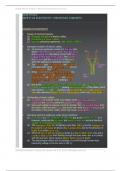
(a) All electrical appliances consist of a live wire that 2-pin plug:
allows high-voltage to be supplied from the mains
and a neutral wire that allows current with low-
voltage to flow back to the mains. The current in
the live wire and the neutral wire is the same
when the appliance is operating normally.
(b) The live wire and the neutral wire are insulated
from each other using vulcanised rubber and are
housed together in a PVC cable.
(c) If the insulation between the live wire and the
neutral wire is damaged, current flows directly
from the live wire to the neutral wire without
going through the appliance, causing a short
circuit.
(d) Due to the very low resistance of the conducting wires, a large amount of
current is drawn into the circuit, causing rapid overheating of the cables, which
may result in sparks or fire. A person who accidentally touches an exposed live
wire may experience electric shock or electrocution, which may cause death.
Overloading of power outlets:
(a) Overloading of a power outlet may happen when too many electrical
appliances are operating using the same power outlet.
(b) Since each appliance requires current to operate, the total current drawn from
the power outlet becomes large, and hence may result in rapid overheating of
the cables in the power outlet, which may cause sparks or fire.
Operating electrical appliances under damp conditions:
(a) Pure water is a poor conductor of electricity due to the absence of ions in it.
However, moistures like tap water and sweat contain ions and are therefore
capable of conducting electricity.
(b) The resistance of dry skin is typically more than 100 k , but the resistance in
the body is much lower at about a few hundred ohms due to the presence of
bodily fluids which carry ions.
(c) When the skin is wet, its resistance drops to a few hundred ohms only and is
unable to stop current from flowing through the body when skin is in contact
with the live wire, hence causing electric shock, injury or death.
(d) The physiological effects due to passage of current through human body
(assuming voltage in the live wire is 240 V):
______________________________________________________________________________
Nakazawa EduServ. Created by Jackson Tik, B.Sc. (NUS). ©All rights reserved.
1
IGCSE PHYSICS
SAFETY IN ELECTRICITY: IMPORTANT CONCEPTS
DANGERS OF ELECTRICITY
Causes of electrical hazards:
(a) Damaged insulation of electric cables
(b) Overloading of power outlets
(c) Operating electrical appliances under damp conditions
Damaged insulation of electric cables:
(a) All electrical appliances consist of a live wire that 2-pin plug:
allows high-voltage to be supplied from the mains
and a neutral wire that allows current with low-
voltage to flow back to the mains. The current in
the live wire and the neutral wire is the same
when the appliance is operating normally.
(b) The live wire and the neutral wire are insulated
from each other using vulcanised rubber and are
housed together in a PVC cable.
(c) If the insulation between the live wire and the
neutral wire is damaged, current flows directly
from the live wire to the neutral wire without
going through the appliance, causing a short
circuit.
(d) Due to the very low resistance of the conducting wires, a large amount of
current is drawn into the circuit, causing rapid overheating of the cables, which
may result in sparks or fire. A person who accidentally touches an exposed live
wire may experience electric shock or electrocution, which may cause death.
Overloading of power outlets:
(a) Overloading of a power outlet may happen when too many electrical
appliances are operating using the same power outlet.
(b) Since each appliance requires current to operate, the total current drawn from
the power outlet becomes large, and hence may result in rapid overheating of
the cables in the power outlet, which may cause sparks or fire.
Operating electrical appliances under damp conditions:
(a) Pure water is a poor conductor of electricity due to the absence of ions in it.
However, moistures like tap water and sweat contain ions and are therefore
capable of conducting electricity.
(b) The resistance of dry skin is typically more than 100 k , but the resistance in
the body is much lower at about a few hundred ohms due to the presence of
bodily fluids which carry ions.
(c) When the skin is wet, its resistance drops to a few hundred ohms only and is
unable to stop current from flowing through the body when skin is in contact
with the live wire, hence causing electric shock, injury or death.
(d) The physiological effects due to passage of current through human body
(assuming voltage in the live wire is 240 V):
______________________________________________________________________________
Nakazawa EduServ. Created by Jackson Tik, B.Sc. (NUS). ©All rights reserved.
1