PRASHANT KIRAD
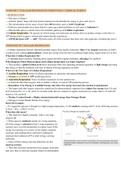
Acids , Bases And Salts Litmus solution is a purple dye from lichen, used as an indicator
Chemical Properties of Acid:
ACID BASES Base with Metal Metal + Base → Salt + Hydrogen Gas
Usually sour in taste. Bitter in taste and soapy to touch. eg; Zn + 2NaOH → Na₂ZnO₂ + H₂ {Hydrogen gas evolved; indicates
Turns blue litmus paper red. Turns red litmus paper blue. a reaction with the base}
Gives hydrogen ions in solution Gives hydroxyl ions in solution Base with Non- Non-Metallic Oxide + Base → Salt + Water
pH < 7 pH > 7 Metal Oxide {Neutralization reaction; forms
e.g. Hydrochloric Acid (HCl), eg. Sodium Hydroxide (NaOH) eg; CO₂ + Ca(OH)₂ → CaCO₃ + H₂O salt and water, indicating acidic
Acetic Acid (CH₃COOH) nature of non-metal oxide}.
ta nt
Impor Base + Acid → Salt + Water NaOH + HCl → NaCl + H₂O
Natural Source Acid Natural Source Acid
Vinegar Acetic acid Sour milk (Curd) Lactic acid Chemical Properties of Acids:
Orange Citric acid Lemon Citric acid Acid with Metal eg: Zn + 2HCl → ZnCl₂ + H₂
Tamarind Tartaric acid Ant sting {Hydrogen gas evolved; bubbles in soap solution ignite with a
Methanoic acid
Oxalic acid Nettle sting popping sound when a burning candle is brought near.}
Tomato Methanoic acid
Metal Carbonate eg: Na₂CO₃ + 2HCl → 2NaCl + CO₂ + H₂O
INDICATORS: A chemical compound that changes its colour in
{Carbon dioxide turns lime water milky, indicating its presence}
presence of an acid or a base.
Metal Hydrogencarbonate eg: NaHCO₃ + HCl → NaCl + CO₂ + H₂O
OLFACTORY: substances whose odour changes in acidic or basic
{Carbon dioxide turns lime water milky, indicating its presence.}
medium are called Olfactory indicators. eg- Vanilla, Onion. clove oil.
base (no smell), acid (smell remains) Metallic Oxide eg: CuO + 2HCl → CuCl₂ + H₂O
{The solution turns blue-green, indicating the formation of
Natural: (found in nature)
copper(II) chloride.}
Indicator Neutral solution Reac. with Acid Reac. with Base Strength of Acids and bases:
Litmus Pale purple (Mauve) Red Blue Strength of Acid and Base can be estimated using universal
Hydrangea Blue Blue pink indicator.
flowers It shows different colours at different concentrations of H+
Turmeric yellow yellow Red ions in the solution.
Synthetic: (from chemical proesses) P(potenz)H: pH is a measure of the concentration of hydrogen
ions in solution. {power of hydrogen}
Indicator Reac. with Acid Reac. with Base pH<7 { Acidic }
Phenolphthalein Colourless pink ph = 7 { neutral }
Methyl Orange Red yellow pH>7 { Basic }
H: strong acid + strong base are neutral (pH 7).
Strong acids release more H⁺ ions, while weak acids release
strong acid + weak base are acidic (pH < 7),
fewer H⁺ ions. The same applies to bases.
strong base + weak acid are basic (pH > 7).
Dilution occurs when an acid or base is mixed with water, reducing
the concentration of H₃O⁺ or OH⁻ ions per unit volume, making the Sodium Chloride (NaCl) HCl + NaOH → NaCl + H₂O (Neutral)
acid or base less concentrated. Found in seawater and Used in food seasoning, raw
rock salt deposits material for chemicals like NaOH,.
diluted acid - small amount of Concentrated acid - large Sodium Hydroxide (NaOH) 2NaCl + 2H₂O → 2NaOH + Cl₂ + H₂
acid (solute) dissolved in a amount of acid dissolved in a (Basic) (Chlor-alkali process)
large amount of water (solvent) small amount of water. Produced by electrolysis of brine
At anode: Cl₂ (uses Water treatment, PVC, disinfectants)
Importance of pH in daily life: At cathode: H₂ gas (uses Fuels, margarine.)
Digestion: The stomach uses hydrochloric acid with a pH of 1 to Near cathode: NaOH solution is formed (Soap, paper,
3 to break down food. textiles.)
Soil: Plants thrive in soil with a pH of 6.3 to 7.3. If soil is too
acidic, adding lime helps; if too basic, gypsum is added.
Tooth Decay: Bacteria in the mouth make it acidic, leading to
tooth decay. Toothpaste, being basic, balances the mouth's pH.
Blood: Blood functions best with a pH between 7.0 to 7.8.
Plants and Animals: They prefer specific pH levels, with most
plants growing best in soil around pH 7.
Bee Stings: Baking soda neutralizes the acidity caused by bee
stings.
Acid Rain: Pollution can cause rain to become acidic, harming fish
and other animals. Sodium Hydrogen
NaCl + H₂O + CO₂ + NH₃ → NH₄Cl + NaHCO₃
Salts Carbonate (NaHCO₃) (Basic)
Used in bakng powder,
alts are ionic compounds composed of positively charged ions
Produced using sodium chloride, antacids, soda-acid fire
(cations) and negatively charged ions (anions), These ions are
water, and carbon dioxide extinguisher.
held together by ionic bond
Acids , Bases And Salts Litmus solution is a purple dye from lichen, used as an indicator
Chemical Properties of Acid:
ACID BASES Base with Metal Metal + Base → Salt + Hydrogen Gas
Usually sour in taste. Bitter in taste and soapy to touch. eg; Zn + 2NaOH → Na₂ZnO₂ + H₂ {Hydrogen gas evolved; indicates
Turns blue litmus paper red. Turns red litmus paper blue. a reaction with the base}
Gives hydrogen ions in solution Gives hydroxyl ions in solution Base with Non- Non-Metallic Oxide + Base → Salt + Water
pH < 7 pH > 7 Metal Oxide {Neutralization reaction; forms
e.g. Hydrochloric Acid (HCl), eg. Sodium Hydroxide (NaOH) eg; CO₂ + Ca(OH)₂ → CaCO₃ + H₂O salt and water, indicating acidic
Acetic Acid (CH₃COOH) nature of non-metal oxide}.
ta nt
Impor Base + Acid → Salt + Water NaOH + HCl → NaCl + H₂O
Natural Source Acid Natural Source Acid
Vinegar Acetic acid Sour milk (Curd) Lactic acid Chemical Properties of Acids:
Orange Citric acid Lemon Citric acid Acid with Metal eg: Zn + 2HCl → ZnCl₂ + H₂
Tamarind Tartaric acid Ant sting {Hydrogen gas evolved; bubbles in soap solution ignite with a
Methanoic acid
Oxalic acid Nettle sting popping sound when a burning candle is brought near.}
Tomato Methanoic acid
Metal Carbonate eg: Na₂CO₃ + 2HCl → 2NaCl + CO₂ + H₂O
INDICATORS: A chemical compound that changes its colour in
{Carbon dioxide turns lime water milky, indicating its presence}
presence of an acid or a base.
Metal Hydrogencarbonate eg: NaHCO₃ + HCl → NaCl + CO₂ + H₂O
OLFACTORY: substances whose odour changes in acidic or basic
{Carbon dioxide turns lime water milky, indicating its presence.}
medium are called Olfactory indicators. eg- Vanilla, Onion. clove oil.
base (no smell), acid (smell remains) Metallic Oxide eg: CuO + 2HCl → CuCl₂ + H₂O
{The solution turns blue-green, indicating the formation of
Natural: (found in nature)
copper(II) chloride.}
Indicator Neutral solution Reac. with Acid Reac. with Base Strength of Acids and bases:
Litmus Pale purple (Mauve) Red Blue Strength of Acid and Base can be estimated using universal
Hydrangea Blue Blue pink indicator.
flowers It shows different colours at different concentrations of H+
Turmeric yellow yellow Red ions in the solution.
Synthetic: (from chemical proesses) P(potenz)H: pH is a measure of the concentration of hydrogen
ions in solution. {power of hydrogen}
Indicator Reac. with Acid Reac. with Base pH<7 { Acidic }
Phenolphthalein Colourless pink ph = 7 { neutral }
Methyl Orange Red yellow pH>7 { Basic }
H: strong acid + strong base are neutral (pH 7).
Strong acids release more H⁺ ions, while weak acids release
strong acid + weak base are acidic (pH < 7),
fewer H⁺ ions. The same applies to bases.
strong base + weak acid are basic (pH > 7).
Dilution occurs when an acid or base is mixed with water, reducing
the concentration of H₃O⁺ or OH⁻ ions per unit volume, making the Sodium Chloride (NaCl) HCl + NaOH → NaCl + H₂O (Neutral)
acid or base less concentrated. Found in seawater and Used in food seasoning, raw
rock salt deposits material for chemicals like NaOH,.
diluted acid - small amount of Concentrated acid - large Sodium Hydroxide (NaOH) 2NaCl + 2H₂O → 2NaOH + Cl₂ + H₂
acid (solute) dissolved in a amount of acid dissolved in a (Basic) (Chlor-alkali process)
large amount of water (solvent) small amount of water. Produced by electrolysis of brine
At anode: Cl₂ (uses Water treatment, PVC, disinfectants)
Importance of pH in daily life: At cathode: H₂ gas (uses Fuels, margarine.)
Digestion: The stomach uses hydrochloric acid with a pH of 1 to Near cathode: NaOH solution is formed (Soap, paper,
3 to break down food. textiles.)
Soil: Plants thrive in soil with a pH of 6.3 to 7.3. If soil is too
acidic, adding lime helps; if too basic, gypsum is added.
Tooth Decay: Bacteria in the mouth make it acidic, leading to
tooth decay. Toothpaste, being basic, balances the mouth's pH.
Blood: Blood functions best with a pH between 7.0 to 7.8.
Plants and Animals: They prefer specific pH levels, with most
plants growing best in soil around pH 7.
Bee Stings: Baking soda neutralizes the acidity caused by bee
stings.
Acid Rain: Pollution can cause rain to become acidic, harming fish
and other animals. Sodium Hydrogen
NaCl + H₂O + CO₂ + NH₃ → NH₄Cl + NaHCO₃
Salts Carbonate (NaHCO₃) (Basic)
Used in bakng powder,
alts are ionic compounds composed of positively charged ions
Produced using sodium chloride, antacids, soda-acid fire
(cations) and negatively charged ions (anions), These ions are
water, and carbon dioxide extinguisher.
held together by ionic bond