A-level Biology
practicals
I N C L U D I N G C O M M O N E X A M
Q U E S T I O N S
, RP1
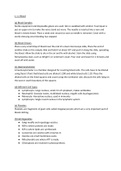
Required practical 1: Investigation into the effect of a named variable on the rate of an enzyme-controlled reaction
*TEMPERATURE*
Trypsin is an enzyme that digests casein (protein found in milk), solution goes clear when trypsin added to dilute milk powder sol.
1. Use a marker to write X on each of 3 test tubes and add 10cm3 milk powder sol. to each
2. Add 2cm3 trypsin sol. to 2cm3 of pH 7 buffer solution in another set of 3 test tubes
3. Stand all 6 test tubes in a water bath (20*) and leave in for 10 minutes
4. Add trypsin + buffer sol from one test tube to the test tube containing milk powder, PUT A BUNG/CORK in the tube and invert about 5x
thoroughly & place all back in the water bath
5. Record time time taken to see the X through the solution (powder sol. has gone clear, so casein hydrolyzed)
6. Repeat at different temperatures (30,40,50,60…etcetera) & record data in a suitable, process data (data obtained through calculations
means, rates. percentages, stat-testing)
7. Finally, draw graph of processed data e.g., rate of hydrolysis against temperature
Note – you could also investigate pH by repeating with different buffer pH solutions mixed with the trypsin, and a water bath of constant te
room temperature
Common questions:
Describe what the scientists should place in the control tubes (when investigating pH effect):
• Same volume of each buffer/pH solutions
• Same concentration of the substrate (casein) AND
• Same concentration of the DENATURED enzyme (trypsin)
Reference: https://media.accesstuition.com/A-Level-Biology/AQA-A-Level-Biology-Required-Practical-1.pdf
practicals
I N C L U D I N G C O M M O N E X A M
Q U E S T I O N S
, RP1
Required practical 1: Investigation into the effect of a named variable on the rate of an enzyme-controlled reaction
*TEMPERATURE*
Trypsin is an enzyme that digests casein (protein found in milk), solution goes clear when trypsin added to dilute milk powder sol.
1. Use a marker to write X on each of 3 test tubes and add 10cm3 milk powder sol. to each
2. Add 2cm3 trypsin sol. to 2cm3 of pH 7 buffer solution in another set of 3 test tubes
3. Stand all 6 test tubes in a water bath (20*) and leave in for 10 minutes
4. Add trypsin + buffer sol from one test tube to the test tube containing milk powder, PUT A BUNG/CORK in the tube and invert about 5x
thoroughly & place all back in the water bath
5. Record time time taken to see the X through the solution (powder sol. has gone clear, so casein hydrolyzed)
6. Repeat at different temperatures (30,40,50,60…etcetera) & record data in a suitable, process data (data obtained through calculations
means, rates. percentages, stat-testing)
7. Finally, draw graph of processed data e.g., rate of hydrolysis against temperature
Note – you could also investigate pH by repeating with different buffer pH solutions mixed with the trypsin, and a water bath of constant te
room temperature
Common questions:
Describe what the scientists should place in the control tubes (when investigating pH effect):
• Same volume of each buffer/pH solutions
• Same concentration of the substrate (casein) AND
• Same concentration of the DENATURED enzyme (trypsin)
Reference: https://media.accesstuition.com/A-Level-Biology/AQA-A-Level-Biology-Required-Practical-1.pdf