
Political Developments 1914-18
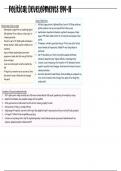
Causes of Easter Rising
1. IRB: Gaelic Legaue positions. Established Military Council in 1915. Blood sacrifice and
Political impact of WWI on Ireland
political symbolism of war was more important that military success.
• Redmond pleas to support the war. Woodenbridge Speech
2. New Nationalism: Seperationist nationalism reignited with reemergence of Gaelic
20th September 1914, as a thank you to Liberal govt. for
Legaue in 1915. Rebels related to historic of Irish martyrdom and examples of blood
introducing Home Rule.
sacrifice
• This led to a split in IVF (160,00 loyalties to Redmond as
3. IPP Weakness: Irish affairs ignored by British govt. IPP lost raison d’etre. Political
National Volunteers, 10,000 loyalties to McNeill as Irish
vacuum. Redmonds self imposed exile, Outdated IPP views. Fading influence in
Volunteers)
Westminster
• Anger as Kitchener launched General recruitment
4. WWI: IPP discredited by war, Threat of conscription weakened constitutional
programme in Ireland, while Ulster men got 36th Ulster
nationalism. Delayed Home Rule. ‘England’s difficulty is Ireland oppurtunity’.
division introduced.
5. Carsonism: Carson introduced gun into Irish politics in 1913. Nationalists forced to
• Carson two ministerial posts in Wartime Coalition May
respond to successful Unionist campaigns. Armed insurrection favoured. Carsonism
1915
radicalised nationalism.
• IPP began to lose momentum as war was drawn out, Home
6. Government: Resentment towards Kitchener, Birrel and Nathan grew complacent over
Rule seemed to remain in Statute Book for prolonged
Crisis, arrest of Casement, article in Sunday Times, capture of Aud, thought they
time period.
avoided conflict.
Significance of Rising and Immediate aftermath:
1. Shift in public opinion: Initally view hostile due to 300 innocent civilians killed and 1,000 injured. Sympathies lay with men fighting in Europe
2. Dubbed Sinn Fein Rebellion, when syampathies changed, Sinn Fein benefitted.
3. British government arrest 2,000 innocent Sinn Fein activists, increasing sympathy for rebels
4. Harsh excecution of rebels e.g. Connolly and Pearse
5. Highly damaged IPP reputation: close links to British govt. Dillon pleaded to Asquith to stop excecution as they were ruining IPP public perception.
6. Lost support of Catholic Church and specifically young clergy
7. Confusion over Lloyd George Talks in May 1916: negotiated seperately. Unionists believed exclusion was permanent, Redmond believed it was
temporary. Weakened reputation of Redmond and IPP.
Causes of Easter Rising
1. IRB: Gaelic Legaue positions. Established Military Council in 1915. Blood sacrifice and
Political impact of WWI on Ireland
political symbolism of war was more important that military success.
• Redmond pleas to support the war. Woodenbridge Speech
2. New Nationalism: Seperationist nationalism reignited with reemergence of Gaelic
20th September 1914, as a thank you to Liberal govt. for
Legaue in 1915. Rebels related to historic of Irish martyrdom and examples of blood
introducing Home Rule.
sacrifice
• This led to a split in IVF (160,00 loyalties to Redmond as
3. IPP Weakness: Irish affairs ignored by British govt. IPP lost raison d’etre. Political
National Volunteers, 10,000 loyalties to McNeill as Irish
vacuum. Redmonds self imposed exile, Outdated IPP views. Fading influence in
Volunteers)
Westminster
• Anger as Kitchener launched General recruitment
4. WWI: IPP discredited by war, Threat of conscription weakened constitutional
programme in Ireland, while Ulster men got 36th Ulster
nationalism. Delayed Home Rule. ‘England’s difficulty is Ireland oppurtunity’.
division introduced.
5. Carsonism: Carson introduced gun into Irish politics in 1913. Nationalists forced to
• Carson two ministerial posts in Wartime Coalition May
respond to successful Unionist campaigns. Armed insurrection favoured. Carsonism
1915
radicalised nationalism.
• IPP began to lose momentum as war was drawn out, Home
6. Government: Resentment towards Kitchener, Birrel and Nathan grew complacent over
Rule seemed to remain in Statute Book for prolonged
Crisis, arrest of Casement, article in Sunday Times, capture of Aud, thought they
time period.
avoided conflict.
Significance of Rising and Immediate aftermath:
1. Shift in public opinion: Initally view hostile due to 300 innocent civilians killed and 1,000 injured. Sympathies lay with men fighting in Europe
2. Dubbed Sinn Fein Rebellion, when syampathies changed, Sinn Fein benefitted.
3. British government arrest 2,000 innocent Sinn Fein activists, increasing sympathy for rebels
4. Harsh excecution of rebels e.g. Connolly and Pearse
5. Highly damaged IPP reputation: close links to British govt. Dillon pleaded to Asquith to stop excecution as they were ruining IPP public perception.
6. Lost support of Catholic Church and specifically young clergy
7. Confusion over Lloyd George Talks in May 1916: negotiated seperately. Unionists believed exclusion was permanent, Redmond believed it was
temporary. Weakened reputation of Redmond and IPP.


