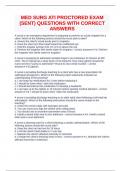
Test Bank For Pathophysiology 7th Edition
ol ol ol ol ol
by Jacquelyn L. Banasik Chapter 1
ol ol ol ol ol
-54|Complete Guide 2022 ol ol
written by ol
solutions
www.stuvia.com
Downloaded by: melaniemora1994 |
ol ol ol ol Want to earn
ol ol
, Stuvia.com - The Marketplace to Buy and Sell your Study Material
ol ol ol ol ol ol ol ol ol ol
Chapter 01: Introduction to Pathophysiology Banas
ol ol ol ol ol
ik: Pathophysiology, 7th Edition
ol ol ol
MULTIPLE CHOICE o l
1. C.Q. was recently exposed to group A hemolytic Streptococcus and subsequently developed a ph
ol ol ol ol ol ol ol ol ol ol ol ol o l
aryngeal infection. His clinic examination reveals an oral temperature of 102.3°F, skin rash, dysp
ol ol ol ol ol ol ol ol ol ol ol ol o l
hagia, and reddened throat mucosa with multiple pustules. He complains of sore throat, malaise, a
ol ol ol ol ol ol ol ol ol ol ol ol o l ol
nd joint stiffness. A throat culture is positive for Streptococcus, and antibiotics have been prescrib
ol ol ol ol ol ol ol ol ol ol ol ol o l ol
ed. The etiology of C.Q.’s disease is
ol ol ol ol ol ol
a. a sore throat. ol ol
b. streptococcal infection. ol
c. genetic susceptibility. ol
d. pharyngitis.
ANS: B o l
Etiology refers to the proposed cause or causes of a particular disease process. A sore throat is t
ol ol ol ol ol ol ol ol ol ol ol ol ol ol ol ol o l
he manifestation of the disease process. Genetic susceptibility refers to inherited tendency to de
ol ol ol ol ol ol ol ol ol ol ol ol o l
velop a disease. Pharyngitis refers to inflammation of the throat and is also a clinical manifestati
ol ol ol ol ol ol ol ol ol ol ol ol ol ol ol
on of the disease process.
ol ol ol ol
2. A 17-year-old college-
ol ol
bound student receives a vaccine against an organism that causes meningitis. This is an exa
ol ol ol ol ol ol ol ol ol ol ol ol ol ol
mple of ol
a. primary prevention. ol
b. secondary prevention. ol
c. tertiary prevention. ol
d. disease treatment. ol
ANS: A o l
Primary prevention is prevention of disease by altering susceptibility or reducing exposure for s
ol ol ol ol ol ol ol ol ol ol ol ol o l
usceptible individuals, in this case by providing vaccination. Secondary prevention is th
o l o l o l o l o l o l o l o l o l o l o l
e early detection, screening, and management of the disease. Tertiary prevention includes rehabi
ol ol ol ol ol ol ol ol ol ol ol ol
litative and supportive care and attempts to alleviate disability and restore effective functioning.
ol ol ol ol ol ol ol ol ol ol ol ol o
lDisease treatment involves management of the disease once it has developed.
o l o l o l o l o l o l o l o l o l o l
3. An obese but otherwise healthy teen is given a prescription for a low-
ol ol ol ol ol ol ol ol ol ol ol ol
calorie diet and exercise program. This is an example of
ol ol ol o l ol ol ol ol ol
a. primary prevention. ol
b. secondary prevention. ol
c. tertiary prevention. ol
d. disease treatment. ol
ANS: B o l
Secondary prevention is the early detection, screening, and management of the disease such as
ol ol ol ol ol ol ol ol ol ol ol ol ol o l
prescribing diet and exercise for an individual who has already developed obesity. Primary prev
ol ol ol ol ol ol ol ol ol ol ol ol o l
ention is prevention of disease by altering susceptibility or reducing exposure for susceptible in
ol ol ol ol ol ol ol ol ol ol ol o l ol
dividuals. Tertiary prevention includes rehabilitative and supportive care and attempts to allevi
ol ol ol ol ol ol ol ol o l ol ol
ate disability and restore effective functioning. Disease treatment involves management of the di
ol ol ol ol ol ol ol ol ol ol ol ol
sease once it has developed. ol ol ol ol
Downloaded by: melaniemora1994 | ol ol ol ol Want to earn ol ol
, Stuvia.com - The Marketplace to Buy and Sell your Study Material ol ol ol ol ol ol ol ol ol ol
4. A patient with high blood pressure who is otherwise healthy is counseled to restrict sodium int
ol ol ol ol ol ol ol ol ol ol ol ol ol ol o l
ake. This is an example of ol ol ol ol ol
a. primary prevention. ol
b. secondary prevention. ol
c. tertiary prevention. ol
d. disease treatment. ol
ANS: B o l
Secondary prevention is the early detection, screening, and management of the disease, su
o l o l o l o l o l o l o l o l o l o l o l o l
ch as by prescribing sodium restriction for high blood pressure. Primary prevention is prevention
ol ol ol ol ol ol ol ol ol ol ol ol ol o
of disease by altering susceptibility or reducing exposure for susceptible individuals. Tertiary pr
l ol ol ol ol ol ol ol ol ol ol ol o l
evention includes rehabilitative and supportive care and attempts to alleviate disability and restor
ol ol ol ol ol ol ol ol ol ol ol o l
e effective functioning. Disease treatment involves management of the disease once it has
o l o l o l o l o l o l o l o l o l o l o l ol ol
developed.
5. After suffering a heart attack, a middle-aged man is counseled to take a cholesterol-
ol ol ol ol ol ol ol ol ol ol ol ol ol
lowering medication. This is an example of o l ol ol ol ol ol
a. primary prevention. ol
b. secondary prevention. ol
c. tertiary prevention. ol
d. disease treatment. ol
ANS: C o l
Tertiary prevention includes rehabilitative and supportive care and attempts to alleviate disabilit
ol ol ol ol ol ol ol ol ol ol ol
y and restore effective functioning such as prescribing a cholesterol-
ol ol ol ol ol ol ol ol ol
lowering medication following a heart attack. Primary prevention is prevention of disease by alt
ol ol ol ol ol ol ol ol ol ol ol ol ol
ering susceptibility or reducing exposure for susceptible individuals. Secondary prevention is t
o l ol ol ol ol ol ol ol ol ol ol
he early detection, screening, and management of the disease. Disease treatment involves mana
o l ol ol ol ol ol ol ol ol ol ol ol
gement of the disease once it has developed. ol ol ol ol ol ol ol
6. A patient has been exposed to meningococcal meningitis, but is not yet demonstrating signs of thi
ol ol ol ol ol ol ol ol ol ol ol ol ol ol o l
s disease. This stage of illness is called the
ol ol ol ol ol ol ol ol ol ol stage.
a. prodromal
b. latent
c. sequela
d. convalescence
ANS: B o l
Incubation refers to the interval between exposure of a tissue to an injurious agent and the first a
ol ol ol ol ol ol ol ol ol ol ol ol ol ol ol ol o l
ppearance of signs and symptoms. In infectious diseases, this period is often called the incubatio
ol ol ol ol ol ol ol ol ol ol ol ol ol ol
n (latent) period. Prodromal refers to the appearance of the first signs and symptoms indicating t
ol ol ol ol ol ol ol ol ol ol ol ol ol o l ol
he onset of a disease. These are often nonspecific, such as headache, malaise, anorexia, and naus
ol ol ol ol ol ol ol ol ol ol ol ol ol ol ol
ea, which are associated with a number of different diseases. Sequela refers to subsequent path
ol ol ol ol ol ol ol ol ol ol ol o l ol ol
ologic condition resulting from a disease. Convalescence is the stage of recovery after a disease
ol ol ol ol ol ol ol ol ol ol o l ol ol ol
, injury, or surgical operation.
ol ol ol ol
7. A disease that is native to a particular region is called
ol ol ol ol ol ol ol ol ol ol
a. epidemic.
b. endemic.
c. pandemic.
d. ethnographic.
Downloaded by: melaniemora1994 | ol ol ol ol Want to earn ol ol
, Stuvia.com - The Marketplace to Buy and Sell your Study Material
ol ol ol ol ol ol ol ol ol ol
ANS: B o l
A disease that is native to a particular region is called endemic. An epidemic is a disease that spr
ol ol ol ol ol ol ol ol ol ol ol ol ol ol ol ol ol o l
eads to many individuals at the same time. Pandemics are epidemics that affect large geographic
ol ol ol ol ol ol ol ol ol ol ol ol ol ol ol
regions, perhaps spreading worldwide. Ethnographic does not describe a disease distribution pa
ol ol ol ol ol ol ol ol ol o l ol
ttern.
8. In ol general, with aging, organ size and function ol ol ol ol ol ol
a. increase.
b. decrease.
c. remain the same. ol ol
d. are unknown. ol
ANS: B o l
In general, with aging, organ size and function decrease.
ol ol ol ol ol ol ol ol
9. The stage during which the patient functions normally, although the disease processes are well est
ol ol ol ol ol ol ol ol ol ol ol ol ol o l
ablished, is referred to as ol ol ol ol
a. latent.
b. subclinical.
c. prodromal.
d. convalescence.
ANS: B o l
The stage during which the patient functions normally, although the disease processes are well est
ol ol ol ol ol ol ol ol ol ol ol ol ol o l
ablished, is called the subclinical stage. The interval between exposure of a tissue to an injurious
ol ol ol ol ol ol ol ol ol ol ol ol ol ol o l o l
agent and the first appearance of signs and symptoms may be called a latent period or, in t
o l o l o l o l ol o l o l o l o l o l o l ol o l o l ol o l o l
he case of infectious diseases, an incubation period. The prodromal period, or prodrome, ref
o l o l o l o l o l o l o l o l o l o l o l ol ol
ers to the appearance of the first signs and symptoms indicating the onset of a disease. Convalesce
ol ol ol ol ol ol ol ol ol ol ol ol ol ol ol o l
nce is the stage of recovery after a disease, injury, or surgical operation.
o l o l o l o l o l ol o l o l o l o l o l o l
MULTIPLE RESPONSE o l
1. Your patient’s red blood cell count is slightly elevated today. This might be explained by
ol ol ol ol ol ol ol ol ol ol ol ol ol ol
(Select all that apply.) ol ol ol
a. gender difference. ol
b. situational factors. ol
c. normal variation. ol
d. cultural variation. ol
e. illness.
ANS: A, B, C, E o l ol ol ol
Gender, situations (e.g., altitude), normal variations, and illness may all determine red blood cell
ol ol ol ol ol ol ol ol ol ol ol ol ol
count. Culture affects how manifestations are perceived (normal versus abnormal).
o l o l ol o l o l o l o l o l o l o l
2. Socioeconomic factors influence disease development because of (Select all that apply.) ol ol ol ol ol ol ol ol ol ol
a. genetics.
b. environmental toxins. o l
c. overcrowding.
d. nutrition.
e. hygiene.
Downloaded by: melaniemora1994 |
ol ol ol ol Want to earn ol ol
ol ol ol ol ol
by Jacquelyn L. Banasik Chapter 1
ol ol ol ol ol
-54|Complete Guide 2022 ol ol
written by ol
solutions
www.stuvia.com
Downloaded by: melaniemora1994 |
ol ol ol ol Want to earn
ol ol
, Stuvia.com - The Marketplace to Buy and Sell your Study Material
ol ol ol ol ol ol ol ol ol ol
Chapter 01: Introduction to Pathophysiology Banas
ol ol ol ol ol
ik: Pathophysiology, 7th Edition
ol ol ol
MULTIPLE CHOICE o l
1. C.Q. was recently exposed to group A hemolytic Streptococcus and subsequently developed a ph
ol ol ol ol ol ol ol ol ol ol ol ol o l
aryngeal infection. His clinic examination reveals an oral temperature of 102.3°F, skin rash, dysp
ol ol ol ol ol ol ol ol ol ol ol ol o l
hagia, and reddened throat mucosa with multiple pustules. He complains of sore throat, malaise, a
ol ol ol ol ol ol ol ol ol ol ol ol o l ol
nd joint stiffness. A throat culture is positive for Streptococcus, and antibiotics have been prescrib
ol ol ol ol ol ol ol ol ol ol ol ol o l ol
ed. The etiology of C.Q.’s disease is
ol ol ol ol ol ol
a. a sore throat. ol ol
b. streptococcal infection. ol
c. genetic susceptibility. ol
d. pharyngitis.
ANS: B o l
Etiology refers to the proposed cause or causes of a particular disease process. A sore throat is t
ol ol ol ol ol ol ol ol ol ol ol ol ol ol ol ol o l
he manifestation of the disease process. Genetic susceptibility refers to inherited tendency to de
ol ol ol ol ol ol ol ol ol ol ol ol o l
velop a disease. Pharyngitis refers to inflammation of the throat and is also a clinical manifestati
ol ol ol ol ol ol ol ol ol ol ol ol ol ol ol
on of the disease process.
ol ol ol ol
2. A 17-year-old college-
ol ol
bound student receives a vaccine against an organism that causes meningitis. This is an exa
ol ol ol ol ol ol ol ol ol ol ol ol ol ol
mple of ol
a. primary prevention. ol
b. secondary prevention. ol
c. tertiary prevention. ol
d. disease treatment. ol
ANS: A o l
Primary prevention is prevention of disease by altering susceptibility or reducing exposure for s
ol ol ol ol ol ol ol ol ol ol ol ol o l
usceptible individuals, in this case by providing vaccination. Secondary prevention is th
o l o l o l o l o l o l o l o l o l o l o l
e early detection, screening, and management of the disease. Tertiary prevention includes rehabi
ol ol ol ol ol ol ol ol ol ol ol ol
litative and supportive care and attempts to alleviate disability and restore effective functioning.
ol ol ol ol ol ol ol ol ol ol ol ol o
lDisease treatment involves management of the disease once it has developed.
o l o l o l o l o l o l o l o l o l o l
3. An obese but otherwise healthy teen is given a prescription for a low-
ol ol ol ol ol ol ol ol ol ol ol ol
calorie diet and exercise program. This is an example of
ol ol ol o l ol ol ol ol ol
a. primary prevention. ol
b. secondary prevention. ol
c. tertiary prevention. ol
d. disease treatment. ol
ANS: B o l
Secondary prevention is the early detection, screening, and management of the disease such as
ol ol ol ol ol ol ol ol ol ol ol ol ol o l
prescribing diet and exercise for an individual who has already developed obesity. Primary prev
ol ol ol ol ol ol ol ol ol ol ol ol o l
ention is prevention of disease by altering susceptibility or reducing exposure for susceptible in
ol ol ol ol ol ol ol ol ol ol ol o l ol
dividuals. Tertiary prevention includes rehabilitative and supportive care and attempts to allevi
ol ol ol ol ol ol ol ol o l ol ol
ate disability and restore effective functioning. Disease treatment involves management of the di
ol ol ol ol ol ol ol ol ol ol ol ol
sease once it has developed. ol ol ol ol
Downloaded by: melaniemora1994 | ol ol ol ol Want to earn ol ol
, Stuvia.com - The Marketplace to Buy and Sell your Study Material ol ol ol ol ol ol ol ol ol ol
4. A patient with high blood pressure who is otherwise healthy is counseled to restrict sodium int
ol ol ol ol ol ol ol ol ol ol ol ol ol ol o l
ake. This is an example of ol ol ol ol ol
a. primary prevention. ol
b. secondary prevention. ol
c. tertiary prevention. ol
d. disease treatment. ol
ANS: B o l
Secondary prevention is the early detection, screening, and management of the disease, su
o l o l o l o l o l o l o l o l o l o l o l o l
ch as by prescribing sodium restriction for high blood pressure. Primary prevention is prevention
ol ol ol ol ol ol ol ol ol ol ol ol ol o
of disease by altering susceptibility or reducing exposure for susceptible individuals. Tertiary pr
l ol ol ol ol ol ol ol ol ol ol ol o l
evention includes rehabilitative and supportive care and attempts to alleviate disability and restor
ol ol ol ol ol ol ol ol ol ol ol o l
e effective functioning. Disease treatment involves management of the disease once it has
o l o l o l o l o l o l o l o l o l o l o l ol ol
developed.
5. After suffering a heart attack, a middle-aged man is counseled to take a cholesterol-
ol ol ol ol ol ol ol ol ol ol ol ol ol
lowering medication. This is an example of o l ol ol ol ol ol
a. primary prevention. ol
b. secondary prevention. ol
c. tertiary prevention. ol
d. disease treatment. ol
ANS: C o l
Tertiary prevention includes rehabilitative and supportive care and attempts to alleviate disabilit
ol ol ol ol ol ol ol ol ol ol ol
y and restore effective functioning such as prescribing a cholesterol-
ol ol ol ol ol ol ol ol ol
lowering medication following a heart attack. Primary prevention is prevention of disease by alt
ol ol ol ol ol ol ol ol ol ol ol ol ol
ering susceptibility or reducing exposure for susceptible individuals. Secondary prevention is t
o l ol ol ol ol ol ol ol ol ol ol
he early detection, screening, and management of the disease. Disease treatment involves mana
o l ol ol ol ol ol ol ol ol ol ol ol
gement of the disease once it has developed. ol ol ol ol ol ol ol
6. A patient has been exposed to meningococcal meningitis, but is not yet demonstrating signs of thi
ol ol ol ol ol ol ol ol ol ol ol ol ol ol o l
s disease. This stage of illness is called the
ol ol ol ol ol ol ol ol ol ol stage.
a. prodromal
b. latent
c. sequela
d. convalescence
ANS: B o l
Incubation refers to the interval between exposure of a tissue to an injurious agent and the first a
ol ol ol ol ol ol ol ol ol ol ol ol ol ol ol ol o l
ppearance of signs and symptoms. In infectious diseases, this period is often called the incubatio
ol ol ol ol ol ol ol ol ol ol ol ol ol ol
n (latent) period. Prodromal refers to the appearance of the first signs and symptoms indicating t
ol ol ol ol ol ol ol ol ol ol ol ol ol o l ol
he onset of a disease. These are often nonspecific, such as headache, malaise, anorexia, and naus
ol ol ol ol ol ol ol ol ol ol ol ol ol ol ol
ea, which are associated with a number of different diseases. Sequela refers to subsequent path
ol ol ol ol ol ol ol ol ol ol ol o l ol ol
ologic condition resulting from a disease. Convalescence is the stage of recovery after a disease
ol ol ol ol ol ol ol ol ol ol o l ol ol ol
, injury, or surgical operation.
ol ol ol ol
7. A disease that is native to a particular region is called
ol ol ol ol ol ol ol ol ol ol
a. epidemic.
b. endemic.
c. pandemic.
d. ethnographic.
Downloaded by: melaniemora1994 | ol ol ol ol Want to earn ol ol
, Stuvia.com - The Marketplace to Buy and Sell your Study Material
ol ol ol ol ol ol ol ol ol ol
ANS: B o l
A disease that is native to a particular region is called endemic. An epidemic is a disease that spr
ol ol ol ol ol ol ol ol ol ol ol ol ol ol ol ol ol o l
eads to many individuals at the same time. Pandemics are epidemics that affect large geographic
ol ol ol ol ol ol ol ol ol ol ol ol ol ol ol
regions, perhaps spreading worldwide. Ethnographic does not describe a disease distribution pa
ol ol ol ol ol ol ol ol ol o l ol
ttern.
8. In ol general, with aging, organ size and function ol ol ol ol ol ol
a. increase.
b. decrease.
c. remain the same. ol ol
d. are unknown. ol
ANS: B o l
In general, with aging, organ size and function decrease.
ol ol ol ol ol ol ol ol
9. The stage during which the patient functions normally, although the disease processes are well est
ol ol ol ol ol ol ol ol ol ol ol ol ol o l
ablished, is referred to as ol ol ol ol
a. latent.
b. subclinical.
c. prodromal.
d. convalescence.
ANS: B o l
The stage during which the patient functions normally, although the disease processes are well est
ol ol ol ol ol ol ol ol ol ol ol ol ol o l
ablished, is called the subclinical stage. The interval between exposure of a tissue to an injurious
ol ol ol ol ol ol ol ol ol ol ol ol ol ol o l o l
agent and the first appearance of signs and symptoms may be called a latent period or, in t
o l o l o l o l ol o l o l o l o l o l o l ol o l o l ol o l o l
he case of infectious diseases, an incubation period. The prodromal period, or prodrome, ref
o l o l o l o l o l o l o l o l o l o l o l ol ol
ers to the appearance of the first signs and symptoms indicating the onset of a disease. Convalesce
ol ol ol ol ol ol ol ol ol ol ol ol ol ol ol o l
nce is the stage of recovery after a disease, injury, or surgical operation.
o l o l o l o l o l ol o l o l o l o l o l o l
MULTIPLE RESPONSE o l
1. Your patient’s red blood cell count is slightly elevated today. This might be explained by
ol ol ol ol ol ol ol ol ol ol ol ol ol ol
(Select all that apply.) ol ol ol
a. gender difference. ol
b. situational factors. ol
c. normal variation. ol
d. cultural variation. ol
e. illness.
ANS: A, B, C, E o l ol ol ol
Gender, situations (e.g., altitude), normal variations, and illness may all determine red blood cell
ol ol ol ol ol ol ol ol ol ol ol ol ol
count. Culture affects how manifestations are perceived (normal versus abnormal).
o l o l ol o l o l o l o l o l o l o l
2. Socioeconomic factors influence disease development because of (Select all that apply.) ol ol ol ol ol ol ol ol ol ol
a. genetics.
b. environmental toxins. o l
c. overcrowding.
d. nutrition.
e. hygiene.
Downloaded by: melaniemora1994 |
ol ol ol ol Want to earn ol ol