
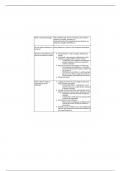
What is social psychology? The scientific study of how we influence one another’s
behaviors, thoughts, attitudes, etc.
Particular focus is how situational forces influence our
behaviors, thoughts, attitudes, etc.
How do others influence our Social influences, conform, and compliance techniques
behavior?
What are social influences an ● Social influence = real or imagine, influence by
why do we conform to them? society
● Conformity = peer pressure, adolescents, social
influences, negative effect, western culture
○ “conformity” has a negative connotations in
western cultures, but some is needed for
society to function
● Why do we conform? (Two types of conformity)
○ Informational social influence = choosing
answer based on other’s opinion, unsure wh
the answer is
○ Normative social influence = getting people
like you/ even 100% you agree to others to n
feel an outsider/ gain approval from others
● Situational factors
What is Sherif’s study on ● Judging movement of point of light in dark room,
informational social alone and then with others
influence? ○ Auto-kinetic effect = visual illusion, visual
system tricks you, no right answer, impossib
to answer correctly
● Average individual estimates varied greatly during 1
session, but when others present. Estimates conve
○ Retested a year later and still using group
estimate
○ Conforming to what other are saying, lookin
at others for information
● Informational social influence
○ When a task is ambiguous or different and w
want to be correct, we look for others for
information
● Depends on our confidence in our own judgements
and how well informed we think that the others are
who may influence us
, Lie to participants, deceive them to gain natural respon
What is Asch’s study on ● Easy line - length judgments, with obvious correct
normative social influence? answer, made alone and then with others
(confederates)
● When making judgements alone, almost no errors
● ~75% of participants gave obviously wrong answer
least once, and overall, conformity occurred 37% of
the time
● Normative social influence
○ Wanting to gain approval, or avoid disapprov
Different motivations
Small groups, 1 real participant, others are not
What are the effects of ● If group is unanimous
situational factors on ○ More likely to do want others do
conformity? ● Mode of responding
○ Mean many things
● Status of group members
○ Higher - more likely to do than those of a
lower status
Conformity is reduced if it’s a secret or private ballot to
situation
Why do we comply? Compliance techniques, and personality assessment
What are the compliance ● Foot-in-the-door
techniques? ○ Compliance to large request gained by start
with very small request that almost anyone
would agree
○ Freedman and Fraser (1996) study with larg
sign
■ Little sign. Bigger sign
○ Desire to appear consistent
● Door-in-the-face
○ Opposite of the foot-in-the-door
○ Compliance is gained by starting with large
unreasonable request that is refused, and th
following it with a more reasonable smaller
request (which is what was actually the goa
○ Desire to maintain reciprocity
● Low - ball
behaviors, thoughts, attitudes, etc.
Particular focus is how situational forces influence our
behaviors, thoughts, attitudes, etc.
How do others influence our Social influences, conform, and compliance techniques
behavior?
What are social influences an ● Social influence = real or imagine, influence by
why do we conform to them? society
● Conformity = peer pressure, adolescents, social
influences, negative effect, western culture
○ “conformity” has a negative connotations in
western cultures, but some is needed for
society to function
● Why do we conform? (Two types of conformity)
○ Informational social influence = choosing
answer based on other’s opinion, unsure wh
the answer is
○ Normative social influence = getting people
like you/ even 100% you agree to others to n
feel an outsider/ gain approval from others
● Situational factors
What is Sherif’s study on ● Judging movement of point of light in dark room,
informational social alone and then with others
influence? ○ Auto-kinetic effect = visual illusion, visual
system tricks you, no right answer, impossib
to answer correctly
● Average individual estimates varied greatly during 1
session, but when others present. Estimates conve
○ Retested a year later and still using group
estimate
○ Conforming to what other are saying, lookin
at others for information
● Informational social influence
○ When a task is ambiguous or different and w
want to be correct, we look for others for
information
● Depends on our confidence in our own judgements
and how well informed we think that the others are
who may influence us
, Lie to participants, deceive them to gain natural respon
What is Asch’s study on ● Easy line - length judgments, with obvious correct
normative social influence? answer, made alone and then with others
(confederates)
● When making judgements alone, almost no errors
● ~75% of participants gave obviously wrong answer
least once, and overall, conformity occurred 37% of
the time
● Normative social influence
○ Wanting to gain approval, or avoid disapprov
Different motivations
Small groups, 1 real participant, others are not
What are the effects of ● If group is unanimous
situational factors on ○ More likely to do want others do
conformity? ● Mode of responding
○ Mean many things
● Status of group members
○ Higher - more likely to do than those of a
lower status
Conformity is reduced if it’s a secret or private ballot to
situation
Why do we comply? Compliance techniques, and personality assessment
What are the compliance ● Foot-in-the-door
techniques? ○ Compliance to large request gained by start
with very small request that almost anyone
would agree
○ Freedman and Fraser (1996) study with larg
sign
■ Little sign. Bigger sign
○ Desire to appear consistent
● Door-in-the-face
○ Opposite of the foot-in-the-door
○ Compliance is gained by starting with large
unreasonable request that is refused, and th
following it with a more reasonable smaller
request (which is what was actually the goa
○ Desire to maintain reciprocity
● Low - ball


