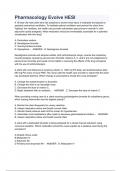
COMPREHENSIVE EXAM AND ANSWERS
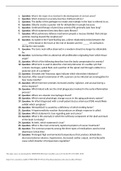
1. Question
Category: Physiological Adaptation
When giving intravenous (I.V.) phenytoin, which of the following methods should you use?
A. Use an in-line filter.
B. Withhold other anticonvulsants.
C. Mix the drug with saline solution only.
D. Flush the I.V. catheter with dextrose solution.
2. Question
Category: Physiological Adaptation
After surgical repair of a hip, which of the following positions is best for the patient’s legs and hips?
A. Abduction
B. Adduction
C. Prone
D. Subluxated
3. Question
Category: Physiological Adaptation
Which of the following factors should be the primary focus of nursing management in a patient with
acute pancreatitis?
A. Nutrition management
B. Fluid and electrolyte balance
C. Management of hypoglycemia
D. Pain control
4. Question
, Category: Reduction of Risk Potential
After a liver biopsy, place the patient in which of the following positions?
A. Left side-lying, with the bed flat
B. Right side-lying, with the bed flat
C. Left side-lying, with the bed in semi-Fowler’s position
D. Right side-lying, with the bed in semi-Fowler’s position
5. Question
Category: Reduction of Risk Potential
Which of the following potentially serious complications could occur with therapy for
hypothyroidism?
A. Acute hemolytic reaction
B. Angina or cardiac arrhythmia
C. Retinopathy
D. Thrombocytopenia
6. Question
Category: Physiological Adaptation
Adequate fluid replacement and vasopressin replacement are objectives of therapy for which of the
following disease processes? Adequate fluid replacement and vasopressin replacement are
objectives of therapy for which of the following disease processes?
A. Diabetes mellitus
B. Diabetes insipidus
C. Diabetic ketoacidosis
D. Syndrome of inappropriate antidiuretic hormone secretion (SIADH)
7. Question
Category: Physiological Adaptation
Patients with Type 1 diabetes mellitus may require which of the following changes to their daily
routine during periods of infection?
1. Question
Category: Physiological Adaptation
When giving intravenous (I.V.) phenytoin, which of the following methods should you use?
A. Use an in-line filter.
B. Withhold other anticonvulsants.
C. Mix the drug with saline solution only.
D. Flush the I.V. catheter with dextrose solution.
2. Question
Category: Physiological Adaptation
After surgical repair of a hip, which of the following positions is best for the patient’s legs and hips?
A. Abduction
B. Adduction
C. Prone
D. Subluxated
3. Question
Category: Physiological Adaptation
Which of the following factors should be the primary focus of nursing management in a patient with
acute pancreatitis?
A. Nutrition management
B. Fluid and electrolyte balance
C. Management of hypoglycemia
D. Pain control
4. Question
, Category: Reduction of Risk Potential
After a liver biopsy, place the patient in which of the following positions?
A. Left side-lying, with the bed flat
B. Right side-lying, with the bed flat
C. Left side-lying, with the bed in semi-Fowler’s position
D. Right side-lying, with the bed in semi-Fowler’s position
5. Question
Category: Reduction of Risk Potential
Which of the following potentially serious complications could occur with therapy for
hypothyroidism?
A. Acute hemolytic reaction
B. Angina or cardiac arrhythmia
C. Retinopathy
D. Thrombocytopenia
6. Question
Category: Physiological Adaptation
Adequate fluid replacement and vasopressin replacement are objectives of therapy for which of the
following disease processes? Adequate fluid replacement and vasopressin replacement are
objectives of therapy for which of the following disease processes?
A. Diabetes mellitus
B. Diabetes insipidus
C. Diabetic ketoacidosis
D. Syndrome of inappropriate antidiuretic hormone secretion (SIADH)
7. Question
Category: Physiological Adaptation
Patients with Type 1 diabetes mellitus may require which of the following changes to their daily
routine during periods of infection?