Scientism
The word 'scientific' has acquired a peculiar cachet in modern times. Scientific conduct is
rational and praiseworthy; unscientific conduct is irrational and worthy of contempt. Scientists
are treated as experts, their opinions regularly sought on matters of social importance.
Occasional mistakes of scientists tend to not shake the public faith in science, nor the esteem in
which scientists are held. In many countries, scientists are viewed much as religious leaders
used to be: possessors of specialized knowledge that is inaccessible to the laity.
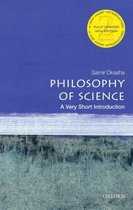
'Scientism' is a pejorative term used by some philosophers to describe what they see as science
worship. Opponents of scientism argue that science is not the only valid form of intellectual
endeavour, and not the only way of understanding the world. They are not anti-science per se;
but they do oppose the assumption that scientific methods are necessarily applicable to every
subject matter. Philosophy asks questions about the nature of knowledge, morality and human
well-being, which do not seem soluble by scientific methods. In the light of this, it may seem
surprising that some philosophers insist that science is the only legitimate path to knowledge.
Questions that cannot be resolved by scientific means are not genuine questions at all
(Russell). The grounds of view lie in a doctrine called 'naturalism', which stresses that we
human beings are part and parcel of the natural world, not something apart from it, as was once
believed. Since science studies the whole of the natural world, surely it should be capable of
revealing the complete truth.
Many philosophers reject this subordination of their discipline to science. They argue that
philosophical enquiry has its own proprietary methods, which can reveal truths of a sort that
science cannot. Proponents allow that philosophy should aim to be consistent with science, in
the sense of not advancing claims which conflict with what science teaches us. Methods of
philosophical enquiry include logical reasoning, the use of thought experiments and conceptual
analysis, which tries to delimit a particular concept by relying on our intuitions about whether a
particular case falls under it. By using conceptual analysis, we can establish that knowledge and
true belief are not identical - which is a substantive philosophical truth.
How should this debate be assessed? On one hand, there are examples of philosophical
questions which appear to be genuine, to lie outside the provenance of any science, and to be
answered by the distinctive methods of philosophers. However, against this, many of the
questions about perception, imagination, and memory, have turned out to be matters for the
empirical sciences, in particular psychology.
An analogous issue concerns the relation between the natural and social sciences. It is often felt
that natural sciences are in a more advanced state than social sciences. Why should this be so?
One possible answer is that the methods of the natural sciences are superior. The increasing
use of mathematics in the social sciences may be partly the result of the catching up of the
social sciences. However, some social scientists resist the suggestion that they should look up
natural sciences, in this way, arguing that the methods of natural sciences are not necessarily
appropriate for studying social phenomena. Wilhelm Deilthey and Max Weber, sociologists,
argued that social phenomena must be understood from the viewpoint of the actors responsible
for them. What distinguishes a social from a natural phenomena is that the former are the result
of intentional action of humans. Thus a special type of understanding, verstehen, is needed for
The word 'scientific' has acquired a peculiar cachet in modern times. Scientific conduct is
rational and praiseworthy; unscientific conduct is irrational and worthy of contempt. Scientists
are treated as experts, their opinions regularly sought on matters of social importance.
Occasional mistakes of scientists tend to not shake the public faith in science, nor the esteem in
which scientists are held. In many countries, scientists are viewed much as religious leaders
used to be: possessors of specialized knowledge that is inaccessible to the laity.
'Scientism' is a pejorative term used by some philosophers to describe what they see as science
worship. Opponents of scientism argue that science is not the only valid form of intellectual
endeavour, and not the only way of understanding the world. They are not anti-science per se;
but they do oppose the assumption that scientific methods are necessarily applicable to every
subject matter. Philosophy asks questions about the nature of knowledge, morality and human
well-being, which do not seem soluble by scientific methods. In the light of this, it may seem
surprising that some philosophers insist that science is the only legitimate path to knowledge.
Questions that cannot be resolved by scientific means are not genuine questions at all
(Russell). The grounds of view lie in a doctrine called 'naturalism', which stresses that we
human beings are part and parcel of the natural world, not something apart from it, as was once
believed. Since science studies the whole of the natural world, surely it should be capable of
revealing the complete truth.
Many philosophers reject this subordination of their discipline to science. They argue that
philosophical enquiry has its own proprietary methods, which can reveal truths of a sort that
science cannot. Proponents allow that philosophy should aim to be consistent with science, in
the sense of not advancing claims which conflict with what science teaches us. Methods of
philosophical enquiry include logical reasoning, the use of thought experiments and conceptual
analysis, which tries to delimit a particular concept by relying on our intuitions about whether a
particular case falls under it. By using conceptual analysis, we can establish that knowledge and
true belief are not identical - which is a substantive philosophical truth.
How should this debate be assessed? On one hand, there are examples of philosophical
questions which appear to be genuine, to lie outside the provenance of any science, and to be
answered by the distinctive methods of philosophers. However, against this, many of the
questions about perception, imagination, and memory, have turned out to be matters for the
empirical sciences, in particular psychology.
An analogous issue concerns the relation between the natural and social sciences. It is often felt
that natural sciences are in a more advanced state than social sciences. Why should this be so?
One possible answer is that the methods of the natural sciences are superior. The increasing
use of mathematics in the social sciences may be partly the result of the catching up of the
social sciences. However, some social scientists resist the suggestion that they should look up
natural sciences, in this way, arguing that the methods of natural sciences are not necessarily
appropriate for studying social phenomena. Wilhelm Deilthey and Max Weber, sociologists,
argued that social phenomena must be understood from the viewpoint of the actors responsible
for them. What distinguishes a social from a natural phenomena is that the former are the result
of intentional action of humans. Thus a special type of understanding, verstehen, is needed for