

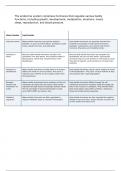
The endocrine system comprises hormones that regulate various bodily
functions, including growth, development, metabolism, emotions, mood,
sleep, reproduction, and blood pressure.
Water-Soluble Lipid-Soluble
Chemical nature Water-soluble hormones are typically proteins, Lipid-soluble hormones are generally derived from
peptides, or amino acid derivatives. Examples include cholesterol. Examples include steroid hormones
insulin, growth hormone, and adrenaline. (estrogen, testosterone, and cortisol) and thyroid
hormones (thyroxine and triiodothyronine).
Solubility in Because water-soluble hormones are polar and Because lipid-soluble hormones are nonpolar and
blood hydrophilic (mix with water), they dissolve readily in hydrophobic (do not mix with water), lipid-soluble
blood plasma, where they circulate freely in the hormones require carrier proteins in the blood to travel.
bloodstream. They bind to specific carrier proteins to increase their
solubility.
Transport in Water-soluble hormones circulate freely in the blood Lipid-soluble hormones require carrier proteins to travel
bloodstream without the need for carrier proteins. They have a in the bloodstream. They have a longer half-life as they
relatively short half-life and are rapidly cleared from are protected from rapid degradation.
the bloodstream.
Receptor Water-soluble hormones bind to receptors on the cell Lipid-soluble hormones diffuse through the cell
location and membrane of target cells and induce rapid cellular membrane and bind to receptors inside the target cell,
mechanism of responses through second messenger systems inside often in the nucleus or cytoplasm. They directly affect
action the cell. Examples of second messengers include gene transcription and protein synthesis, resulting in
cyclic AMP (cAMP) and calcium ions. slower but longer-lasting responses.
Feedback Water-soluble hormones are often regulated by Lipid-soluble hormones are also regulated by negative
regulation negative feedback loops to maintain homeostasis. feedback loops but with a longer duration of action due
to their slower elimination from
,Hormone Released By Rationale
Corticotropin-releasing hormone (CRH)Hypothalamus CRH is a releasing
hormone produced by the hypothalamus. It stimulates the release of
adrenocorticotropic hormone (ACTH) from the anterior pituitary.
Adrenaline is another organ That is produced and released by the adrenal
gland.
Thyrotropin-releasing hormone (TRH) Hypothalamus TRH is another releasing
hormone from the hypothalamus. It stimulates the release of thyroid-
stimulating hormone (TSH) from the anterior pituitary.
Gonadotropin-releasing hormone (GnRH)Hypothalamus GnRH is a
hypothalamic hormone that stimulates the release of gonadotropins,
including luteinizing hormone (LH) and follicle-stimulating hormone (FSH)
from the pituitary gland.
Insulin: Another organ , insulin, is produced and released by the pancreas in
response to changes in serum glucose.
, Prolactin-releasing peptide Hypothalamus Prolactin inhibiting factor is
produced by the hypothalamus and inhibits the production of prolactin by the
mammary glands.
Primary and Secondary Endocrine Disorders
Primary Endocrine Disorders
Definition: Primary endocrine disorders occur when there is dysfunction or
damage to the endocrine glands themselves, leading to abnormal hormone
production.
functions, including growth, development, metabolism, emotions, mood,
sleep, reproduction, and blood pressure.
Water-Soluble Lipid-Soluble
Chemical nature Water-soluble hormones are typically proteins, Lipid-soluble hormones are generally derived from
peptides, or amino acid derivatives. Examples include cholesterol. Examples include steroid hormones
insulin, growth hormone, and adrenaline. (estrogen, testosterone, and cortisol) and thyroid
hormones (thyroxine and triiodothyronine).
Solubility in Because water-soluble hormones are polar and Because lipid-soluble hormones are nonpolar and
blood hydrophilic (mix with water), they dissolve readily in hydrophobic (do not mix with water), lipid-soluble
blood plasma, where they circulate freely in the hormones require carrier proteins in the blood to travel.
bloodstream. They bind to specific carrier proteins to increase their
solubility.
Transport in Water-soluble hormones circulate freely in the blood Lipid-soluble hormones require carrier proteins to travel
bloodstream without the need for carrier proteins. They have a in the bloodstream. They have a longer half-life as they
relatively short half-life and are rapidly cleared from are protected from rapid degradation.
the bloodstream.
Receptor Water-soluble hormones bind to receptors on the cell Lipid-soluble hormones diffuse through the cell
location and membrane of target cells and induce rapid cellular membrane and bind to receptors inside the target cell,
mechanism of responses through second messenger systems inside often in the nucleus or cytoplasm. They directly affect
action the cell. Examples of second messengers include gene transcription and protein synthesis, resulting in
cyclic AMP (cAMP) and calcium ions. slower but longer-lasting responses.
Feedback Water-soluble hormones are often regulated by Lipid-soluble hormones are also regulated by negative
regulation negative feedback loops to maintain homeostasis. feedback loops but with a longer duration of action due
to their slower elimination from
,Hormone Released By Rationale
Corticotropin-releasing hormone (CRH)Hypothalamus CRH is a releasing
hormone produced by the hypothalamus. It stimulates the release of
adrenocorticotropic hormone (ACTH) from the anterior pituitary.
Adrenaline is another organ That is produced and released by the adrenal
gland.
Thyrotropin-releasing hormone (TRH) Hypothalamus TRH is another releasing
hormone from the hypothalamus. It stimulates the release of thyroid-
stimulating hormone (TSH) from the anterior pituitary.
Gonadotropin-releasing hormone (GnRH)Hypothalamus GnRH is a
hypothalamic hormone that stimulates the release of gonadotropins,
including luteinizing hormone (LH) and follicle-stimulating hormone (FSH)
from the pituitary gland.
Insulin: Another organ , insulin, is produced and released by the pancreas in
response to changes in serum glucose.
, Prolactin-releasing peptide Hypothalamus Prolactin inhibiting factor is
produced by the hypothalamus and inhibits the production of prolactin by the
mammary glands.
Primary and Secondary Endocrine Disorders
Primary Endocrine Disorders
Definition: Primary endocrine disorders occur when there is dysfunction or
damage to the endocrine glands themselves, leading to abnormal hormone
production.


