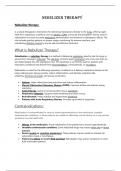
NEBULIZER THERAPY
Nebulizer therapy
Is a simple therapeutic intervention for delivering medications directly to the lungs, offering rapid
relief from respiratory conditions such as asthma, COPD, and acute bronchospasm. Nurses assist in
nebulization to ensure accurate medication administration and enhance its therapeutic effects. The
role includes guiding patients on proper usage, monitoring for adverse reactions, and
maintaining infection control to ensure safe and effective treatment.
What is Nebulizer Therapy?
Nebulization or nebulizer therapy is a method of delivering medication directly into the lungs in
aerosol form through a nebulizer. The nebulizer converts liquid medication into a fine mist that can
be inhaled deeply into the respiratory tract. This treatment is commonly used for patients with
respiratory conditions that benefit from bronchodilators, corticosteroids, or mucolytics.
Nebulization is used for the following respiratory conditions as it delivers medication directly to the
lungs, helping open airways quickly, reduce inflammation, and alleviate symptoms like
wheezing, shortness of breath, and airway constriction.
Asthma. Helps relieve bronchoconstriction and reduce inflammation.
Chronic Obstructive Pulmonary Disease (COPD). Improves airflow and reduces airway
resistance.
Cystic Fibrosis. Assists in loosening thick mucus secretions.
Respiratory Infection. Supports easier breathing and clears mucus.
Bronchiectasis. Helps mobilize and expectorate secretions.
Patients with Acute Respiratory Distress. Provides rapid relief of symptoms.
Contraindications:
Nebulization is contraindicated in cases of severe hypersensitivity to the medication, unstable
cardiovascular conditions, or when patients are unable to effectively use the device, as it may worsen
symptoms or pose health risks.
Allergy to the medication. Avoid nebulization if the patient has a known hypersensitivity.
Unstable cardiovascular conditions. Some nebulized drugs may impact heart rate or blood
pressure.
Severe anxiety or cognitive impairment. These patients may be unable to tolerate the
nebulization mask or mouthpiece.
Pulmonary edema or severe fluid overload. Nebulization may worsen symptoms in some
fluid-overloaded patients.
, Equipment
Nebulization involves the use of a device that converts liquid medication into a fine mist, which is
inhaled through a mask or mouthpiece, ensuring direct delivery to the lungs. Here are the
equipment/materials needed:
Nebulizer Machine. Generates aerosolized medication for inhalation.
Nebulizer Cup. Holds the liquid medication and attaches to the mouthpiece or mask.
Tubing. Connects the nebulizer cup to the machine.
Mouthpiece or Mask. For inhaling the aerosol mist (masks are typically used for children or
patients unable to use a mouthpiece).
Medication. Prescribed medication(s) in liquid form.
Sterile Saline (if needed). Used to dilute medication as prescribed.
Tissues and Water. For patient comfort, especially after treatment.
Nebulizer therapy
Is a simple therapeutic intervention for delivering medications directly to the lungs, offering rapid
relief from respiratory conditions such as asthma, COPD, and acute bronchospasm. Nurses assist in
nebulization to ensure accurate medication administration and enhance its therapeutic effects. The
role includes guiding patients on proper usage, monitoring for adverse reactions, and
maintaining infection control to ensure safe and effective treatment.
What is Nebulizer Therapy?
Nebulization or nebulizer therapy is a method of delivering medication directly into the lungs in
aerosol form through a nebulizer. The nebulizer converts liquid medication into a fine mist that can
be inhaled deeply into the respiratory tract. This treatment is commonly used for patients with
respiratory conditions that benefit from bronchodilators, corticosteroids, or mucolytics.
Nebulization is used for the following respiratory conditions as it delivers medication directly to the
lungs, helping open airways quickly, reduce inflammation, and alleviate symptoms like
wheezing, shortness of breath, and airway constriction.
Asthma. Helps relieve bronchoconstriction and reduce inflammation.
Chronic Obstructive Pulmonary Disease (COPD). Improves airflow and reduces airway
resistance.
Cystic Fibrosis. Assists in loosening thick mucus secretions.
Respiratory Infection. Supports easier breathing and clears mucus.
Bronchiectasis. Helps mobilize and expectorate secretions.
Patients with Acute Respiratory Distress. Provides rapid relief of symptoms.
Contraindications:
Nebulization is contraindicated in cases of severe hypersensitivity to the medication, unstable
cardiovascular conditions, or when patients are unable to effectively use the device, as it may worsen
symptoms or pose health risks.
Allergy to the medication. Avoid nebulization if the patient has a known hypersensitivity.
Unstable cardiovascular conditions. Some nebulized drugs may impact heart rate or blood
pressure.
Severe anxiety or cognitive impairment. These patients may be unable to tolerate the
nebulization mask or mouthpiece.
Pulmonary edema or severe fluid overload. Nebulization may worsen symptoms in some
fluid-overloaded patients.
, Equipment
Nebulization involves the use of a device that converts liquid medication into a fine mist, which is
inhaled through a mask or mouthpiece, ensuring direct delivery to the lungs. Here are the
equipment/materials needed:
Nebulizer Machine. Generates aerosolized medication for inhalation.
Nebulizer Cup. Holds the liquid medication and attaches to the mouthpiece or mask.
Tubing. Connects the nebulizer cup to the machine.
Mouthpiece or Mask. For inhaling the aerosol mist (masks are typically used for children or
patients unable to use a mouthpiece).
Medication. Prescribed medication(s) in liquid form.
Sterile Saline (if needed). Used to dilute medication as prescribed.
Tissues and Water. For patient comfort, especially after treatment.