Crime Analysis/Crime mapping
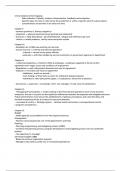
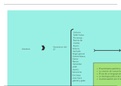
- Data collection, Collation, Analysis ,Dissemination ,Feedback and evaluation
- Specific types of crime or calls across the jurisdiction or within a specific area of a given period
- Concentrations of activities in an area over time
Chapter 9
- eustress (positive) & distress (negative)
- symptoms >> physical emotional social spiritual and intellectual
- burnouts >> sleep disturbance , job dissatisfaction , fatigue and inefficiency @ work
- effects >> health problems , family issues and police suicide
Chapter 10
- Pendleton act of 1833 was enacting civil services
- human resource >> internal and external operations
- internal >> carried out by police officials
-externals >> activities handles by service commission or government agencies hr department
Chapter 11
- Collective bargaining >> started in 1960s & employees + employers negotiate a formal written
agreement over wages, hours and conditions of employment
- Negotiation >> each side present demands and work an agreement
- Impasse >> two sides cant reach an agreement
- Mediation ( avoid run around ) ,
- Fact-finding ( written facts & events for settlement being produced )
- Arbitration ( when both parties agree ) / Compulsory ( forced into a decision )
- Grievances >> supervisor , commander, chief , city manager ( if cant come to satisfaction )
Chapter 12
- Management by Exception >> means looking at the financial and operations result of any business
enterprise. The aim is to point out the significant differences between the expected and budgeted amounts
Police administrators must ensure the establishment of policies, procedures, and rules that allow and
facilitate exceptional issues to surface for executive attention.
- command & control >> Strategic (plans ) , tactical( results and actions ) and operational control
( programs and policies )
Chapter 13
Budget
- Holds agencies accountable for how they expend resources
Management
- Monitors and evaluates the cost of the department’s activities
Planning
- Planning, programming, and budgeting systems (PPBS)
- Combines the planning process, program development, and budgeting process into one systematic
product
- Ties objectives to a budget
Zero-base budgets (ZBB)
- Based on previous expenditure requests
- Managers only need to justify new or increased expenditures
- Data collection, Collation, Analysis ,Dissemination ,Feedback and evaluation
- Specific types of crime or calls across the jurisdiction or within a specific area of a given period
- Concentrations of activities in an area over time
Chapter 9
- eustress (positive) & distress (negative)
- symptoms >> physical emotional social spiritual and intellectual
- burnouts >> sleep disturbance , job dissatisfaction , fatigue and inefficiency @ work
- effects >> health problems , family issues and police suicide
Chapter 10
- Pendleton act of 1833 was enacting civil services
- human resource >> internal and external operations
- internal >> carried out by police officials
-externals >> activities handles by service commission or government agencies hr department
Chapter 11
- Collective bargaining >> started in 1960s & employees + employers negotiate a formal written
agreement over wages, hours and conditions of employment
- Negotiation >> each side present demands and work an agreement
- Impasse >> two sides cant reach an agreement
- Mediation ( avoid run around ) ,
- Fact-finding ( written facts & events for settlement being produced )
- Arbitration ( when both parties agree ) / Compulsory ( forced into a decision )
- Grievances >> supervisor , commander, chief , city manager ( if cant come to satisfaction )
Chapter 12
- Management by Exception >> means looking at the financial and operations result of any business
enterprise. The aim is to point out the significant differences between the expected and budgeted amounts
Police administrators must ensure the establishment of policies, procedures, and rules that allow and
facilitate exceptional issues to surface for executive attention.
- command & control >> Strategic (plans ) , tactical( results and actions ) and operational control
( programs and policies )
Chapter 13
Budget
- Holds agencies accountable for how they expend resources
Management
- Monitors and evaluates the cost of the department’s activities
Planning
- Planning, programming, and budgeting systems (PPBS)
- Combines the planning process, program development, and budgeting process into one systematic
product
- Ties objectives to a budget
Zero-base budgets (ZBB)
- Based on previous expenditure requests
- Managers only need to justify new or increased expenditures