III. Resolving the Dilemma
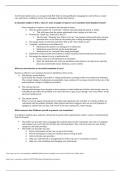
1) Identifying data that is RELEVANT, what is the essence of this current dilemma?
Mr. Miller feels as if he has lived his best life and is completely satisfied with what he
has done. However, Susan does not want him to decline treatment because she wants him
around longer as a couple. Mr. Miller may not be fully aware with how dialysis works.
With dialysis treatment, it could definitely prolong his life and have him feeling better.
2) What additional information is needed by the nurse that would help clarify the
current dilemma?
The RN assigned should gather information. This would be a great time for patient
education. Mr. Miller may not understand how dialysis works and how it could benefit
him. From there, Mr. Miller would be able to make a decision whether or not if he wants
to start treatment for chronic kidney failure.
3) What additional members of the healthcare team could be used in this situation?
Why?
A Nephrologist to educate the patient regarding starting dialysis. To review the pros and
cons given Mr. Miller's prognosis. A Palliative Care Physician to see if the patient meets
the requirements to even be on hospice care. Hospice is designed to reduce suffering and
improve the patient's quality of life. A Licensed Clinical Social Worker due to the ethical
dilemma that is going on in the family. I would also provide a chaplain to offer spiritual
guidance to Mr. Miller. This could help Mr. Miller and his family identify sources of their
fears and to provide a supporting role. By providing a chaplain, this could guide the
psycho-spiritual needs.
4) What is the nursing priority?
The nursing priority is to help Mr. Miller make the right decision for himself. By
providing Mr. Miller with the right resources and by connecting him the right team will
definitely guide him to make the correct decision for himself. The goal is to look at his
quality of life, even if it means that dialysis will or will not be initiated.
5) What nursing interventions and/or principles can the nurse use to successfully
resolve this clinical dilemma?
I would provide all of the necessary information and provide education needed to make
an informed decision based on Mr. Miller's wishes. I would also utilize therapeutic
communication with Mr. Miller and his family to ensure that both sides understand each
other. By having Susan communicate with Mr. Miller could possibly cause a change of
mind.
6) What is the expected response of the patient that indicate the nursing interventions
were effective?
I would expect Mr. Miller to make an informed decision without any hesitancy. The
patient will be able to state that he agrees and understands his choices. The patient will
This study source was downloaded by 100000879895845 from CourseHero.com on 02-25-2025 07:27:01 GMT -06:00
https://www.coursehero.com/file/158901574/Dialysis-or-Hospice-Case-Study-Questionsdocx/
1) Identifying data that is RELEVANT, what is the essence of this current dilemma?
Mr. Miller feels as if he has lived his best life and is completely satisfied with what he
has done. However, Susan does not want him to decline treatment because she wants him
around longer as a couple. Mr. Miller may not be fully aware with how dialysis works.
With dialysis treatment, it could definitely prolong his life and have him feeling better.
2) What additional information is needed by the nurse that would help clarify the
current dilemma?
The RN assigned should gather information. This would be a great time for patient
education. Mr. Miller may not understand how dialysis works and how it could benefit
him. From there, Mr. Miller would be able to make a decision whether or not if he wants
to start treatment for chronic kidney failure.
3) What additional members of the healthcare team could be used in this situation?
Why?
A Nephrologist to educate the patient regarding starting dialysis. To review the pros and
cons given Mr. Miller's prognosis. A Palliative Care Physician to see if the patient meets
the requirements to even be on hospice care. Hospice is designed to reduce suffering and
improve the patient's quality of life. A Licensed Clinical Social Worker due to the ethical
dilemma that is going on in the family. I would also provide a chaplain to offer spiritual
guidance to Mr. Miller. This could help Mr. Miller and his family identify sources of their
fears and to provide a supporting role. By providing a chaplain, this could guide the
psycho-spiritual needs.
4) What is the nursing priority?
The nursing priority is to help Mr. Miller make the right decision for himself. By
providing Mr. Miller with the right resources and by connecting him the right team will
definitely guide him to make the correct decision for himself. The goal is to look at his
quality of life, even if it means that dialysis will or will not be initiated.
5) What nursing interventions and/or principles can the nurse use to successfully
resolve this clinical dilemma?
I would provide all of the necessary information and provide education needed to make
an informed decision based on Mr. Miller's wishes. I would also utilize therapeutic
communication with Mr. Miller and his family to ensure that both sides understand each
other. By having Susan communicate with Mr. Miller could possibly cause a change of
mind.
6) What is the expected response of the patient that indicate the nursing interventions
were effective?
I would expect Mr. Miller to make an informed decision without any hesitancy. The
patient will be able to state that he agrees and understands his choices. The patient will
This study source was downloaded by 100000879895845 from CourseHero.com on 02-25-2025 07:27:01 GMT -06:00
https://www.coursehero.com/file/158901574/Dialysis-or-Hospice-Case-Study-Questionsdocx/