Cultural Differences and CSR
Theme 8
LECTURE 1
People with a high level of intercultural business competence
overcome cultural barriers and build constructive relationships
with partners from different cultures for mutual benefit. It is
important to know your own culture first.
When we talk about culture, we can talk about two aspects of
culture: on-stage and back-stage.
- On-stage: this are those things that you can easily see, how to
do business. This is also called etiquette. For example, how do
you dress, how do you eat, do you shake hands, or do you
bow. This is something you can see when you visit another
country and you can easily look this up and prepare for.
- Back-stage: those are the elements that you cannot
immediately see; the non-observable aspects. They deal with
the deeper values of people. Why do they behave the way
they behave? This is more difficult to understand and are
more deeply ingrained in our system.
Identify your own culture
If you do not know how your own culture is, then how can you compare it to others and understand
others? Your own culture is your frame of reference. You see things from your point of view, and
they may be different to people from different countries. Difference does not mean that something
is wrong, it is just different. Your own frame of reference is your starting point.
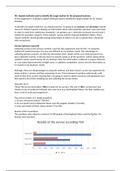
According to the book, culture has a reason
from universal dilemmas. So, in prehistoric
times, they all had to deal with similar
things, for example how do I get food, how
do I keep warm. But they all diverged in
different ways to do that and that is the
origin of culture. Universal dilemmas
develop into basic assumptions. From those
basic assumptions the beliefs, values and
norms were developed. These were passed
on and rituals and behavior and symbols
and products became the product of that
culture. So, culture is something you have
learned. Most people learn the culture from
their parents.
1
, Edward T. Hall
Edward T. hall says that the most important thing is to understand
your own culture. Because how do you understand another culture if
you don’t even understand your own? He also made up this blue
table that is shown on the right.
Low Context/High Context Cultures
The low context cultures are also called individualistic and high
context cultures are called relational.
- This is because in low context/individualistic cultures, the focus is always on the individual. You
as an individual are important, so the Netherlands is a low context culture because your
individual achievements are important. The communication: words are more important. You
think about how you are going to phrase something. Gestures and tone are also important, but
that is about it. The communication is more direct. Also, the facts are much more important
here instead of emotions.
- In a high context/relation culture, parents say you go to school, you do your best and you have
a good career so your family can benefit from this. Here the relation is more important than the
individual. This culture focuses on way more things in the communication than just the words
the people use. They put everything in context. The context in which something is said is more
important and is a big part of the actual message. In high contact communication, the
communication is much more indirect. Emotions are much more paid attention to in this culture
than the facts. So, the focus is more on the group that you are a part of than the individual. The
relationships are very important. So, when you want to do business with for example an Asian
country, you have to build a long-term relationship first. Saving face is very important here, you
do not embarrass your business partner or those in your group. Spoken agreements are
important and written agreements are not important. If the context changes, you do not stick to
it anymore but adapt to the circumstances. Non-verbal messages also vary per country, the
Indian nod for example means yes.
2
Theme 8
LECTURE 1
People with a high level of intercultural business competence
overcome cultural barriers and build constructive relationships
with partners from different cultures for mutual benefit. It is
important to know your own culture first.
When we talk about culture, we can talk about two aspects of
culture: on-stage and back-stage.
- On-stage: this are those things that you can easily see, how to
do business. This is also called etiquette. For example, how do
you dress, how do you eat, do you shake hands, or do you
bow. This is something you can see when you visit another
country and you can easily look this up and prepare for.
- Back-stage: those are the elements that you cannot
immediately see; the non-observable aspects. They deal with
the deeper values of people. Why do they behave the way
they behave? This is more difficult to understand and are
more deeply ingrained in our system.
Identify your own culture
If you do not know how your own culture is, then how can you compare it to others and understand
others? Your own culture is your frame of reference. You see things from your point of view, and
they may be different to people from different countries. Difference does not mean that something
is wrong, it is just different. Your own frame of reference is your starting point.
According to the book, culture has a reason
from universal dilemmas. So, in prehistoric
times, they all had to deal with similar
things, for example how do I get food, how
do I keep warm. But they all diverged in
different ways to do that and that is the
origin of culture. Universal dilemmas
develop into basic assumptions. From those
basic assumptions the beliefs, values and
norms were developed. These were passed
on and rituals and behavior and symbols
and products became the product of that
culture. So, culture is something you have
learned. Most people learn the culture from
their parents.
1
, Edward T. Hall
Edward T. hall says that the most important thing is to understand
your own culture. Because how do you understand another culture if
you don’t even understand your own? He also made up this blue
table that is shown on the right.
Low Context/High Context Cultures
The low context cultures are also called individualistic and high
context cultures are called relational.
- This is because in low context/individualistic cultures, the focus is always on the individual. You
as an individual are important, so the Netherlands is a low context culture because your
individual achievements are important. The communication: words are more important. You
think about how you are going to phrase something. Gestures and tone are also important, but
that is about it. The communication is more direct. Also, the facts are much more important
here instead of emotions.
- In a high context/relation culture, parents say you go to school, you do your best and you have
a good career so your family can benefit from this. Here the relation is more important than the
individual. This culture focuses on way more things in the communication than just the words
the people use. They put everything in context. The context in which something is said is more
important and is a big part of the actual message. In high contact communication, the
communication is much more indirect. Emotions are much more paid attention to in this culture
than the facts. So, the focus is more on the group that you are a part of than the individual. The
relationships are very important. So, when you want to do business with for example an Asian
country, you have to build a long-term relationship first. Saving face is very important here, you
do not embarrass your business partner or those in your group. Spoken agreements are
important and written agreements are not important. If the context changes, you do not stick to
it anymore but adapt to the circumstances. Non-verbal messages also vary per country, the
Indian nod for example means yes.
2