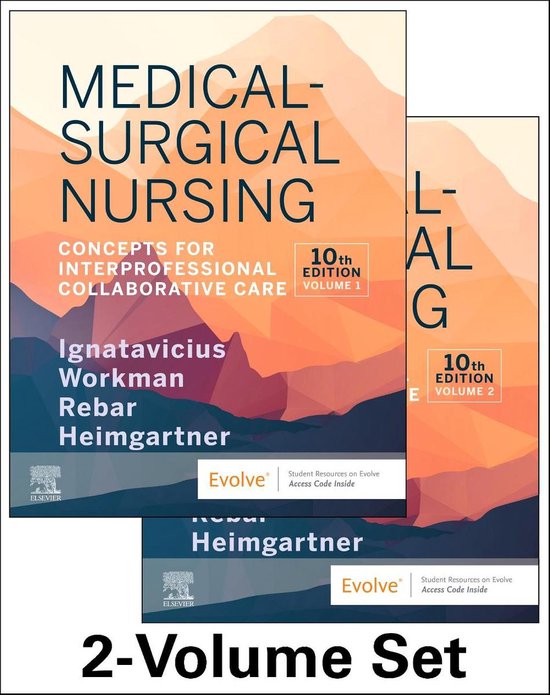
TEST BANK For Medical-Surgical Nursing
10th Edition Concepts for Interprofessional
Collaborative Care, by Donna D. Ignatavicius,
All chapters 1 – 69
,Chapter 01: Overview of Professional Nursing Concepts for Medical-Surgical Nursing
Ignatavicius: Medical-Surgical Nursing, 10th Edition
MULTIPLE CHOICE
1. A new nurse is working with a preceptor on a medical-surgical unit. The preceptor advises
the new nurse that which is the priority when working as a professional nurse?
a. Attending to holistic client needs
b. Ensuring client safety
c. Not making medication errors
d. Providing client-focused care
CORRECT ANSWER: B
All actions are appropriate for the professional nurse. However, ensuring client safety is the
priority. Health care errors have been widely reported for 25 years, many of which result in
client injury, death, and increased health care costs. There are several national and
international organizations that have either recommended or mandated safety initiatives.
Every nurse has the responsibility to guard the client’s safety. The other actions are
important for quality nursing, but they are not as vital as providing safety. Not making
medication errors does provide safety, but is too narrow in scope to be the best answer.
DIF: Understanding TOP: Integrated Process: Nursing Process: Intervention
KEY: Client safety
MSC: Client Needs Category: Safe and Effective Care Environment: Safety and Infection Control
2. A nurse is orienting a new client and family to the medical-surgical unit. What information
does the nurse provide to best help the client promote his or her own safety?
a. Encourage the client and family to be active partners.
b. Have the client monitor hand hygiene in caregivers.
c. Offer the family the opportunity to stay with the client.
d. Tell the client to always wear his or her armband.
CORRECT ANSWER: A
Each action could be important for the client or family to perform. However, encouraging the
client to be active in his or her health care as a safety partner is the most critical. The other
, actions are very limited in scope and do not provide the broad protection that being active
and involved does.
DIF: Understanding TOP: Integrated Process: Teaching/Learning
KEY: Client safety
MSC: Client Needs Category: Safe and Effective Care Environment: Safety and Infection Control
3. A anurse ais acaring afor aa apostoperative aclient aon athe asurgical aunit. aThe aclient’s ablood
apressure awas a142/76 amm aHg a30 aminutes aago, aand anow ais a88/50 amm aHg. aWhat
aaction awould athe anurse atake afirst?
a. Call athe aRapid aResponse aTeam.
b. Document aand acontinue ato amonitor.
c. Notify athe aprimary ahealth acare aprovider.
d. Repeat athe ablood apressure ain a15 aminutes.
, CORRECT aANSWER: a A
The apurpose aof athe aRapid aResponse aTeam a(RRT) ais ato aintervene awhen aclients aare
adeteriorating abefore athey asuffer aeither arespiratory aor acardiac aarrest. aSince athe aclient
ahas amanifested aa asignificant achange, athe anurse awould acall athe aRRT. aChanges ain ablood
apressure, amental astatus, aheart arate, atemperature, aoxygen asaturation, aand alast a2 ahours’
aurine aoutput aare aparticularly asignificant aand aare apart aof athe aModified aEarly aWarning
aSystem aguide. aDocumentation ais avital, abut athe anurse amust ado amore athan adocument.
aThe aprimary ahealth acare aprovider awould abe anotified, abut athis ais anot amore aimportant
athan acalling athe aRRT. aThe aclient’s ablood apressure awould abe areassessed afrequently, abut
athe apriority ais agetting athe arapid acare ato athe aclient.
DIF: Applying TOP: a Integrated aProcess: aCommunication aand
aDocumentation aKEY: aRapid aResponse aTeam a(RRT), aClinical ajudgment
MSC: a Client aNeeds aCategory: aPhysiological aIntegrity: aPhysiological aAdaptation
4. A anurse awishes ato aprovide aclient-centered acare ain aall ainteractions. aWhich aaction aby athe
anurse
best ademonstrates athis aconcept?
a. Assesses afor acultural ainfluences aaffecting ahealth acare.
b. Ensures athat aall athe aclient’s abasic aneeds aare amet.
c. Tells athe aclient aand afamily aabout aall aupcoming atests.
d. Thoroughly aorients athe aclient aand afamily ato athe aroom.
CORRECT aANSWER: a A
Showing arespect afor athe aclient aand afamily’s apreferences aand aneeds ais aessential ato
aensure aa aholistic aor a“whole-person” aapproach ato acare. aBy aassessing athe aeffect aof athe
aclient’s aculture aon ahealth acare, athis anurse ais apracticing aclient-focused acare. aProviding
afor abasic aneeds adoes anot ademonstrate athis acompetence. aSimply atelling athe aclient
aabout aall aupcoming atests ais anot aproviding aempowering aeducation. aOrienting athe aclient
aand afamily ato athe aroom ais aan aimportant asafety ameasure, abut anot adirectly arelated ato
ademonstrating aclient-centered acare.
DIF: Understanding TOP: aIntegrated aProcess: aCulture aand aSpirituality
aKEY: a Client-centered acare, aCulture MSC: a Client aNeeds aCategory: aPsychosocial
aIntegrity
5. A aclient ais agoing ato abe aadmitted afor aa ascheduled asurgical aprocedure. aWhich aaction
adoes athe anurse aexplain ais athe amost aimportant athing athe aclient acan ado ato aprotect
aagainst aerrors?
10th Edition Concepts for Interprofessional
Collaborative Care, by Donna D. Ignatavicius,
All chapters 1 – 69
,Chapter 01: Overview of Professional Nursing Concepts for Medical-Surgical Nursing
Ignatavicius: Medical-Surgical Nursing, 10th Edition
MULTIPLE CHOICE
1. A new nurse is working with a preceptor on a medical-surgical unit. The preceptor advises
the new nurse that which is the priority when working as a professional nurse?
a. Attending to holistic client needs
b. Ensuring client safety
c. Not making medication errors
d. Providing client-focused care
CORRECT ANSWER: B
All actions are appropriate for the professional nurse. However, ensuring client safety is the
priority. Health care errors have been widely reported for 25 years, many of which result in
client injury, death, and increased health care costs. There are several national and
international organizations that have either recommended or mandated safety initiatives.
Every nurse has the responsibility to guard the client’s safety. The other actions are
important for quality nursing, but they are not as vital as providing safety. Not making
medication errors does provide safety, but is too narrow in scope to be the best answer.
DIF: Understanding TOP: Integrated Process: Nursing Process: Intervention
KEY: Client safety
MSC: Client Needs Category: Safe and Effective Care Environment: Safety and Infection Control
2. A nurse is orienting a new client and family to the medical-surgical unit. What information
does the nurse provide to best help the client promote his or her own safety?
a. Encourage the client and family to be active partners.
b. Have the client monitor hand hygiene in caregivers.
c. Offer the family the opportunity to stay with the client.
d. Tell the client to always wear his or her armband.
CORRECT ANSWER: A
Each action could be important for the client or family to perform. However, encouraging the
client to be active in his or her health care as a safety partner is the most critical. The other
, actions are very limited in scope and do not provide the broad protection that being active
and involved does.
DIF: Understanding TOP: Integrated Process: Teaching/Learning
KEY: Client safety
MSC: Client Needs Category: Safe and Effective Care Environment: Safety and Infection Control
3. A anurse ais acaring afor aa apostoperative aclient aon athe asurgical aunit. aThe aclient’s ablood
apressure awas a142/76 amm aHg a30 aminutes aago, aand anow ais a88/50 amm aHg. aWhat
aaction awould athe anurse atake afirst?
a. Call athe aRapid aResponse aTeam.
b. Document aand acontinue ato amonitor.
c. Notify athe aprimary ahealth acare aprovider.
d. Repeat athe ablood apressure ain a15 aminutes.
, CORRECT aANSWER: a A
The apurpose aof athe aRapid aResponse aTeam a(RRT) ais ato aintervene awhen aclients aare
adeteriorating abefore athey asuffer aeither arespiratory aor acardiac aarrest. aSince athe aclient
ahas amanifested aa asignificant achange, athe anurse awould acall athe aRRT. aChanges ain ablood
apressure, amental astatus, aheart arate, atemperature, aoxygen asaturation, aand alast a2 ahours’
aurine aoutput aare aparticularly asignificant aand aare apart aof athe aModified aEarly aWarning
aSystem aguide. aDocumentation ais avital, abut athe anurse amust ado amore athan adocument.
aThe aprimary ahealth acare aprovider awould abe anotified, abut athis ais anot amore aimportant
athan acalling athe aRRT. aThe aclient’s ablood apressure awould abe areassessed afrequently, abut
athe apriority ais agetting athe arapid acare ato athe aclient.
DIF: Applying TOP: a Integrated aProcess: aCommunication aand
aDocumentation aKEY: aRapid aResponse aTeam a(RRT), aClinical ajudgment
MSC: a Client aNeeds aCategory: aPhysiological aIntegrity: aPhysiological aAdaptation
4. A anurse awishes ato aprovide aclient-centered acare ain aall ainteractions. aWhich aaction aby athe
anurse
best ademonstrates athis aconcept?
a. Assesses afor acultural ainfluences aaffecting ahealth acare.
b. Ensures athat aall athe aclient’s abasic aneeds aare amet.
c. Tells athe aclient aand afamily aabout aall aupcoming atests.
d. Thoroughly aorients athe aclient aand afamily ato athe aroom.
CORRECT aANSWER: a A
Showing arespect afor athe aclient aand afamily’s apreferences aand aneeds ais aessential ato
aensure aa aholistic aor a“whole-person” aapproach ato acare. aBy aassessing athe aeffect aof athe
aclient’s aculture aon ahealth acare, athis anurse ais apracticing aclient-focused acare. aProviding
afor abasic aneeds adoes anot ademonstrate athis acompetence. aSimply atelling athe aclient
aabout aall aupcoming atests ais anot aproviding aempowering aeducation. aOrienting athe aclient
aand afamily ato athe aroom ais aan aimportant asafety ameasure, abut anot adirectly arelated ato
ademonstrating aclient-centered acare.
DIF: Understanding TOP: aIntegrated aProcess: aCulture aand aSpirituality
aKEY: a Client-centered acare, aCulture MSC: a Client aNeeds aCategory: aPsychosocial
aIntegrity
5. A aclient ais agoing ato abe aadmitted afor aa ascheduled asurgical aprocedure. aWhich aaction
adoes athe anurse aexplain ais athe amost aimportant athing athe aclient acan ado ato aprotect
aagainst aerrors?