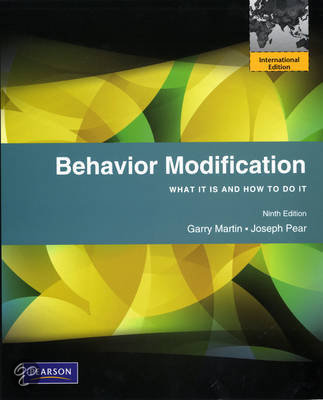
Test Bank for Behavior Modif
N N N NN
ication
What It Is and How to Do It
N N N N N N N N
Eleventh Edition Marti N N
n and Pear
N N
131
www.stuvia.com
, OPTION-BASED QUESTIONS N
Chapter 1. Introduction
N N
MultipleN ChoiceN QuestionsN OnN MainN TextN (Note:N *N indicatesN theN correctN answer)
1. AN behavioralN deficitN is:
* a)N tooN littleN ofN aN particularN typeN ofN behavior
b)tooN muchN ofN aN particularN typeN ofN behavior
c)anN appropriateN behaviorN occurringN toN theN wrongN stimulus
d)anN appropriateN behaviorN occurringN atN theN wrongN timeN orN place
Difficulty:N Easy
Type:NConceptual
2. AN behavioralN excessN is:
* a)N tooN muchN ofN aN particularN typeN ofN behavior
b) tooN littleN ofN aN particularN typeN ofN behavior
c) anN appropriateN behaviorN occurringN toN theN wrongN stimulus
d) anN appropriateN behaviorN occurringN atN theN wrongN timeN orN place
Difficulty:N Easy
Type:NConceptual
3. WhichN ofN theN followingN isN anN exampleN ofN behavior?
a)N hairN color b)NtheN colorN ofN someone’sN eyes
c)N theN clothesN someoneN isN wearing *d)N dressingN inN theN morning
Difficulty:N Medium
Type:NFactual
4. InN behaviorN modification,N motivationN andN intelligenceN referN to:
a)N innerN mentalN processes *Nb)N waysN ofN behaving
c)N causesN ofN behavior d)N majorN sourcesN ofN abnormality
Difficulty:N Easy
Type:NConceptual
5. InN behaviorN modification,N theN termN “environment”N refersN to:
a) theN neighborhoodN inN whichN aN personN isN raised
b) theN naturalN habitatN ofN anN organism
* c)NtheNspecificNphysicalNvariablesNinNone’sNimmediateNsurroundings
d)NtheNgeneralNsituationNwhereNoneNhappensNtoNbe
Difficulty:N Easy
Type:NFactual
6. ANchildNdoesNnotNpronounceNwordsNclearlyNandNdoesNnotNinteractNwithNotherN childre
n.N TheseNareNexamplesNof:
a)N behavioralN excesses b)N behavioralN abnormalities
* c)N behavioralN deficits d)N behavioralN characteristics
Difficulty:N Medium
Type:NConceptual
7. BehaviorNmodifiersNstressNtheNimportanceN ofNdefiningNproblemsNinNtermsNo
fNspecificNbehavioralNdeficitsNorNbehavioralNexcessesNbecause:
a)N therapistsN canN thenN focusN onN theN individual’sN problemN behaviorsN ratherN thanN onN hisN
orNherNstrengths
*
b)N itN isN behaviorN thatN causesN concern,N andN thereN areN specificN proceduresN nowN avail
ableNtoNchangeNbehavior
132
www.stuvia.com
,c) labelingN anN individualN impliesN thatN aN particularN treatmentN programN willN beN helpful
d) labelingN anN individualN isNusefulNforN quicklyN providingN generalN informationNaboutN howN t
hatNindividualNmightNperform
Difficulty:N Hard
Type:NApplied
8. WhichN ofN theN followingN isN notN aN characteristicN ofN behaviorN modification?
a) ItN definesN problemsN inN termsN ofN behavior.
b) ItsNtreatmentN proceduresN andN techniquesN areN waysN ofN rearrangingN anN individua
l’sNenvironment.
c) ItsNtechniquesNdrawNextensivelyNfromNtheNprinciplesNofNoperantNandNPavlovia
nNconditioning.
* d)N ItN emphasizesN theN useN ofN summaryN labelsN forN classifyingN individuals.
Difficulty:N Easy
Type:NApplied
9. WhichN ofN theN followingN isN anN exampleN ofN covertN behavior?
* a)N aN skierN thinking,N “IN hopeN IN don’tN fall” b)N aN pitcherN throwingN aN ball
c)N aN studentN drinkingN coffee d)N aN childN talkingN toN herN dogN inN theN backyard
Difficulty:N Medium
Type:NConceptual
10. WhichN ofN theN followingN isN anN exampleN ofN overtN behavior?
a)N feelingsN ofN nervousness *N b)N yellingN atN someone
c)N aN boyN onN aN dateN thinking,N “IN likeN thisN girl”N d)N imaginingN aN beautifulN sunset
Difficulty:N Medium
Type:NConceptual
11. BehaviorN therapyN wasN firstN usedN toN referN to:
a) behaviorNmodificationNinNwhichNthereNisNtypicallyNanNattemptNtoNanalyzeN orNclearl
yN demonstrateNcontrollingNvariables
b) theN scientificN studyN ofN lawsN thatN governN theN behaviorN ofN humanN beingsN andN otherN animals
*c)N JosephN Wolpe’sN behavioralN treatmentN forN specificN phobias
d)N behaviorN modificationN thatN focusesN onN overtN behaviorsN thatN areN ofN socialN significance
Difficulty:N Easy
Type:NConceptual
12. WhichN ofN theN followingN isN anN exampleN ofN anN outcomeN ofN behavior?
a) throwingNaNbaseball
b) liftingN aN heavyN weight
*c)N scoringN aN goalN inN iceN hockey
d)NstandingNatNtheNfreeNthrowNlineNinNbasketball
Difficulty:N Medium
Type:NConceptual
13. BehaviorN modifiersN areN cautiousN aboutN usingN summaryN labelsN toNreferN toNindividuals
N orNtheirNactionsNbecause:
a) theN labelN forN theN behaviorN isN oftenN usedN asN aN pseudo-explanationN forN theN behavior
b) labelsN canN negativelyN affectN theN wayN anN individualN mightN beN treated
c) labelingNmayNinfluenceNusNtoNfocusNonNanNindividual’sNproblemN behaviorsN ratherNthan
N onNhisNorNherNstrengths
* d)N allN ofN theN above
133
www.stuvia.com
, Difficulty:N Hard
Type:NConceptual
14. TheN people,N objects,N andN eventsN thatN makeN upN aN person’sN environmentN areN called:
* a)N stimuli b)N conditionedN stimuli
c) unconditionedN stimuli d)N reinforcingN stimuli
Difficulty:N Easy
Type:NFactual
15. WhichN ofN theN followingN isN notN aN characteristicN ofN behaviorN modification?
a) ItsN treatmentN proceduresN areN waysN ofN alteringN anN individual’sN environment.
b) ItsNmethodsNandNrationalesNcanNbeNdescribedNprecisely.
* c)N ItsN techniquesN stemN primarilyN fromN cognitiveN psychology.
d)N ItsN techniquesN areN oftenN appliedN byN individualsN inN everydayN life.
Difficulty:N Easy
Type:NConceptual
16. BehavioralNassessmentNseeksNto:
a) determineN theN underlyingN mentalN disturbanceN responsibleN forN behavioralN symptoms
b) identifyNtheN typeNofN mentalNdisorderN assumedN toN underlieN particularN patternsNofN abnor
malNbehavior
*
c)NidentifyNpotentialNcontrollingNvariablesNofNproblemNbehaviors,NandNselectNbehavio
ralNtreatment
d)NdetermineNtheNnecessaryNintelligenceNlevelNofNpotentialNclientsNasNaNprerequisiteNtoNbe
haviorNmodificationN programs
Difficulty:N Medium
Type:NApplied
17. WhichN ofN theN followingN isN notN aN misconceptionN aboutN behaviorN modification?
a)NBehaviorNmodifiersNonlyNdealNwithNtheNobservableNandNtheyNdon’tNdealNwithNtheNthoug
htsN andNfeelingsNofNclients.
*
b)NBehaviorNmodificationN involvesNtheNsystematicNapplicationN ofNlearningNprinciples
NtoNimproveNcovert NandNovertNbehaviors.
c) BehaviorN modificationN involvesN theN useN ofN drugs,N psychosurgery,N andN electroconvulsi
veNtherapy.
d) BehaviorN modificationN onlyN changesN symptoms;N itN doesn’tN getN atN theN underlyingN problems.
Difficulty:N Hard
Type:NApplied
18. WhichN ofN theN followingN isN anN exampleN ofN cognitiveN behavior?
a) aN childN readingN outN loudN forN aN parent
b) aNbaseballNplayerNtalkingNtoNherNcoach
*N N c)N aN personN onN aN hotN dayN imaginingN thatN heN isN sittingN atN theN ocean
d)N aN studentN writingN withN aN pen
Difficulty:N Medium
Type:NConceptual
19. BehaviorsN toN beN improvedN inN aN behaviorN modificationN programN areN frequentlyN called:
Difficulty:N Easy
134
www.stuvia.com
N N N NN
ication
What It Is and How to Do It
N N N N N N N N
Eleventh Edition Marti N N
n and Pear
N N
131
www.stuvia.com
, OPTION-BASED QUESTIONS N
Chapter 1. Introduction
N N
MultipleN ChoiceN QuestionsN OnN MainN TextN (Note:N *N indicatesN theN correctN answer)
1. AN behavioralN deficitN is:
* a)N tooN littleN ofN aN particularN typeN ofN behavior
b)tooN muchN ofN aN particularN typeN ofN behavior
c)anN appropriateN behaviorN occurringN toN theN wrongN stimulus
d)anN appropriateN behaviorN occurringN atN theN wrongN timeN orN place
Difficulty:N Easy
Type:NConceptual
2. AN behavioralN excessN is:
* a)N tooN muchN ofN aN particularN typeN ofN behavior
b) tooN littleN ofN aN particularN typeN ofN behavior
c) anN appropriateN behaviorN occurringN toN theN wrongN stimulus
d) anN appropriateN behaviorN occurringN atN theN wrongN timeN orN place
Difficulty:N Easy
Type:NConceptual
3. WhichN ofN theN followingN isN anN exampleN ofN behavior?
a)N hairN color b)NtheN colorN ofN someone’sN eyes
c)N theN clothesN someoneN isN wearing *d)N dressingN inN theN morning
Difficulty:N Medium
Type:NFactual
4. InN behaviorN modification,N motivationN andN intelligenceN referN to:
a)N innerN mentalN processes *Nb)N waysN ofN behaving
c)N causesN ofN behavior d)N majorN sourcesN ofN abnormality
Difficulty:N Easy
Type:NConceptual
5. InN behaviorN modification,N theN termN “environment”N refersN to:
a) theN neighborhoodN inN whichN aN personN isN raised
b) theN naturalN habitatN ofN anN organism
* c)NtheNspecificNphysicalNvariablesNinNone’sNimmediateNsurroundings
d)NtheNgeneralNsituationNwhereNoneNhappensNtoNbe
Difficulty:N Easy
Type:NFactual
6. ANchildNdoesNnotNpronounceNwordsNclearlyNandNdoesNnotNinteractNwithNotherN childre
n.N TheseNareNexamplesNof:
a)N behavioralN excesses b)N behavioralN abnormalities
* c)N behavioralN deficits d)N behavioralN characteristics
Difficulty:N Medium
Type:NConceptual
7. BehaviorNmodifiersNstressNtheNimportanceN ofNdefiningNproblemsNinNtermsNo
fNspecificNbehavioralNdeficitsNorNbehavioralNexcessesNbecause:
a)N therapistsN canN thenN focusN onN theN individual’sN problemN behaviorsN ratherN thanN onN hisN
orNherNstrengths
*
b)N itN isN behaviorN thatN causesN concern,N andN thereN areN specificN proceduresN nowN avail
ableNtoNchangeNbehavior
132
www.stuvia.com
,c) labelingN anN individualN impliesN thatN aN particularN treatmentN programN willN beN helpful
d) labelingN anN individualN isNusefulNforN quicklyN providingN generalN informationNaboutN howN t
hatNindividualNmightNperform
Difficulty:N Hard
Type:NApplied
8. WhichN ofN theN followingN isN notN aN characteristicN ofN behaviorN modification?
a) ItN definesN problemsN inN termsN ofN behavior.
b) ItsNtreatmentN proceduresN andN techniquesN areN waysN ofN rearrangingN anN individua
l’sNenvironment.
c) ItsNtechniquesNdrawNextensivelyNfromNtheNprinciplesNofNoperantNandNPavlovia
nNconditioning.
* d)N ItN emphasizesN theN useN ofN summaryN labelsN forN classifyingN individuals.
Difficulty:N Easy
Type:NApplied
9. WhichN ofN theN followingN isN anN exampleN ofN covertN behavior?
* a)N aN skierN thinking,N “IN hopeN IN don’tN fall” b)N aN pitcherN throwingN aN ball
c)N aN studentN drinkingN coffee d)N aN childN talkingN toN herN dogN inN theN backyard
Difficulty:N Medium
Type:NConceptual
10. WhichN ofN theN followingN isN anN exampleN ofN overtN behavior?
a)N feelingsN ofN nervousness *N b)N yellingN atN someone
c)N aN boyN onN aN dateN thinking,N “IN likeN thisN girl”N d)N imaginingN aN beautifulN sunset
Difficulty:N Medium
Type:NConceptual
11. BehaviorN therapyN wasN firstN usedN toN referN to:
a) behaviorNmodificationNinNwhichNthereNisNtypicallyNanNattemptNtoNanalyzeN orNclearl
yN demonstrateNcontrollingNvariables
b) theN scientificN studyN ofN lawsN thatN governN theN behaviorN ofN humanN beingsN andN otherN animals
*c)N JosephN Wolpe’sN behavioralN treatmentN forN specificN phobias
d)N behaviorN modificationN thatN focusesN onN overtN behaviorsN thatN areN ofN socialN significance
Difficulty:N Easy
Type:NConceptual
12. WhichN ofN theN followingN isN anN exampleN ofN anN outcomeN ofN behavior?
a) throwingNaNbaseball
b) liftingN aN heavyN weight
*c)N scoringN aN goalN inN iceN hockey
d)NstandingNatNtheNfreeNthrowNlineNinNbasketball
Difficulty:N Medium
Type:NConceptual
13. BehaviorN modifiersN areN cautiousN aboutN usingN summaryN labelsN toNreferN toNindividuals
N orNtheirNactionsNbecause:
a) theN labelN forN theN behaviorN isN oftenN usedN asN aN pseudo-explanationN forN theN behavior
b) labelsN canN negativelyN affectN theN wayN anN individualN mightN beN treated
c) labelingNmayNinfluenceNusNtoNfocusNonNanNindividual’sNproblemN behaviorsN ratherNthan
N onNhisNorNherNstrengths
* d)N allN ofN theN above
133
www.stuvia.com
, Difficulty:N Hard
Type:NConceptual
14. TheN people,N objects,N andN eventsN thatN makeN upN aN person’sN environmentN areN called:
* a)N stimuli b)N conditionedN stimuli
c) unconditionedN stimuli d)N reinforcingN stimuli
Difficulty:N Easy
Type:NFactual
15. WhichN ofN theN followingN isN notN aN characteristicN ofN behaviorN modification?
a) ItsN treatmentN proceduresN areN waysN ofN alteringN anN individual’sN environment.
b) ItsNmethodsNandNrationalesNcanNbeNdescribedNprecisely.
* c)N ItsN techniquesN stemN primarilyN fromN cognitiveN psychology.
d)N ItsN techniquesN areN oftenN appliedN byN individualsN inN everydayN life.
Difficulty:N Easy
Type:NConceptual
16. BehavioralNassessmentNseeksNto:
a) determineN theN underlyingN mentalN disturbanceN responsibleN forN behavioralN symptoms
b) identifyNtheN typeNofN mentalNdisorderN assumedN toN underlieN particularN patternsNofN abnor
malNbehavior
*
c)NidentifyNpotentialNcontrollingNvariablesNofNproblemNbehaviors,NandNselectNbehavio
ralNtreatment
d)NdetermineNtheNnecessaryNintelligenceNlevelNofNpotentialNclientsNasNaNprerequisiteNtoNbe
haviorNmodificationN programs
Difficulty:N Medium
Type:NApplied
17. WhichN ofN theN followingN isN notN aN misconceptionN aboutN behaviorN modification?
a)NBehaviorNmodifiersNonlyNdealNwithNtheNobservableNandNtheyNdon’tNdealNwithNtheNthoug
htsN andNfeelingsNofNclients.
*
b)NBehaviorNmodificationN involvesNtheNsystematicNapplicationN ofNlearningNprinciples
NtoNimproveNcovert NandNovertNbehaviors.
c) BehaviorN modificationN involvesN theN useN ofN drugs,N psychosurgery,N andN electroconvulsi
veNtherapy.
d) BehaviorN modificationN onlyN changesN symptoms;N itN doesn’tN getN atN theN underlyingN problems.
Difficulty:N Hard
Type:NApplied
18. WhichN ofN theN followingN isN anN exampleN ofN cognitiveN behavior?
a) aN childN readingN outN loudN forN aN parent
b) aNbaseballNplayerNtalkingNtoNherNcoach
*N N c)N aN personN onN aN hotN dayN imaginingN thatN heN isN sittingN atN theN ocean
d)N aN studentN writingN withN aN pen
Difficulty:N Medium
Type:NConceptual
19. BehaviorsN toN beN improvedN inN aN behaviorN modificationN programN areN frequentlyN called:
Difficulty:N Easy
134
www.stuvia.com