NEBOSH IGC 1 Exam Study questions and
verified answers
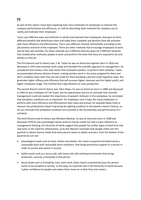
REASONS FOR GOOD HEALTH AND SAFETY MANAGEMENT - ANS MORAL REASONS
Need to provide a reasonable standard of care and ethical reasons to reduce:
accident rates
industrial disease and ill-health rates.
SOCIAL REASONS
These include:
societal expectation of good standards of health and safety a duty of care — to provide:
a safe place of work, including access and egress
safe plant and equipment
a safe system of work
safe and competent fellow employees; and
adequate levels of supervision, information, instruction and training.
ECONOMIC REASONS
Poor health and safety management can lead to:
direct and
indirect costs.
Good health and safety management can lead to:
a more highly motivated workforce, resulting in an improvement in the rate of production
and product quality;
improved image and reputation of the organisation with its various stakeholders."
COSTS OF ACCIDENTS AND ILL HEALTH - ANS DIRECT COSTS
Directly related to the accident and may be insured or uninsured.
, Insured direct costs normally include:
claims on employers' and public liability insurance;
damage to buildings, equipment or vehicles; and
any attributable production and/or general business loss."
Uninsured direct costs include:
fines resulting from prosecution by the enforcement authority;
sick pay;
some damage to product, equipment, vehicles or process not directly attributable to the
accident (e.g. caused by replacement staff);
increases in insurance premiums resulting from the accident;
any compensation not covered by the insurance policy due to an excess agreed between
the employer and the insurance company; and
legal representation following any compensation claim.
INDIRECT COSTS
Costs which may not be directly attributable to the accident but may result from a series of
accidents.
Insured indirect costs include:
a cumulative business loss;
product or process liability claims; and
recruitment of replacement staff.
Uninsured indirect costs include:
loss of goodwill and a poor corporate image;
accident investigation time and any subsequent remedial action required;
production delays;
extra overtime payments;
verified answers
REASONS FOR GOOD HEALTH AND SAFETY MANAGEMENT - ANS MORAL REASONS
Need to provide a reasonable standard of care and ethical reasons to reduce:
accident rates
industrial disease and ill-health rates.
SOCIAL REASONS
These include:
societal expectation of good standards of health and safety a duty of care — to provide:
a safe place of work, including access and egress
safe plant and equipment
a safe system of work
safe and competent fellow employees; and
adequate levels of supervision, information, instruction and training.
ECONOMIC REASONS
Poor health and safety management can lead to:
direct and
indirect costs.
Good health and safety management can lead to:
a more highly motivated workforce, resulting in an improvement in the rate of production
and product quality;
improved image and reputation of the organisation with its various stakeholders."
COSTS OF ACCIDENTS AND ILL HEALTH - ANS DIRECT COSTS
Directly related to the accident and may be insured or uninsured.
, Insured direct costs normally include:
claims on employers' and public liability insurance;
damage to buildings, equipment or vehicles; and
any attributable production and/or general business loss."
Uninsured direct costs include:
fines resulting from prosecution by the enforcement authority;
sick pay;
some damage to product, equipment, vehicles or process not directly attributable to the
accident (e.g. caused by replacement staff);
increases in insurance premiums resulting from the accident;
any compensation not covered by the insurance policy due to an excess agreed between
the employer and the insurance company; and
legal representation following any compensation claim.
INDIRECT COSTS
Costs which may not be directly attributable to the accident but may result from a series of
accidents.
Insured indirect costs include:
a cumulative business loss;
product or process liability claims; and
recruitment of replacement staff.
Uninsured indirect costs include:
loss of goodwill and a poor corporate image;
accident investigation time and any subsequent remedial action required;
production delays;
extra overtime payments;