Chapter 2— Key Points
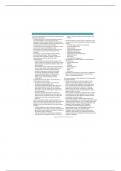
This section discusses key points about demographics, • When assessing a patient’s spirituality, use the FICA
national standards, and heritage. Spiritual History Tool. FICA stands for faith,
• Multiple and often changing cultural and subcultural importance/influence, community, and address/action.
identifications help define an individual and influence
one’s beliefs about health and illness, coping This section presents critical points about health-related
mechanisms, and wellness behaviors. beliefs and practices.
• An individual’s health status is influenced by a group of • The meaning of health and illness is determined, in part,
personal, social, economic, and environmental factors, by the way members of a person’s culture define them.
collectively known as determinants of health. The perceived causes of illness and symptoms can be
• The National Standards for Culturally and Linguistically culturally based and may be viewed as biomedical (or
Appropriate Services in Health Care provides a blueprint scientific), naturalistic (or holistic), or magicoreligious.
to improve quality of care and eliminate health All cultures have their preferred lay or popular healers,
disparities for culturally diverse populations. recognized symptoms of disease, acceptable sick-role
• Linguistic competence ensures that non-native English behaviors, and treatments. Patients may seek help from
speaking patients receive care in a manner in which they biomedical health professionals as well as traditional
linguistically understand. In many cases, this means that healers.
health care institutions and providers must provide • Pain is a universally recognized phenomenon that is
interpreters for these patients. experienced by all cultures. Culture influences the
• Culture includes attitudes, beliefs, self-definitions, expectations, manifestations, and management of pain.
norms, roles, and values. Culture can be communicated Some cultures express pain openly, whereas others are
both verbally and nonverbally. more stoic.
• Socialization is the process of being raised within a
culture and acquiring the characteristics of the group. This section explores cultural assessment and cultural
• Culture has four characteristics. First, it is learned competence.
from birth through language acquisition and • Cultural competence includes the attitudes, knowledge,
socialization. Second, it is shared by all members of and skills necessary for providing quality care to diverse
the same cultural group. Third, it is adapted to populations.
specific conditions related to environmental and • Culturally sensitive means that caregivers are aware
technical factors and to the availability of natural of different cultures in the health care setting.
resources. And fourth, it is dynamic and ever • Culturally appropriate implies that caregivers apply
changing. their knowledge of culture to provide the best patient
• Subcultural groups are smaller groups that function care possible.
within a larger culture. These groups may hold • Culturally competent means that caregivers
different beliefs and customs than the larger cultural understand all aspects of the patient’s cultural being,
group. and thus include this information in the patient’s
• Acculturation is the process of adopting the culture care.
and behavior of the majority culture. • Cultural sensibility occurs when caregivers
• Race, a means of self-identification, refers to a group of deliberately and proactively examine patients’ cultural
people who share similar physical characteristics. situations.
• Ethnicity pertains to membership in a social group that • When assessing the cultural care of a patient, be sure to
claims to possess a common geographic origin, include these important domains: heritage; health
migratory status, religion, race, language, shared values, practices; communication; family roles and social
traditions or symbols, and food preferences. One’s orientation; nutrition; pregnancy, birth, and child-
cultural background is a fundamental component of rearing; spirituality and religion; death; and role of
one’s ethnic background. health providers.
• Religion is an organized system of beliefs concerning the
cause, nature, and purpose of the universe, as well as
attendance of regular services. Spirituality is a broad
term that focuses on a connection to something larger
than oneself and a belief in transcendence.
Copyright © 2020 Elsevier Inc. All rights reserved.
This section discusses key points about demographics, • When assessing a patient’s spirituality, use the FICA
national standards, and heritage. Spiritual History Tool. FICA stands for faith,
• Multiple and often changing cultural and subcultural importance/influence, community, and address/action.
identifications help define an individual and influence
one’s beliefs about health and illness, coping This section presents critical points about health-related
mechanisms, and wellness behaviors. beliefs and practices.
• An individual’s health status is influenced by a group of • The meaning of health and illness is determined, in part,
personal, social, economic, and environmental factors, by the way members of a person’s culture define them.
collectively known as determinants of health. The perceived causes of illness and symptoms can be
• The National Standards for Culturally and Linguistically culturally based and may be viewed as biomedical (or
Appropriate Services in Health Care provides a blueprint scientific), naturalistic (or holistic), or magicoreligious.
to improve quality of care and eliminate health All cultures have their preferred lay or popular healers,
disparities for culturally diverse populations. recognized symptoms of disease, acceptable sick-role
• Linguistic competence ensures that non-native English behaviors, and treatments. Patients may seek help from
speaking patients receive care in a manner in which they biomedical health professionals as well as traditional
linguistically understand. In many cases, this means that healers.
health care institutions and providers must provide • Pain is a universally recognized phenomenon that is
interpreters for these patients. experienced by all cultures. Culture influences the
• Culture includes attitudes, beliefs, self-definitions, expectations, manifestations, and management of pain.
norms, roles, and values. Culture can be communicated Some cultures express pain openly, whereas others are
both verbally and nonverbally. more stoic.
• Socialization is the process of being raised within a
culture and acquiring the characteristics of the group. This section explores cultural assessment and cultural
• Culture has four characteristics. First, it is learned competence.
from birth through language acquisition and • Cultural competence includes the attitudes, knowledge,
socialization. Second, it is shared by all members of and skills necessary for providing quality care to diverse
the same cultural group. Third, it is adapted to populations.
specific conditions related to environmental and • Culturally sensitive means that caregivers are aware
technical factors and to the availability of natural of different cultures in the health care setting.
resources. And fourth, it is dynamic and ever • Culturally appropriate implies that caregivers apply
changing. their knowledge of culture to provide the best patient
• Subcultural groups are smaller groups that function care possible.
within a larger culture. These groups may hold • Culturally competent means that caregivers
different beliefs and customs than the larger cultural understand all aspects of the patient’s cultural being,
group. and thus include this information in the patient’s
• Acculturation is the process of adopting the culture care.
and behavior of the majority culture. • Cultural sensibility occurs when caregivers
• Race, a means of self-identification, refers to a group of deliberately and proactively examine patients’ cultural
people who share similar physical characteristics. situations.
• Ethnicity pertains to membership in a social group that • When assessing the cultural care of a patient, be sure to
claims to possess a common geographic origin, include these important domains: heritage; health
migratory status, religion, race, language, shared values, practices; communication; family roles and social
traditions or symbols, and food preferences. One’s orientation; nutrition; pregnancy, birth, and child-
cultural background is a fundamental component of rearing; spirituality and religion; death; and role of
one’s ethnic background. health providers.
• Religion is an organized system of beliefs concerning the
cause, nature, and purpose of the universe, as well as
attendance of regular services. Spirituality is a broad
term that focuses on a connection to something larger
than oneself and a belief in transcendence.
Copyright © 2020 Elsevier Inc. All rights reserved.