Case study: South Sudan Conflict and War
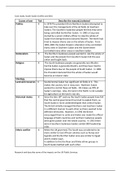
Causes of war Tick Describe the reason(s) selected
Politics X In 1978 The president (from Northern Sudan) attempted to
take over the management of the oil fields (in Southern
Sudan). The Southern Sudanese people felt that they were
being controlled by Norther Sudan. In 1985 a Coup was
started by a senior military officer to stop the whole of
Sudan from being forced to become Muslim. The North had
tried to impose Sharia Law on the whole of Sudan. From
1991-2001 the Sudan People’s Liberation Army controlled
many cities in Southern Sudan and the Government
controlled many other areas in Southern Sudan.
Nationalism X The Northern Sudanese people wanted to rule the whole of
Sudan and the people from Southern Sudan felt this was
unfair and fought back.
Religion X The South Sudanese people are generally non-Muslim.
Central Sudan is generally Muslim, and they have tried to
impose Sharia law on the people of South Sudan. In 1983
the President declared that the whole of Sudan would
become an Islamic state.
Ideology
Land and resources X South/central Sudan has significant oil fields in it. This
makes the country rich in resources. Northern Sudan
wanted to control these oil fields. Oil makes up 70% of
Sudan’s earnings. Also, the land in the North is not suitable
for agriculture as the land is too dry.
Historical rivalry X Since the late 18th century the South Sudan people have felt
that the central government has tried to exploit them, as
South Sudan is more underdeveloped than central Sudan.
The British initially managed Northern and Southern Sudan
in a different manner to each other as there seemed to be
different ethnicities. However, in 1946 the British
encouraged them to unite and Arabic was made the official
language of both countries and northern Sudanese people
were given power over the whole country. In 1953 there
were 6 Southern Sudanese leaders amidst 800 leadership
roles
Ethnic conflict X While the UK governed, The South was considered to be
more similar to East African colonies such as Kenya and
Uganda and the Norther Sudan area was similar to Egypt
and its Arabic ways.
In addition to this the Nuer and Dinka ethnic groups in
South Sudan battled with each other.
Research and describe some of the impacts on the UK Public Services:
Causes of war Tick Describe the reason(s) selected
Politics X In 1978 The president (from Northern Sudan) attempted to
take over the management of the oil fields (in Southern
Sudan). The Southern Sudanese people felt that they were
being controlled by Norther Sudan. In 1985 a Coup was
started by a senior military officer to stop the whole of
Sudan from being forced to become Muslim. The North had
tried to impose Sharia Law on the whole of Sudan. From
1991-2001 the Sudan People’s Liberation Army controlled
many cities in Southern Sudan and the Government
controlled many other areas in Southern Sudan.
Nationalism X The Northern Sudanese people wanted to rule the whole of
Sudan and the people from Southern Sudan felt this was
unfair and fought back.
Religion X The South Sudanese people are generally non-Muslim.
Central Sudan is generally Muslim, and they have tried to
impose Sharia law on the people of South Sudan. In 1983
the President declared that the whole of Sudan would
become an Islamic state.
Ideology
Land and resources X South/central Sudan has significant oil fields in it. This
makes the country rich in resources. Northern Sudan
wanted to control these oil fields. Oil makes up 70% of
Sudan’s earnings. Also, the land in the North is not suitable
for agriculture as the land is too dry.
Historical rivalry X Since the late 18th century the South Sudan people have felt
that the central government has tried to exploit them, as
South Sudan is more underdeveloped than central Sudan.
The British initially managed Northern and Southern Sudan
in a different manner to each other as there seemed to be
different ethnicities. However, in 1946 the British
encouraged them to unite and Arabic was made the official
language of both countries and northern Sudanese people
were given power over the whole country. In 1953 there
were 6 Southern Sudanese leaders amidst 800 leadership
roles
Ethnic conflict X While the UK governed, The South was considered to be
more similar to East African colonies such as Kenya and
Uganda and the Norther Sudan area was similar to Egypt
and its Arabic ways.
In addition to this the Nuer and Dinka ethnic groups in
South Sudan battled with each other.
Research and describe some of the impacts on the UK Public Services: