SOLUTION MANUAL
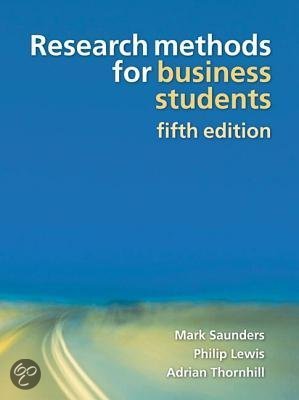
Research Methods For Business Students
8th Edition Mark Saunders, Philip Lewis
Chapters 1 - 14, Complete
3
© Pearson Education Limited 2019
, Contents
Chapters Pages
Introduction 5
1 Business and management research, reflective diaries and the purpose
of this book 15
2 Choosing a research topic and developing your research proposal 19
3 Critically reviewing the literature 23
4 Understanding research philosophy and approaches to theory development27
5 Formulating the research design 32
6 Negotiating access and research ethics 36
7 Selecting samples 40
8 Utilising secondary data 44
9 Collecting data through observation 48
10 Collecting primary data using research interviews and research diaries 54
11 Collecting primary data using questionnaires 59
12 Analysing data quantitatively 63
13 Analysing data qualitatively 68
14 Writing and presenting your project report 72
Appendix 75
1 Research project assignment 75
2 Group poster research project assignment 80
3 Research proposal assignment 84
4 Additional cases on the companion website 89
4
© Pearson Education Limited 2019
, Saunders, Research Methods for Business Students, 8e, Instructor’s Manual
INTRODUCTION
An overview of the instructors’ manual
This instructors’ manual provides commentary for the eighth edition of the textbook
Research Methods for Business Students. The commentary is on a chapter by chapter basis and
includes:
chapter learning outcomes;
summary of the content;
comments on likely student reactions and possible use of materials;
ideas for students’ preparatory work;
suggestions for delivery in the classroom;
ideas for students’ follow-up work.
In addition, we have included a copy of a research project assignment, a group research
project poster assignment and a copy of a dissertation proposal assignment as appendices.
Research Methods for Business – an overview of the eighth edition
Pedagogic features
The over-riding purpose of Research Methods for Business Students is to help undergraduate and
postgraduate students and students on professional courses to undertake research. Each
chapter deals with a part of the research process and discusses the ideas, techniques and
methods using as little jargon as is possible. Tables, checklists and diagrams are used to aid
this discussion. Where new terms are introduced for the first time, they are shown in bold, and
a definition or explanation follows shortly afterwards. They are also listed with a brief
definition in the glossary. The application of appropriate information technology is
considered, in most instances as an integral part of the text. Chapters have been cross-
referenced as appropriate, and an index is provided to help students find their way around
the book.
Focus on student research boxes are included within the text of each chapter. These are
based on actual research projects, undertaken by students, in which points made in the text
are illustrated. In many instances, these worked examples illustrate possible pitfalls
students may come across while undertaking their research. Where a pitfall has been
illustrated, it will, it is hoped, help your students avoid making the same mistake. Further
illustrations are provided by focus on management research and research in the news
boxes.
Focus on management research boxes discuss recent research in business and management.
These are normally derived from refereed academic journal articles, and students are likely
to beable to download the actual articles from online databases at their university.
Focus ion iresearch iin ithe inews iboxes iprovide itopical inews iarticles ithat iillustrate
ipertinent iresearch-related iissues. iAll ithese iwill ihelp istudents ito iunderstand ithe
5
© Pearson Education Limited 2019
, Saunders, Research Methods for Business Students, 8e, Instructor’s Manual
itechnique ior iidea iand ito iassess iits isuitability ior iappropriateness ito itheir iresearch.
iBoxed ichecklists iprovide istudents iwithifurther ifocussed iguidance ifor itheir iown iresearch.
A isummary iof ikey ipoints iat ithe iend iof ieach ichapter ican ibe iused iby istudents ibefore
iand iafter ireading ithe ichapter ito iensure ithat ithey ihave idigested ithe imain ipoints.
Self-check iquestions ienable istudents ito icheck ithey ihave iunderstood ithe ichapter. iThese ican
iall ibe ianswered iwithout irecourse ito iother i(external) iresources. iAnswers iare iprovided
ito iall ithe iself- icheck iquestions iat ithe iend iof ieach ichapter.
Review iand idiscuss iquestions ifollow ithe iself-check iquestions. iThese isuggest ia ivariety iof
iactivities i students i can i undertake i to i help i them i further i develop i their i knowledge i and
i understanding iof ithe imaterial iin ithe ichapter, ioften iinvolving idiscussion iwith ia ifriend.
Self-test imultiple ichoice iquestions iand itrue/false iquestions ifor ieach ichapter iare iavailable
ion ithis ibook’s icompanion iwebsite.
All ichapters iinclude ia isection itowards ithe iend ititled i“Progressing iyour iresearch iproject”
ithat ican ibe iundertaken ias ipart iof ithe istudent’s iresearch iproject. iThese iare ipresented iin
isufficient idetail ito ienable ithem ito ifocus ion ithe itechniques ithat iare imost iappropriate
ito ihis ior iher iresearch. iBy icompleting iall ithese isections, ithe istudent iwill ihave ialso
icompleted ihis ior iher iproject ireport.
Each ichapter iis ialso iaccompanied iby ireferences, ifurther ireading iand ia icase istudy.
Further ireading iis iincluded ifor itwo idistinct ireasons:
to idirect istudents ito iother iwork ion ithe iideas icontained iwithin ithe ichapter;
to i direct i students i to i further i examples i of i research i where i the i ideas i contained i in
i the i chapterihave ibeen iused.
Case istudies iat ithe iend iof ieach ichapter iare iall inew ito ithe ieighth iedition. iThey ihave ibeen
idrawn ifrom ia ivariety iof ibusiness iand imanagement iresearch iscenarios iand ihave ibeen
ibased ion ithe icase istudy’s iauthors’ istudents’ iexperiences iwhen iundertaking ia iresearch
iproject. iThey ihave ibeen iwritten ito ihighlight ireal iissues ithat ioccur iwhen iundertaking
ibusiness iand imanagement iresearch. iTo ihelp ifocus istudents’ ithoughts ior idiscussion ion
isome iof ithe ipertinent iissues, ieach icase iis ifollowed iby ievaluative iquestions, ianswers ito
iwhich iare iprovided ion ithe iInstructors’ iCompanion iWeb iSite. iA icase istudy ifollows
ievery ichapter. iA ifurther i75 icase istudies ifrom iearlier ieditions iof ithe ibook iare iavailable
ion ithe iStudents’ iCompanion iWeb iSite; ianswers ito ithese icases iare iprovided ion ithe
iInstructors’ iCompanion iWeb iSite. iA icomplete ilist iof ithese icases iis iprovided iin
iAppendix i4.
Contents
Chapter i1 ioutlines ithe inature iof iresearch iand, imore ispecifically, iof ibusiness iand
imanagement iresearch. iThe ibasic iversus iapplied iresearch iand irelevance idebates iare
iconsidered iand iadvice ioffered i regarding i keeping i a i reflective i diary i or i notebook. i The
i chapter i concludes i with i an i overview iof ithe ipurpose iand istructure iof ithe ibook.
Chapter i2 iis iwritten ito iassist istudents iin ithe igeneration iof iideas, iwhich iwill ihelp
ithem ito ichoose ia isuitable iresearch itopic, iand ioffers iadvice ion iwhat imakes ia igood
iresearch itopic. iIf iyour istudents ihave ialready ibeen igiven ia iresearch itopic, iperhaps iby
ian iorganisation ior itutor, ithey iwill ineed ito irefine iit iinto ione ithat iis ifeasible iand
ishould istill itherefore iread ithis ichapter. iAfter itheir iidea ihas ibeen igenerated iand
6
© Pearson Education Limited 2019
Research Methods For Business Students
8th Edition Mark Saunders, Philip Lewis
Chapters 1 - 14, Complete
3
© Pearson Education Limited 2019
, Contents
Chapters Pages
Introduction 5
1 Business and management research, reflective diaries and the purpose
of this book 15
2 Choosing a research topic and developing your research proposal 19
3 Critically reviewing the literature 23
4 Understanding research philosophy and approaches to theory development27
5 Formulating the research design 32
6 Negotiating access and research ethics 36
7 Selecting samples 40
8 Utilising secondary data 44
9 Collecting data through observation 48
10 Collecting primary data using research interviews and research diaries 54
11 Collecting primary data using questionnaires 59
12 Analysing data quantitatively 63
13 Analysing data qualitatively 68
14 Writing and presenting your project report 72
Appendix 75
1 Research project assignment 75
2 Group poster research project assignment 80
3 Research proposal assignment 84
4 Additional cases on the companion website 89
4
© Pearson Education Limited 2019
, Saunders, Research Methods for Business Students, 8e, Instructor’s Manual
INTRODUCTION
An overview of the instructors’ manual
This instructors’ manual provides commentary for the eighth edition of the textbook
Research Methods for Business Students. The commentary is on a chapter by chapter basis and
includes:
chapter learning outcomes;
summary of the content;
comments on likely student reactions and possible use of materials;
ideas for students’ preparatory work;
suggestions for delivery in the classroom;
ideas for students’ follow-up work.
In addition, we have included a copy of a research project assignment, a group research
project poster assignment and a copy of a dissertation proposal assignment as appendices.
Research Methods for Business – an overview of the eighth edition
Pedagogic features
The over-riding purpose of Research Methods for Business Students is to help undergraduate and
postgraduate students and students on professional courses to undertake research. Each
chapter deals with a part of the research process and discusses the ideas, techniques and
methods using as little jargon as is possible. Tables, checklists and diagrams are used to aid
this discussion. Where new terms are introduced for the first time, they are shown in bold, and
a definition or explanation follows shortly afterwards. They are also listed with a brief
definition in the glossary. The application of appropriate information technology is
considered, in most instances as an integral part of the text. Chapters have been cross-
referenced as appropriate, and an index is provided to help students find their way around
the book.
Focus on student research boxes are included within the text of each chapter. These are
based on actual research projects, undertaken by students, in which points made in the text
are illustrated. In many instances, these worked examples illustrate possible pitfalls
students may come across while undertaking their research. Where a pitfall has been
illustrated, it will, it is hoped, help your students avoid making the same mistake. Further
illustrations are provided by focus on management research and research in the news
boxes.
Focus on management research boxes discuss recent research in business and management.
These are normally derived from refereed academic journal articles, and students are likely
to beable to download the actual articles from online databases at their university.
Focus ion iresearch iin ithe inews iboxes iprovide itopical inews iarticles ithat iillustrate
ipertinent iresearch-related iissues. iAll ithese iwill ihelp istudents ito iunderstand ithe
5
© Pearson Education Limited 2019
, Saunders, Research Methods for Business Students, 8e, Instructor’s Manual
itechnique ior iidea iand ito iassess iits isuitability ior iappropriateness ito itheir iresearch.
iBoxed ichecklists iprovide istudents iwithifurther ifocussed iguidance ifor itheir iown iresearch.
A isummary iof ikey ipoints iat ithe iend iof ieach ichapter ican ibe iused iby istudents ibefore
iand iafter ireading ithe ichapter ito iensure ithat ithey ihave idigested ithe imain ipoints.
Self-check iquestions ienable istudents ito icheck ithey ihave iunderstood ithe ichapter. iThese ican
iall ibe ianswered iwithout irecourse ito iother i(external) iresources. iAnswers iare iprovided
ito iall ithe iself- icheck iquestions iat ithe iend iof ieach ichapter.
Review iand idiscuss iquestions ifollow ithe iself-check iquestions. iThese isuggest ia ivariety iof
iactivities i students i can i undertake i to i help i them i further i develop i their i knowledge i and
i understanding iof ithe imaterial iin ithe ichapter, ioften iinvolving idiscussion iwith ia ifriend.
Self-test imultiple ichoice iquestions iand itrue/false iquestions ifor ieach ichapter iare iavailable
ion ithis ibook’s icompanion iwebsite.
All ichapters iinclude ia isection itowards ithe iend ititled i“Progressing iyour iresearch iproject”
ithat ican ibe iundertaken ias ipart iof ithe istudent’s iresearch iproject. iThese iare ipresented iin
isufficient idetail ito ienable ithem ito ifocus ion ithe itechniques ithat iare imost iappropriate
ito ihis ior iher iresearch. iBy icompleting iall ithese isections, ithe istudent iwill ihave ialso
icompleted ihis ior iher iproject ireport.
Each ichapter iis ialso iaccompanied iby ireferences, ifurther ireading iand ia icase istudy.
Further ireading iis iincluded ifor itwo idistinct ireasons:
to idirect istudents ito iother iwork ion ithe iideas icontained iwithin ithe ichapter;
to i direct i students i to i further i examples i of i research i where i the i ideas i contained i in
i the i chapterihave ibeen iused.
Case istudies iat ithe iend iof ieach ichapter iare iall inew ito ithe ieighth iedition. iThey ihave ibeen
idrawn ifrom ia ivariety iof ibusiness iand imanagement iresearch iscenarios iand ihave ibeen
ibased ion ithe icase istudy’s iauthors’ istudents’ iexperiences iwhen iundertaking ia iresearch
iproject. iThey ihave ibeen iwritten ito ihighlight ireal iissues ithat ioccur iwhen iundertaking
ibusiness iand imanagement iresearch. iTo ihelp ifocus istudents’ ithoughts ior idiscussion ion
isome iof ithe ipertinent iissues, ieach icase iis ifollowed iby ievaluative iquestions, ianswers ito
iwhich iare iprovided ion ithe iInstructors’ iCompanion iWeb iSite. iA icase istudy ifollows
ievery ichapter. iA ifurther i75 icase istudies ifrom iearlier ieditions iof ithe ibook iare iavailable
ion ithe iStudents’ iCompanion iWeb iSite; ianswers ito ithese icases iare iprovided ion ithe
iInstructors’ iCompanion iWeb iSite. iA icomplete ilist iof ithese icases iis iprovided iin
iAppendix i4.
Contents
Chapter i1 ioutlines ithe inature iof iresearch iand, imore ispecifically, iof ibusiness iand
imanagement iresearch. iThe ibasic iversus iapplied iresearch iand irelevance idebates iare
iconsidered iand iadvice ioffered i regarding i keeping i a i reflective i diary i or i notebook. i The
i chapter i concludes i with i an i overview iof ithe ipurpose iand istructure iof ithe ibook.
Chapter i2 iis iwritten ito iassist istudents iin ithe igeneration iof iideas, iwhich iwill ihelp
ithem ito ichoose ia isuitable iresearch itopic, iand ioffers iadvice ion iwhat imakes ia igood
iresearch itopic. iIf iyour istudents ihave ialready ibeen igiven ia iresearch itopic, iperhaps iby
ian iorganisation ior itutor, ithey iwill ineed ito irefine iit iinto ione ithat iis ifeasible iand
ishould istill itherefore iread ithis ichapter. iAfter itheir iidea ihas ibeen igenerated iand
6
© Pearson Education Limited 2019