Meanwhile back in England
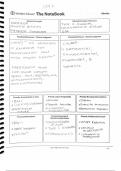
- Dominion of New England, 1684 - 1688
- Appointed governor
- Glorious Revolution, 1688
- Parliament deposed Catholic King James II
- Installed Anglican King William and Queen Mary
- MA Bay Colony had no legal government 1689 - 1692
The Dominion of New England was a period of colonial consolidation in the English
colonies in North America. It was established in 1686 by King James II, who appointed
Sir Edmund Andros as its governor. The Dominion was intended to unify the colonies of
Massachusetts, New Hampshire, Connecticut, Rhode Island, New York, and New
Jersey under a single government, and to enforce the Navigation Acts and other laws
that regulated colonial trade and commerce.
The Dominion was unpopular with colonists, who resented its centralized authority and
the imposition of English laws and taxes. In 1688, the Glorious Revolution in England
led to the overthrow of King James II and the installation of King William and Queen
Mary, who were more tolerant of colonial autonomy. Andros was deposed and sent
back to England, and the Dominion was dissolved.
The collapse of the Dominion left the Massachusetts Bay Colony without a legal
government from 1689 to 1692, a period known as the interregnum. During this time,
local communities and militias took over the functions of government, and there was
widespread disorder and lawlessness. The interregnum came to an end when a new
royal governor, Sir William Phips, was appointed by King William III in 1692.
The legacy of the Dominion of New England was mixed. While it failed to achieve its
goal of consolidating the colonies and enforcing English control, it did establish a
precedent for centralized colonial government that would be influential in the later
development of the United States. The interregnum also highlighted the importance of
local governance and popular participation in government, which would be enshrined
in the American system of federalism and democracy.
The Dominion of New England was established in 1686 by King James II, who sought
to consolidate several New England colonies under a single, centralized government.
Sir Edmund Andros was appointed as the governor of the Dominion and was given
broad authority to enforce the Navigation Acts and other laws designed to increase
royal control over colonial trade.
The creation of the Dominion was deeply unpopular among the colonists, who
resented the loss of their individual rights and local control. Andros also angered
colonists by attempting to restrict town meetings and imposing taxes without their
consent.
- Dominion of New England, 1684 - 1688
- Appointed governor
- Glorious Revolution, 1688
- Parliament deposed Catholic King James II
- Installed Anglican King William and Queen Mary
- MA Bay Colony had no legal government 1689 - 1692
The Dominion of New England was a period of colonial consolidation in the English
colonies in North America. It was established in 1686 by King James II, who appointed
Sir Edmund Andros as its governor. The Dominion was intended to unify the colonies of
Massachusetts, New Hampshire, Connecticut, Rhode Island, New York, and New
Jersey under a single government, and to enforce the Navigation Acts and other laws
that regulated colonial trade and commerce.
The Dominion was unpopular with colonists, who resented its centralized authority and
the imposition of English laws and taxes. In 1688, the Glorious Revolution in England
led to the overthrow of King James II and the installation of King William and Queen
Mary, who were more tolerant of colonial autonomy. Andros was deposed and sent
back to England, and the Dominion was dissolved.
The collapse of the Dominion left the Massachusetts Bay Colony without a legal
government from 1689 to 1692, a period known as the interregnum. During this time,
local communities and militias took over the functions of government, and there was
widespread disorder and lawlessness. The interregnum came to an end when a new
royal governor, Sir William Phips, was appointed by King William III in 1692.
The legacy of the Dominion of New England was mixed. While it failed to achieve its
goal of consolidating the colonies and enforcing English control, it did establish a
precedent for centralized colonial government that would be influential in the later
development of the United States. The interregnum also highlighted the importance of
local governance and popular participation in government, which would be enshrined
in the American system of federalism and democracy.
The Dominion of New England was established in 1686 by King James II, who sought
to consolidate several New England colonies under a single, centralized government.
Sir Edmund Andros was appointed as the governor of the Dominion and was given
broad authority to enforce the Navigation Acts and other laws designed to increase
royal control over colonial trade.
The creation of the Dominion was deeply unpopular among the colonists, who
resented the loss of their individual rights and local control. Andros also angered
colonists by attempting to restrict town meetings and imposing taxes without their
consent.