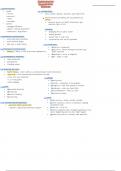
Communication
Documentation
Education
& communication
• modes >
- confidentiality
- written • name, number, address, treaments, past health info
- electronic
- verbal A health insurance portability and accountability act
(HIPPA)
- nonverbal • protects security of health information, give
• barriers patients rights to info
- language difference
- speech / hearing impairment breaches
- medication / drug effects • displaying info on public screen
• sharing printers
3 interpreter communication • patient info in trash cans
• avoid using family members • conversations that can be overheard
• avoid technical jargon
• take time to meet before > SOAP note
• subjective - symptoms
1 therrapeutic communication • objectivve - clinical impression provider sees,
• empahty - ability to look from other's perspective hears, measures
• assessment - arrive at diagnosis
>
- nontherapeutic responses • plan - steps to treat
• false reassurance
• giving advice
• changing subject
>
- educating the client
• health literacy - client's ability to understand basic health information
• teach back - client demonstrates educational info back
- start with most important > ISBARR
- 2 to 4 key points • identity/intro
- plain language • situation - statement of the problem
• background - brief info related to situation
> OARS
-
• open-ended questions • assessment - what you found/think
• affirmations • reccommendation - what you want
• reflective listening • read back of orders
• summarizing >
- IPASS
• illness severity - stable, watcher, unstable
>
- documenting and reporting • patient summary - events to admission, ongoing
• electronic health record (EHR) assessment, plan
- systemic, digitzed documentation system • action list - to do list
• situation awareness and contingency planning - know
what's happening, plan for what might happen
• synthesis by reciever - restates, asks questions
Documentation
Education
& communication
• modes >
- confidentiality
- written • name, number, address, treaments, past health info
- electronic
- verbal A health insurance portability and accountability act
(HIPPA)
- nonverbal • protects security of health information, give
• barriers patients rights to info
- language difference
- speech / hearing impairment breaches
- medication / drug effects • displaying info on public screen
• sharing printers
3 interpreter communication • patient info in trash cans
• avoid using family members • conversations that can be overheard
• avoid technical jargon
• take time to meet before > SOAP note
• subjective - symptoms
1 therrapeutic communication • objectivve - clinical impression provider sees,
• empahty - ability to look from other's perspective hears, measures
• assessment - arrive at diagnosis
>
- nontherapeutic responses • plan - steps to treat
• false reassurance
• giving advice
• changing subject
>
- educating the client
• health literacy - client's ability to understand basic health information
• teach back - client demonstrates educational info back
- start with most important > ISBARR
- 2 to 4 key points • identity/intro
- plain language • situation - statement of the problem
• background - brief info related to situation
> OARS
-
• open-ended questions • assessment - what you found/think
• affirmations • reccommendation - what you want
• reflective listening • read back of orders
• summarizing >
- IPASS
• illness severity - stable, watcher, unstable
>
- documenting and reporting • patient summary - events to admission, ongoing
• electronic health record (EHR) assessment, plan
- systemic, digitzed documentation system • action list - to do list
• situation awareness and contingency planning - know
what's happening, plan for what might happen
• synthesis by reciever - restates, asks questions