Juliana Reddan Cardiac
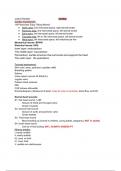
Cardiac Assessment:
“All Physicians Enjoy Taking Money”
● Aortic area: 2nd intercostal space, right sternal border
● Pulmonic area: 2nd intercostal space, left sternal border
● Erb's point: 3rd intercostal space, left sternal border
● Tricuspid area: 4th or 5th intercostal space, left sternal border
● Mitral apex: 5th intercostal space, left midclavicular line
Mechanical issues: BP/HR
Electrical issues: EKG
Inner layer: endocardium
The middle layer: myocardium
Pericardium: saclike structure that surrounds and supports the heart
The outer layer: the epicardium
Focused assessment:
Skin color, temp, perfusion (capillary refill)
Breathing pattern
Edema
Urine output (normal 30-50mlL/h)
Jugular veins
Pulses/ blood pressure
PMI
CXR (shows silhouette)
Echocardiogram (ultrasound of heart, looks for size of ventricles, blood flow, and EF)
Normal heart sounds:
S1: first heart sound; “LUB”
- Closure of mitral and tricuspid valve
- Onset of systole
S2: second heart sound
- Closure of aortic and pulmonic valve
- Onset diastole
S3: Third heart sound
- Blood backing up (normal in children, young adults, pregnancy, NOT in adults)
S4: fourth heart sound
- Can be r/t fluid buildup (HF), ALWAYS ASSESS PT
Murmur grades:
I: barely audible
II: easily audible
III: Loud, no thrill
IV: Loud, thrill
V: audible w/o stethoscope
,Friction rub:
- Grating or scratching sound (r/t pericarditis)
Cardiac Output: HR X stroke volume
● Amount of blood ejected by left ventricle in 1 minute
● Normal range: 4-8L/min
Preload: “pre filling” of ventricles (stretch), volume of ventricles at end of diastole
To increase preload: Give fluids
To decrease preload: Give diuretics, vasodilators (Patients with HF have a higher preload)
Afterload: ejection of blood/ resistance into higher pressure environment
High afterload: causes by systemic hypertension
Contractility: contraction strength
Stroke volume: amount of blood pumped out with each contraction/ beat
To increase cardiac output: increase stroke volume or heart rate (fluids: LR)
Franking starling Law: bigger the stretch = more amount of blood = higher blood pressure
Decreased cardiac output signs:
Confusion
No urine output
Low oxygenation
Heart rate: 60-100 bpm
Variations:
- Athletes
- Sleeping
- Medications (antiarrhythmic meds slow hr overtime)
- CHECK IF PATIENT IS SYMPTOMATIC! (Dizzy, lethargic, SOB, clammy)
Sympathetic nervous system: fight or flight (increased BP, HR, RR,)
Parasympathetic nervous system: relaxation (benzos, beta blockers)
Vasovagal response: bearing down/ blowing through straw = decreases tachy arrhythmias
Mean arterial pressure (MAP): SBP+2(DBP) / 3
Normal range: 70-105 mmHg (is patient perfusing enough to supply enough blood/O2)
<65 = not enough perfusion
>110 = muscular/vascular thickening, tension, stress
Arterial blood pressure: “A line”
- Measures BP from catheter placed in artery
, Special considerations for cardiac assessment/ age related changes:
● Age: older adults can have slower HR due to antiarrhythmics(not symptomatic = monitor)
● African americans: higher prevalence of HTN
● Diet, smoking, exercise = higher incidence of comorbidities
● Nicotine use: increases MI and stroke risk
● Women: problems occur later than man, more vague symptoms than men
● Genetics (family hx) = unmodifiable risk factors
● Older age = cardiac hypertrophy = decreased contractility and stretch
● Prolonged PR interval (first degree AV block), or bundle branch block common in older
adults ( taking antiarrhythmics) = normal process, not priority
Lipid profile done: 12 hours after fasting
Serum cholesterol:
LDL: <100-120 mg/dL (high LDL = MI/stroke/ HTN risk)
HDL: >60 mg/dL
Total: <200 mg/dL
Cardiac Vasculature:
Right coronary artery: blood to right atrium and right ventricle, bottom of left ventricle
(Inferior wall MI)
Left coronary artery: divides in circumflex, and left anterior descending artery
Circumflex: blood to left atrium, back of left ventricle
Left anterior descending: blood to front and bottom of left ventricle (Anterior wall MI = worst)
Coronary veins: returns deoxygenated blood back to right atrium
Cardiac Assessment:
“All Physicians Enjoy Taking Money”
● Aortic area: 2nd intercostal space, right sternal border
● Pulmonic area: 2nd intercostal space, left sternal border
● Erb's point: 3rd intercostal space, left sternal border
● Tricuspid area: 4th or 5th intercostal space, left sternal border
● Mitral apex: 5th intercostal space, left midclavicular line
Mechanical issues: BP/HR
Electrical issues: EKG
Inner layer: endocardium
The middle layer: myocardium
Pericardium: saclike structure that surrounds and supports the heart
The outer layer: the epicardium
Focused assessment:
Skin color, temp, perfusion (capillary refill)
Breathing pattern
Edema
Urine output (normal 30-50mlL/h)
Jugular veins
Pulses/ blood pressure
PMI
CXR (shows silhouette)
Echocardiogram (ultrasound of heart, looks for size of ventricles, blood flow, and EF)
Normal heart sounds:
S1: first heart sound; “LUB”
- Closure of mitral and tricuspid valve
- Onset of systole
S2: second heart sound
- Closure of aortic and pulmonic valve
- Onset diastole
S3: Third heart sound
- Blood backing up (normal in children, young adults, pregnancy, NOT in adults)
S4: fourth heart sound
- Can be r/t fluid buildup (HF), ALWAYS ASSESS PT
Murmur grades:
I: barely audible
II: easily audible
III: Loud, no thrill
IV: Loud, thrill
V: audible w/o stethoscope
,Friction rub:
- Grating or scratching sound (r/t pericarditis)
Cardiac Output: HR X stroke volume
● Amount of blood ejected by left ventricle in 1 minute
● Normal range: 4-8L/min
Preload: “pre filling” of ventricles (stretch), volume of ventricles at end of diastole
To increase preload: Give fluids
To decrease preload: Give diuretics, vasodilators (Patients with HF have a higher preload)
Afterload: ejection of blood/ resistance into higher pressure environment
High afterload: causes by systemic hypertension
Contractility: contraction strength
Stroke volume: amount of blood pumped out with each contraction/ beat
To increase cardiac output: increase stroke volume or heart rate (fluids: LR)
Franking starling Law: bigger the stretch = more amount of blood = higher blood pressure
Decreased cardiac output signs:
Confusion
No urine output
Low oxygenation
Heart rate: 60-100 bpm
Variations:
- Athletes
- Sleeping
- Medications (antiarrhythmic meds slow hr overtime)
- CHECK IF PATIENT IS SYMPTOMATIC! (Dizzy, lethargic, SOB, clammy)
Sympathetic nervous system: fight or flight (increased BP, HR, RR,)
Parasympathetic nervous system: relaxation (benzos, beta blockers)
Vasovagal response: bearing down/ blowing through straw = decreases tachy arrhythmias
Mean arterial pressure (MAP): SBP+2(DBP) / 3
Normal range: 70-105 mmHg (is patient perfusing enough to supply enough blood/O2)
<65 = not enough perfusion
>110 = muscular/vascular thickening, tension, stress
Arterial blood pressure: “A line”
- Measures BP from catheter placed in artery
, Special considerations for cardiac assessment/ age related changes:
● Age: older adults can have slower HR due to antiarrhythmics(not symptomatic = monitor)
● African americans: higher prevalence of HTN
● Diet, smoking, exercise = higher incidence of comorbidities
● Nicotine use: increases MI and stroke risk
● Women: problems occur later than man, more vague symptoms than men
● Genetics (family hx) = unmodifiable risk factors
● Older age = cardiac hypertrophy = decreased contractility and stretch
● Prolonged PR interval (first degree AV block), or bundle branch block common in older
adults ( taking antiarrhythmics) = normal process, not priority
Lipid profile done: 12 hours after fasting
Serum cholesterol:
LDL: <100-120 mg/dL (high LDL = MI/stroke/ HTN risk)
HDL: >60 mg/dL
Total: <200 mg/dL
Cardiac Vasculature:
Right coronary artery: blood to right atrium and right ventricle, bottom of left ventricle
(Inferior wall MI)
Left coronary artery: divides in circumflex, and left anterior descending artery
Circumflex: blood to left atrium, back of left ventricle
Left anterior descending: blood to front and bottom of left ventricle (Anterior wall MI = worst)
Coronary veins: returns deoxygenated blood back to right atrium