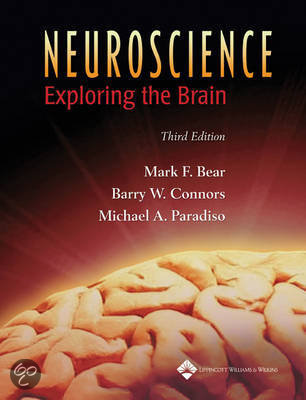
TEST BANK N
NEUROSCIENCE:
N Exploring the BrainN N
4th Edition, Mark Bear
N N N
TEST BANK N
,TestNBankNForNNeuroscience:NExploringNTheNBrain,N4thNEdition
TableNofNContents:
PartN 1N Foundations
ChapterN 1N Neuroscience:NPast,NPresent,NandNFuture
ChapterN 2N NeuronsNandNGlia
ChapterN 3N TheNNeuronalNMembraneNatNRest
ChapterN 4N TheNActionNPotential
ChapterN 5N SynapticNTransmission
ChapterN 6N NeurotransmitterNSystems
ChapterN 7N TheNStructureNofNtheNNervousNSystem
AppendixN AnNIllustratedNGuideNtoNHumanNNeuroanatomy
PartN 2N SensoryNandNMotorNSystems
ChapterN 8N TheNChemicalNSenses
ChapterN9N TheNEye
ChapterN 10N TheNCentralNVisualNSystem
ChapterN 11N TheNAuditoryNandNVestibularNSystems
ChapterN 12N TheNSomaticNSensoryNSystem
ChapterN 13N SpinalNControlNofNMovement
ChapterN14N BrainNControlNofNMovement
PartN 3N TheNBrainNandNBehavior
ChapterN 15N ChemicalNControlNofNtheNBrainNandNBehavior
ChapterN 16N Motivation
ChapterN 17N SexNandNtheNBrain
ChapterN 18N BrainNMechanismsNofNEmotion
ChapterN 19N BrainNRhythmsNandNSleep
ChapterN 20N Language
ChapterN 21N TheNRestingNBrain,NAttention,NandNConsciousness
ChapterN22N MentalNIllness
PartN 4N TheNChangingNBrain
ChapterN 23N WiringNtheNBrain
ChapterN 24N MemoryNSystems
ChapterN 25N MolecularNMechanismsNofNLearningNandNMemory
,ChapterN1:NNeuroscience:NPast,NPresent,NandNFutureNNeurosci
ence:NExploringNtheNBrain,N4thN EditionNBearNTestNBank
1. WhyNareNaNbroadNperspectiveNandNanNinterdisciplinaryNapproachNrequiredNf
orNunderstandingNtheNbrain?NChooseNtheNcorrectNoption.
A) UnderstandingNtheNbrainNisNaNfocusedNareaNinNnaturalNscienceNwithNtheNbrainNservi
ngNasNtheNcommonNpointNofNfocus.
B) UnderstandingNtheNbrainNrequiresNknowledgeNaboutNmanyNthings,NfromNtheNstructur
eNofNtheNwaterNmoleculeNtoNtheNelectricalNandNchemicalNpropertiesNofNtheNbrain.
C) UnderstandingNtheNbrainNrequiresNtheNstudyNofNtheNdifferentNspeciesNofNtheNbrain.
D) UnderstandingNtheNbrainNrequiresNtheNanalysisNofNoneNapproachNatNaNtimeNtoNyield
NaNnewNsynthesis.
2. Galen'sNstudyNofNsheepNbrainsNwasNtheNbasisNforNaNtheoryNofNbrainNfunctionNthatNprevailed
forNalmostN1500Nyears.NWhichNofNtheNfollowingNrepresentsNthisNview?NChooseNtheNcorre
ctNoption.
A) TheNheartNasNtheNcenterNofNintellectNandNtheNbrainNasNtheNcoolingNsystem
B) LocalizationNofNbrainNfunctionNinNtheNcerebrumNandNcerebellum
C) Mind–brainNduality
D) ParcelingNtheNcerebrumNintoNlobes
3. WhatNisN“mind–brainNproblem”?NChooseNtheNcorrectNoption.
A) Individually,NhumanNmentalNcapacitiesNexistNinNtheNmindNthatNisNoutsideNtheNbrain.
B) TheNmindNisNtheNsameNasNtheNbrain.
C) BothNanimalsNandNpeopleNpossessNintellectNandNaNGod-givenNsoul.
D) TheNpinealNglandNisNaNspiritualNentity.
4. WhatNnotionNwasNdisplacedNbyNtheNconceptNofNnervesNbeingNdescribedNasNwires?NChoo
seNtheNcorrectNoption.
A) NervesNareNchannelsNthatNcommunicateNwithNtheNbrainNbyNtheNmovementNofNfluids.
B) MusclesNcanNbeNtwitchedNwhenNnervesNareNstimulatedNelectricallyNandNtheNbrainNitse
lfNmayNgenerateNelectricity.
C) SignalsNtoNtheNmusclesNcausingNmovementNuseNtheNsameNwiresNasNthoseNthatNregist
erNsensationsNfromNtheNskin.
D) NervesNconductNelectricalNsignalsNtoNandNfromNtheNbrain.
5. TheNcombinedNworkNofNBellNandNMagendieNrevealedNaNfundamentalNfactNaboutNtheNspin
alNnerves.NChooseNtheNcorrectNoption.
A) SpinalNnervesNareNmyelinated.
B) SpinalNnervesNareNbundlesNofNsensoryNandNmotorNnerves,NandNinNeachNsensoryNa
ndNmotorNnerveNfiber,NtransmissionNisNstrictlyNone-way.
C) SpinalNnervesNareNnotNhollowNtubesNcarryingNfluid.
D) BothNhumansNandNanimalsNhaveNspinalNnerves.
PageN1
, 6. ForNwhatNpurposeNdidNFranzNJosephNGallNstudyNtheNdimensionsNofNtheNhumanNhead?
ChooseNtheNcorrectNoption.
A) ToNunderstandNtheNpropensityNforNcertainNpersonalityNtraits
B) ToNdemonstrateNequalNparticipationNofNallNregionsNofNtheNbrainNinNallNcerebr
alNfunctions
C) ToNshowNthatNnervesNconductNelectricalNsignalsNtoNandNfromNtheNbrain
D) ToNshowNthatNuniqueNhumanNmentalNcapabilitiesNexistNoutsideNtheNbrain
7. OnNwhatNbasisNdidNBrocaNdefendNfunctionalNlocalizationNofNtheNbrain?NChooseNtheNcorre
ctNoption.
A) ByNestablishingNaNrelationshipNbetweenNtheNproductionNofNspeechNandNtheNrig
htNfrontalNlobe
B) ByNestablishingNaNrelationshipNbetweenNtheNproductionNofNspeechNandNtheNoccipit
alNlobe
C) ByNestablishingNaNrelationshipNbetweenNtheNproductionNofNspeechNandNtheNleftNfront
alNlobe
D) ByNestablishingNaNrelationshipNbetweenNtheNproductionNofNspeechNandNtheNcerebellum
8. ToNwhomNcanNweNattributeNtheNtheoryNthatNbehaviorNisNamongNtheNheritableNtraitsNthatNc
anNdevelop?NChooseNtheNcorrectNoption.
A) Marie-Jean-PierreNFlourens
B) CharlesNDarwin
C) GustavNFritschNandNEdwardNHitzig
D) FranzNJosephNGall
9. WhichNofNtheNfollowingNisNaNcorrectNexplanationNofNaNdisorderNthatNaffectsNtheNnervo
usNsystem?NChooseNtheNcorrectNoption.
A) CerebralNpalsyNisNaNmotorNdisorderNcausedNbyNdamageNtoNtheNcerebrumNbefor
e,Nduring,NorNsoonNafterNbirth.
B) EpilepsyNisNaNprogressiveNdiseaseNthatNaffectsNnerveNconduction,NcharacterizedNb
yNepisodesNofNweakness,NlackNofNcoordination,NandNspeechNdisturbance.
C) StrokeNinvolvesNaNlossNofNfeelingNandNmovementNcausedNbyNtraumaticNdamageNtoNt
heNspinalNcord.
D) Alzheimer'sNdiseaseNisNaNsevereNpsychoticNillnessNcharacterizedNbyNdelusion
s,Nhallucinations,NandNbizarreNbehavior.
PageN2
NEUROSCIENCE:
N Exploring the BrainN N
4th Edition, Mark Bear
N N N
TEST BANK N
,TestNBankNForNNeuroscience:NExploringNTheNBrain,N4thNEdition
TableNofNContents:
PartN 1N Foundations
ChapterN 1N Neuroscience:NPast,NPresent,NandNFuture
ChapterN 2N NeuronsNandNGlia
ChapterN 3N TheNNeuronalNMembraneNatNRest
ChapterN 4N TheNActionNPotential
ChapterN 5N SynapticNTransmission
ChapterN 6N NeurotransmitterNSystems
ChapterN 7N TheNStructureNofNtheNNervousNSystem
AppendixN AnNIllustratedNGuideNtoNHumanNNeuroanatomy
PartN 2N SensoryNandNMotorNSystems
ChapterN 8N TheNChemicalNSenses
ChapterN9N TheNEye
ChapterN 10N TheNCentralNVisualNSystem
ChapterN 11N TheNAuditoryNandNVestibularNSystems
ChapterN 12N TheNSomaticNSensoryNSystem
ChapterN 13N SpinalNControlNofNMovement
ChapterN14N BrainNControlNofNMovement
PartN 3N TheNBrainNandNBehavior
ChapterN 15N ChemicalNControlNofNtheNBrainNandNBehavior
ChapterN 16N Motivation
ChapterN 17N SexNandNtheNBrain
ChapterN 18N BrainNMechanismsNofNEmotion
ChapterN 19N BrainNRhythmsNandNSleep
ChapterN 20N Language
ChapterN 21N TheNRestingNBrain,NAttention,NandNConsciousness
ChapterN22N MentalNIllness
PartN 4N TheNChangingNBrain
ChapterN 23N WiringNtheNBrain
ChapterN 24N MemoryNSystems
ChapterN 25N MolecularNMechanismsNofNLearningNandNMemory
,ChapterN1:NNeuroscience:NPast,NPresent,NandNFutureNNeurosci
ence:NExploringNtheNBrain,N4thN EditionNBearNTestNBank
1. WhyNareNaNbroadNperspectiveNandNanNinterdisciplinaryNapproachNrequiredNf
orNunderstandingNtheNbrain?NChooseNtheNcorrectNoption.
A) UnderstandingNtheNbrainNisNaNfocusedNareaNinNnaturalNscienceNwithNtheNbrainNservi
ngNasNtheNcommonNpointNofNfocus.
B) UnderstandingNtheNbrainNrequiresNknowledgeNaboutNmanyNthings,NfromNtheNstructur
eNofNtheNwaterNmoleculeNtoNtheNelectricalNandNchemicalNpropertiesNofNtheNbrain.
C) UnderstandingNtheNbrainNrequiresNtheNstudyNofNtheNdifferentNspeciesNofNtheNbrain.
D) UnderstandingNtheNbrainNrequiresNtheNanalysisNofNoneNapproachNatNaNtimeNtoNyield
NaNnewNsynthesis.
2. Galen'sNstudyNofNsheepNbrainsNwasNtheNbasisNforNaNtheoryNofNbrainNfunctionNthatNprevailed
forNalmostN1500Nyears.NWhichNofNtheNfollowingNrepresentsNthisNview?NChooseNtheNcorre
ctNoption.
A) TheNheartNasNtheNcenterNofNintellectNandNtheNbrainNasNtheNcoolingNsystem
B) LocalizationNofNbrainNfunctionNinNtheNcerebrumNandNcerebellum
C) Mind–brainNduality
D) ParcelingNtheNcerebrumNintoNlobes
3. WhatNisN“mind–brainNproblem”?NChooseNtheNcorrectNoption.
A) Individually,NhumanNmentalNcapacitiesNexistNinNtheNmindNthatNisNoutsideNtheNbrain.
B) TheNmindNisNtheNsameNasNtheNbrain.
C) BothNanimalsNandNpeopleNpossessNintellectNandNaNGod-givenNsoul.
D) TheNpinealNglandNisNaNspiritualNentity.
4. WhatNnotionNwasNdisplacedNbyNtheNconceptNofNnervesNbeingNdescribedNasNwires?NChoo
seNtheNcorrectNoption.
A) NervesNareNchannelsNthatNcommunicateNwithNtheNbrainNbyNtheNmovementNofNfluids.
B) MusclesNcanNbeNtwitchedNwhenNnervesNareNstimulatedNelectricallyNandNtheNbrainNitse
lfNmayNgenerateNelectricity.
C) SignalsNtoNtheNmusclesNcausingNmovementNuseNtheNsameNwiresNasNthoseNthatNregist
erNsensationsNfromNtheNskin.
D) NervesNconductNelectricalNsignalsNtoNandNfromNtheNbrain.
5. TheNcombinedNworkNofNBellNandNMagendieNrevealedNaNfundamentalNfactNaboutNtheNspin
alNnerves.NChooseNtheNcorrectNoption.
A) SpinalNnervesNareNmyelinated.
B) SpinalNnervesNareNbundlesNofNsensoryNandNmotorNnerves,NandNinNeachNsensoryNa
ndNmotorNnerveNfiber,NtransmissionNisNstrictlyNone-way.
C) SpinalNnervesNareNnotNhollowNtubesNcarryingNfluid.
D) BothNhumansNandNanimalsNhaveNspinalNnerves.
PageN1
, 6. ForNwhatNpurposeNdidNFranzNJosephNGallNstudyNtheNdimensionsNofNtheNhumanNhead?
ChooseNtheNcorrectNoption.
A) ToNunderstandNtheNpropensityNforNcertainNpersonalityNtraits
B) ToNdemonstrateNequalNparticipationNofNallNregionsNofNtheNbrainNinNallNcerebr
alNfunctions
C) ToNshowNthatNnervesNconductNelectricalNsignalsNtoNandNfromNtheNbrain
D) ToNshowNthatNuniqueNhumanNmentalNcapabilitiesNexistNoutsideNtheNbrain
7. OnNwhatNbasisNdidNBrocaNdefendNfunctionalNlocalizationNofNtheNbrain?NChooseNtheNcorre
ctNoption.
A) ByNestablishingNaNrelationshipNbetweenNtheNproductionNofNspeechNandNtheNrig
htNfrontalNlobe
B) ByNestablishingNaNrelationshipNbetweenNtheNproductionNofNspeechNandNtheNoccipit
alNlobe
C) ByNestablishingNaNrelationshipNbetweenNtheNproductionNofNspeechNandNtheNleftNfront
alNlobe
D) ByNestablishingNaNrelationshipNbetweenNtheNproductionNofNspeechNandNtheNcerebellum
8. ToNwhomNcanNweNattributeNtheNtheoryNthatNbehaviorNisNamongNtheNheritableNtraitsNthatNc
anNdevelop?NChooseNtheNcorrectNoption.
A) Marie-Jean-PierreNFlourens
B) CharlesNDarwin
C) GustavNFritschNandNEdwardNHitzig
D) FranzNJosephNGall
9. WhichNofNtheNfollowingNisNaNcorrectNexplanationNofNaNdisorderNthatNaffectsNtheNnervo
usNsystem?NChooseNtheNcorrectNoption.
A) CerebralNpalsyNisNaNmotorNdisorderNcausedNbyNdamageNtoNtheNcerebrumNbefor
e,Nduring,NorNsoonNafterNbirth.
B) EpilepsyNisNaNprogressiveNdiseaseNthatNaffectsNnerveNconduction,NcharacterizedNb
yNepisodesNofNweakness,NlackNofNcoordination,NandNspeechNdisturbance.
C) StrokeNinvolvesNaNlossNofNfeelingNandNmovementNcausedNbyNtraumaticNdamageNtoNt
heNspinalNcord.
D) Alzheimer'sNdiseaseNisNaNsevereNpsychoticNillnessNcharacterizedNbyNdelusion
s,Nhallucinations,NandNbizarreNbehavior.
PageN2