

Chapter 7: Unemployment
Unemployment:
❖ Types of Unemployment:
➢ Structural
➢ Frictional
➢ Cyclical
❖ Interpreting Unemployment:
➢ Ways to look at unemployment
➢ Shortcomings
Key Terms:
❖ Unemployment: when a worker who is not currently employed is searching for a job without
success
❖ Unemployment Rate (u): the percentage of the labor force that is unemployed
Structural Unemployment:
❖ Unemployment caused by changed in the industrial makeup of the economy
➢ Cause: creative destruction
■ Example” decline in bookstores leading to job losses in the book sale industry
❖ Creative Destruction: when the introduction of new products and technologies leads to the end
of other industries and jobs.
➢ The term was first coined by Joseph Schumpeter to describe the process of economic
evolution: as new industries are created, some old ones are destroyed.
➢ Although it leads to unemployment, it is often a sign of a healthy, growing economy.
■ Example: book industry
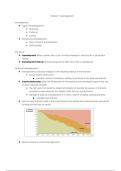
❖ Over the past 200 years, jobs in the United States have evolved from being primarily agricultural
to industrial and then to service.
❖ Ways to reduce structural unemployment:
, ➢ Workers must retain, reeducate, relocate, or change expectations about work and pay.
➢ The government can help with training programs or relocation subsidies.
Luddites:
❖ Luddites:
➢ Nineteenth-century English textile workers
➢ Destroyed automated looms that could be operated cheaply to produce clothing
❖ Goal:
➢ Trying to protect themselves from structural unemployment
❖ Question to think about:
➢ The industrial revolution left many people structurally unemployed. What are the
trade-offs of technological progress and structural unemployment?
Practice What You Know?
1. Which of the following is an example of structural unemployment?
a. Alfred the welder is unemployed because the plant where he once worked now uses
robots.
b. Macy the construction worker is unemployed because no one is building houses right
now.
c. Lucy the restaurant chef is unemployed because she and her wife recently moved to a
new city.
Frictional Unemployment:
❖ Frictional Unemployment: unemployment caused by delays in matching available jobs and
workers.
➢ No matter how healthy the economy, there is always frictional unemployment.
■ Example: recent college graduate
❖ Causes:
➢ Information Availability:
■ Any factors that shorten job searches also decrease frictional unemployment.
➢ Government Policies:
■ Any factors that lengthen the job search process increase frictional
unemployment.
❖ Government Policies:
➢ Unemployment insurancee and incentives
➢ Regulations on hiring and firing
Practice What You Know?
2. Which of the following is an example of frictional unemployment?
Unemployment:
❖ Types of Unemployment:
➢ Structural
➢ Frictional
➢ Cyclical
❖ Interpreting Unemployment:
➢ Ways to look at unemployment
➢ Shortcomings
Key Terms:
❖ Unemployment: when a worker who is not currently employed is searching for a job without
success
❖ Unemployment Rate (u): the percentage of the labor force that is unemployed
Structural Unemployment:
❖ Unemployment caused by changed in the industrial makeup of the economy
➢ Cause: creative destruction
■ Example” decline in bookstores leading to job losses in the book sale industry
❖ Creative Destruction: when the introduction of new products and technologies leads to the end
of other industries and jobs.
➢ The term was first coined by Joseph Schumpeter to describe the process of economic
evolution: as new industries are created, some old ones are destroyed.
➢ Although it leads to unemployment, it is often a sign of a healthy, growing economy.
■ Example: book industry
❖ Over the past 200 years, jobs in the United States have evolved from being primarily agricultural
to industrial and then to service.
❖ Ways to reduce structural unemployment:
, ➢ Workers must retain, reeducate, relocate, or change expectations about work and pay.
➢ The government can help with training programs or relocation subsidies.
Luddites:
❖ Luddites:
➢ Nineteenth-century English textile workers
➢ Destroyed automated looms that could be operated cheaply to produce clothing
❖ Goal:
➢ Trying to protect themselves from structural unemployment
❖ Question to think about:
➢ The industrial revolution left many people structurally unemployed. What are the
trade-offs of technological progress and structural unemployment?
Practice What You Know?
1. Which of the following is an example of structural unemployment?
a. Alfred the welder is unemployed because the plant where he once worked now uses
robots.
b. Macy the construction worker is unemployed because no one is building houses right
now.
c. Lucy the restaurant chef is unemployed because she and her wife recently moved to a
new city.
Frictional Unemployment:
❖ Frictional Unemployment: unemployment caused by delays in matching available jobs and
workers.
➢ No matter how healthy the economy, there is always frictional unemployment.
■ Example: recent college graduate
❖ Causes:
➢ Information Availability:
■ Any factors that shorten job searches also decrease frictional unemployment.
➢ Government Policies:
■ Any factors that lengthen the job search process increase frictional
unemployment.
❖ Government Policies:
➢ Unemployment insurancee and incentives
➢ Regulations on hiring and firing
Practice What You Know?
2. Which of the following is an example of frictional unemployment?


