Chapter 24: Origin of Species
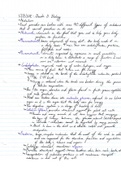
The biological species concept emphasizes reproductive isolation
o A biological species is a group of populations whose individuals may interbreed
and produce viable, fertile offspring with each other but not with members of
other species.
o New species form when reproductive isolation between populations develops
through the establishment of prezygotic or postzygotic barriers that separate gene
pools.
Speciation can take place with or without geographic separation
o In allopatric speciation, gene flow is reduced when two populations of one species
become geographically separated from each other. One or both populations may
undergo evolutionary change during the period of separation, resulting in the
establishment of barriers to reproduction.
o In sympatric speciation, a new species originates while remaining in the same
geographic area as the parent species. Plant species (and, more rarely, animal
species) have evolved sympatrically through polyploidy. Sympatric speciation can
also result from sexual selection and habitat shifts.
Hybrid zones reveal factors that cause reproductive isolation
o Many groups of organisms form hybrid zones in which members of different
species meet and mate, producing at least some offspring of mixed ancestry.
o Many hybrid zones are stable, in that hybrid offspring continue to be produced
over time. In others, reinforcement strengthens prezygotic barriers to
reproduction, thus decreasing the formation of unfit hybrids. In still other hybrid
zones, barriers to reproduction may weaken over time, resulting in the fusion of
the species’ gene pools (reversing the speciation process).
Speciation can occur rapidly or slowly and can result from changes in few or many genes
o New species can form rapidly once divergence begins, but it can take millions of
years for that to happen. The time interval between speciation events varies
considerably, from a few thousand years to tens of millions of years.
The biological species concept emphasizes reproductive isolation
o A biological species is a group of populations whose individuals may interbreed
and produce viable, fertile offspring with each other but not with members of
other species.
o New species form when reproductive isolation between populations develops
through the establishment of prezygotic or postzygotic barriers that separate gene
pools.
Speciation can take place with or without geographic separation
o In allopatric speciation, gene flow is reduced when two populations of one species
become geographically separated from each other. One or both populations may
undergo evolutionary change during the period of separation, resulting in the
establishment of barriers to reproduction.
o In sympatric speciation, a new species originates while remaining in the same
geographic area as the parent species. Plant species (and, more rarely, animal
species) have evolved sympatrically through polyploidy. Sympatric speciation can
also result from sexual selection and habitat shifts.
Hybrid zones reveal factors that cause reproductive isolation
o Many groups of organisms form hybrid zones in which members of different
species meet and mate, producing at least some offspring of mixed ancestry.
o Many hybrid zones are stable, in that hybrid offspring continue to be produced
over time. In others, reinforcement strengthens prezygotic barriers to
reproduction, thus decreasing the formation of unfit hybrids. In still other hybrid
zones, barriers to reproduction may weaken over time, resulting in the fusion of
the species’ gene pools (reversing the speciation process).
Speciation can occur rapidly or slowly and can result from changes in few or many genes
o New species can form rapidly once divergence begins, but it can take millions of
years for that to happen. The time interval between speciation events varies
considerably, from a few thousand years to tens of millions of years.