L7: CELL DEATH [10/10/2022]
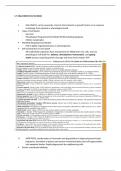
I. CELL DEATH: can be caused by a lack of vital nutrients or growth factors or in response
to damage from physical or physiological insult.
Types of Cell Death:
- Necrosis
- Physiological Programmed Cell Death (PCD) including Apoptosis
- Mitotic Catastrophe
PCD/RCD (Regulated Cell Death)
- PCD is tightly regulated process in embryogenesis
Cell orchestrates its own death
- All multicellular organisms have mechanisms for killing their own cells, and use
physiological cell death for: defence, development, homeostasis, and ageing
- Active process requiring protein cleavage and many forms require ATP.
II. APOPTOSIS: condensation of chromatin and degradation in oligonucleosomal-sized
fragments, formation of plasma and nuclear membrane blebs and cell fragmentation
into apoptotic bodies. Rapid phagocytosis by neighbouring cells.
Zeiosis: membrane blebbing
I. CELL DEATH: can be caused by a lack of vital nutrients or growth factors or in response
to damage from physical or physiological insult.
Types of Cell Death:
- Necrosis
- Physiological Programmed Cell Death (PCD) including Apoptosis
- Mitotic Catastrophe
PCD/RCD (Regulated Cell Death)
- PCD is tightly regulated process in embryogenesis
Cell orchestrates its own death
- All multicellular organisms have mechanisms for killing their own cells, and use
physiological cell death for: defence, development, homeostasis, and ageing
- Active process requiring protein cleavage and many forms require ATP.
II. APOPTOSIS: condensation of chromatin and degradation in oligonucleosomal-sized
fragments, formation of plasma and nuclear membrane blebs and cell fragmentation
into apoptotic bodies. Rapid phagocytosis by neighbouring cells.
Zeiosis: membrane blebbing