CONFLICT MANAGEMENT
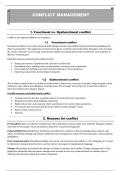
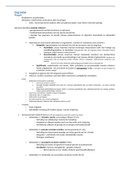
1. Functional vs. Dysfunctional conflict
Conflict is the negative differences of opinion.
1.1 Functional conflict
Functional conflict occurs when parties handle disagreements respectfully, listening and acknowledging each
other's perspectives. This approach can foster innovation, creativity, and productivity. Managers may even play
the "devil's advocate" to encourage constructive conflict, promoting team unity as members work together to
defend a common goal.
Potential outcomes of functional conflict include:
• Raising awareness of problems that can then be addressed.
• Broadening ideas, leading to more participation, creativity, and productivity.
• Discussing and clarifying any inaccurate perceptions or misconceptions.
• Improving cooperation by clarifying viewpoints.
1.2 Dysfunctional conflict
This is when conflict leads to a decline in productivity. It often occurs because of people’s misperceptions, their
ambitions, egos and/or unwillingness to compromise. The manager must step in to ensure that conflict is
solved to minimize the negative impact.
Possible outcomes of dysfunctional conflict:
• Creating mistrust that has a negative impact on teamwork and cooperation.
• Blaming each other, backstabbing, and gossip.
• High levels of stress and anxiety which contribute to low levels of job satisfaction.
• Low morale and increased staff turnover (which results in higher costs).
• Waste of time and resources.
• Violence.
2. Reasons for conflict
Personalities: Egos can obstruct compromise when individuals insist on their own methods. Managers should
intervene to encourage a focus on business objectives over personal agendas.
Cultural Differences: Employees should be reminded to be sensitive to diverse backgrounds, cultures, and
values. Sensitivity training can enhance skills like time management, respect for personal space, and emotional
intelligence.
Poor Communication: Misunderstandings can lead to role overload, role conflict, or role ambiguity. It’s crucial
to eliminate communication barriers, such as unclear messages or inappropriate language.
Change: Uncertainty associated with change can lead to resistance and conflict. Change management is vital;
employees should be informed about changes and involved in two-way communication to enhance buy-in.
Training can help them adapt and remain competent.
1. Functional vs. Dysfunctional conflict
Conflict is the negative differences of opinion.
1.1 Functional conflict
Functional conflict occurs when parties handle disagreements respectfully, listening and acknowledging each
other's perspectives. This approach can foster innovation, creativity, and productivity. Managers may even play
the "devil's advocate" to encourage constructive conflict, promoting team unity as members work together to
defend a common goal.
Potential outcomes of functional conflict include:
• Raising awareness of problems that can then be addressed.
• Broadening ideas, leading to more participation, creativity, and productivity.
• Discussing and clarifying any inaccurate perceptions or misconceptions.
• Improving cooperation by clarifying viewpoints.
1.2 Dysfunctional conflict
This is when conflict leads to a decline in productivity. It often occurs because of people’s misperceptions, their
ambitions, egos and/or unwillingness to compromise. The manager must step in to ensure that conflict is
solved to minimize the negative impact.
Possible outcomes of dysfunctional conflict:
• Creating mistrust that has a negative impact on teamwork and cooperation.
• Blaming each other, backstabbing, and gossip.
• High levels of stress and anxiety which contribute to low levels of job satisfaction.
• Low morale and increased staff turnover (which results in higher costs).
• Waste of time and resources.
• Violence.
2. Reasons for conflict
Personalities: Egos can obstruct compromise when individuals insist on their own methods. Managers should
intervene to encourage a focus on business objectives over personal agendas.
Cultural Differences: Employees should be reminded to be sensitive to diverse backgrounds, cultures, and
values. Sensitivity training can enhance skills like time management, respect for personal space, and emotional
intelligence.
Poor Communication: Misunderstandings can lead to role overload, role conflict, or role ambiguity. It’s crucial
to eliminate communication barriers, such as unclear messages or inappropriate language.
Change: Uncertainty associated with change can lead to resistance and conflict. Change management is vital;
employees should be informed about changes and involved in two-way communication to enhance buy-in.
Training can help them adapt and remain competent.