Tran Nguyen
Professor Pate
BIO 180 Lab
CRN 60106
03/13/2018
Lab #6: SDS-PAGE
Introduction
Electrophoresis, which requires proteins to be denatured to only form primary structure,
is simple lab technique that separates molecules such as proteins or nucleic acids to determine
the rate of migration of those proteins. The rate depends on the molecule’s size, shape and net
charge. SDS-PAGE (sodium dodecyl sulfate polyacrylamide gel electrophoresis) is the most
common type of electrophoresis used in lab, which separates proteins based on their molecular
weight. For the proteins to be denatured, they are treated with SDS (sodium dodecyl sulfate – an
anionic detergent that unfolds the proteins), and BME (beta-mercaptoethanol – a strong reducing
agent that breaks disulfide bonds).
In this experiment, electrophoresis is performed using standard proteins of known
molecular weights as a “ladder” to determine the molecular weight of the unknown protein,
which is electrophoresed in the lanes next to the ladder.
1
, Tran Nguyen
Data and Results
MW Standard Proteins
Beginning of
Resolving Gel
Unknown Protein
Dye Front
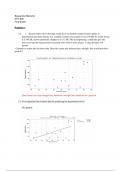
Figure 1. Coomassie Blue-stained SDS-PAGE Gel of Proteins of Known and Unknown
Molecular Weight – Ideal Gel
2
Professor Pate
BIO 180 Lab
CRN 60106
03/13/2018
Lab #6: SDS-PAGE
Introduction
Electrophoresis, which requires proteins to be denatured to only form primary structure,
is simple lab technique that separates molecules such as proteins or nucleic acids to determine
the rate of migration of those proteins. The rate depends on the molecule’s size, shape and net
charge. SDS-PAGE (sodium dodecyl sulfate polyacrylamide gel electrophoresis) is the most
common type of electrophoresis used in lab, which separates proteins based on their molecular
weight. For the proteins to be denatured, they are treated with SDS (sodium dodecyl sulfate – an
anionic detergent that unfolds the proteins), and BME (beta-mercaptoethanol – a strong reducing
agent that breaks disulfide bonds).
In this experiment, electrophoresis is performed using standard proteins of known
molecular weights as a “ladder” to determine the molecular weight of the unknown protein,
which is electrophoresed in the lanes next to the ladder.
1
, Tran Nguyen
Data and Results
MW Standard Proteins
Beginning of
Resolving Gel
Unknown Protein
Dye Front
Figure 1. Coomassie Blue-stained SDS-PAGE Gel of Proteins of Known and Unknown
Molecular Weight – Ideal Gel
2