Lecture 1, 2 and 3:
Summary
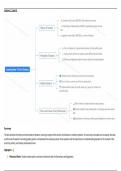
The text outlines the history and principles of taxation, tracing its origins from ancient civilizations to modern systems. It covers key concepts such as equity, fairness,
and the role of taxation in funding public goods. It emphasizes the evolving nature of tax systems and the importance of understanding taxation in the context of the
economy, ethics, and future professional roles.
Highlights -
1. Historical Roots: Taxation dates back to ancient civilizations like the Sumerians and Egyptians.
, 2. Key Quotes: Influential thoughts on taxes from figures like Benjamin Franklin and Adam Smith.
3. Principles of Taxation: Focus on equity, certainty, convenience, efficiency, flexibility, and simplicity.
4. Modern Taxation: Discussion on the impact of global and virtual economies on tax systems.
5. Tax Professionals: Exploration of the future roles and ethical responsibilities of tax professionals.
6. Pre-tests: Emphasis on engaging with practical exercises to understand taxation better.
7. Learning Tools: Use of technologies like QR codes and YouTube for enhanced learning experiences.
Key Insights -
1. Historical Context of Taxation: Taxation has evolved from ancient times, where it was often linked to protection and welfare, to modern systems that
prioritize revenue generation for public goods. Understanding this evolution helps contextualize current tax policies.
2. Equity in Taxation: Equity means fairness in taxation, with principles like vertical and horizontal equity ensuring that individuals are taxed according to their
ability to pay. This concept is crucial for maintaining social justice in financial obligations.
3. Impact of Tax on Society: Taxes are seen as both a burden and a means to fund civilization. Famous quotes reflect the duality of views on taxation,
emphasizing its role in societal structure and governance.
4. Principles Guiding Modern Taxation: Modern tax principles include efficiency and simplicity, aiming to create systems that are easy to understand and
administer while ensuring fair contributions from all citizens.
5. Future of Tax Professionals: The role of tax professionals is expected to grow, particularly in navigating complexities arising from global economies and
virtual currencies, which require continuous learning and adaptation.
6. Technological Integration in Learning: The use of QR codes and apps for educational purposes highlights the shift towards interactive and accessible
learning methods, making complex topics like taxation more engaging.
7. Ethical Considerations in Taxation: Ethics play a significant role in taxation, influencing policies and the responsibilities of tax professionals.
Understanding the moral implications of tax laws is essential for fostering trust in the system.
Lecture 4 and 5:
,
Summary
The text outlines the history and principles of taxation, tracing its origins from ancient civilizations to modern systems. It covers key concepts such as equity, fairness,
and the role of taxation in funding public goods. It emphasizes the evolving nature of tax systems and the importance of understanding taxation in the context of the
economy, ethics, and future professional roles.
Highlights -
1. Historical Roots: Taxation dates back to ancient civilizations like the Sumerians and Egyptians.
, 2. Key Quotes: Influential thoughts on taxes from figures like Benjamin Franklin and Adam Smith.
3. Principles of Taxation: Focus on equity, certainty, convenience, efficiency, flexibility, and simplicity.
4. Modern Taxation: Discussion on the impact of global and virtual economies on tax systems.
5. Tax Professionals: Exploration of the future roles and ethical responsibilities of tax professionals.
6. Pre-tests: Emphasis on engaging with practical exercises to understand taxation better.
7. Learning Tools: Use of technologies like QR codes and YouTube for enhanced learning experiences.
Key Insights -
1. Historical Context of Taxation: Taxation has evolved from ancient times, where it was often linked to protection and welfare, to modern systems that
prioritize revenue generation for public goods. Understanding this evolution helps contextualize current tax policies.
2. Equity in Taxation: Equity means fairness in taxation, with principles like vertical and horizontal equity ensuring that individuals are taxed according to their
ability to pay. This concept is crucial for maintaining social justice in financial obligations.
3. Impact of Tax on Society: Taxes are seen as both a burden and a means to fund civilization. Famous quotes reflect the duality of views on taxation,
emphasizing its role in societal structure and governance.
4. Principles Guiding Modern Taxation: Modern tax principles include efficiency and simplicity, aiming to create systems that are easy to understand and
administer while ensuring fair contributions from all citizens.
5. Future of Tax Professionals: The role of tax professionals is expected to grow, particularly in navigating complexities arising from global economies and
virtual currencies, which require continuous learning and adaptation.
6. Technological Integration in Learning: The use of QR codes and apps for educational purposes highlights the shift towards interactive and accessible
learning methods, making complex topics like taxation more engaging.
7. Ethical Considerations in Taxation: Ethics play a significant role in taxation, influencing policies and the responsibilities of tax professionals.
Understanding the moral implications of tax laws is essential for fostering trust in the system.
Lecture 4 and 5:
,