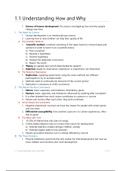
→ Operating activities: transactions involving revenue and expense activities (same activities that in the income statement).
→ Investing activities: transactions involving the purchase and sale of long-term assets and current investments. Primarily involve changes in long-term assets.
→ Financing activities: transactions with lenders, such as borrowing money and repaying debt and with stockholders, such as issuing stock, paying dividends and
purchasing treasury stock. Primarily involve changes in long-term liabilities and stockholders’ equity.
- Noncash activities: significant investing and financing activities that do not affect cash.
1.Purchase of long-term assets by issuing debt
2. Purchase of long-term assets by issuing stock.
3. Conversion of bonds payable into common stock.
4. Exchange of long-term assets.
- Indirect method: start with net income and adjust this number for (1) revenue and expense items that do not affect cash, (2) gains and losses that do not affect
operating cash flows, and (3) changes in current assets and current liabilities, to arrive at the net cash flows from operating activities.
- Direct method: adjusts the items in the income statement to directly show the cash inflows and outflows from operations, such as cash received from customers
and cash paid for inventory, salaries, rent, interest and taxes.
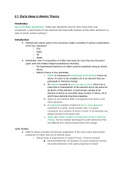
→ Common types of analysis that help asses a specific company’s performance are comparisons between companies, to the same industry and over time.
- Vertical analysis of the income statement (common-size analysis): expresses each item in a financial statement as a percentage of the same base amount.
- Horizontal analysis of the income statement (trend and time-series analysis): analyzes trends in financial statement data for a single company over time.
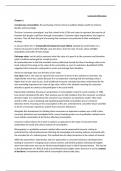
→Discontinued operations: an item that requires separate disclosure on the income statement after income from continuing operation.
→Quality of earnings (income): ability of reported earnings to reflect a company’s true earnings, as well as the usefulness of reported earnings to predict future earnings.
-RISK RATIOS: Liquidity: company’s ability to pay its current liabilities. // - Solvency: company’s ability to pay its long-term liabilities.
- PROFITABILITY RATIOS: most used and preferred by investors.
Measure the earnings and operating effectiveness of a company.
→ Investing activities: transactions involving the purchase and sale of long-term assets and current investments. Primarily involve changes in long-term assets.
→ Financing activities: transactions with lenders, such as borrowing money and repaying debt and with stockholders, such as issuing stock, paying dividends and
purchasing treasury stock. Primarily involve changes in long-term liabilities and stockholders’ equity.
- Noncash activities: significant investing and financing activities that do not affect cash.
1.Purchase of long-term assets by issuing debt
2. Purchase of long-term assets by issuing stock.
3. Conversion of bonds payable into common stock.
4. Exchange of long-term assets.
- Indirect method: start with net income and adjust this number for (1) revenue and expense items that do not affect cash, (2) gains and losses that do not affect
operating cash flows, and (3) changes in current assets and current liabilities, to arrive at the net cash flows from operating activities.
- Direct method: adjusts the items in the income statement to directly show the cash inflows and outflows from operations, such as cash received from customers
and cash paid for inventory, salaries, rent, interest and taxes.
→ Common types of analysis that help asses a specific company’s performance are comparisons between companies, to the same industry and over time.
- Vertical analysis of the income statement (common-size analysis): expresses each item in a financial statement as a percentage of the same base amount.
- Horizontal analysis of the income statement (trend and time-series analysis): analyzes trends in financial statement data for a single company over time.
→Discontinued operations: an item that requires separate disclosure on the income statement after income from continuing operation.
→Quality of earnings (income): ability of reported earnings to reflect a company’s true earnings, as well as the usefulness of reported earnings to predict future earnings.
-RISK RATIOS: Liquidity: company’s ability to pay its current liabilities. // - Solvency: company’s ability to pay its long-term liabilities.
- PROFITABILITY RATIOS: most used and preferred by investors.
Measure the earnings and operating effectiveness of a company.