5A Marketing, a customer base and
business objectives
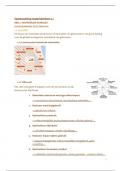
The process of implementing strategies to price, promote and distribute products to current and
Marketing potential customers.
Benefits of marketing Marketing and business objectives
Effective marketing strategy can help a business grow
by: A Major financial aim of a business it to make profits,
Helping the business reach its target audience and this can be often achieved through
Grow the customer base through customer Increasing sales
relationships increasing market share
Attracting new customers Expanding the size of the business.
ultimately increasing the bottom line- profit
Increasing sales
A business will want to attempt to reach the largest number of consumers that display the characteristics of it
customer profile.
Increasing market share
Offering a product/s that suits the needs of those within the business’s customer base better than competitors
can help increase a business’s percentage of sales within its respective industry.
Expanding the size of the business
Maximizing customer service
Likely to be caused as a result of a continuously
growing customer base.
Can be in the form of High levels of customer service will result in improved
moving to a larger premises customer satisfaction and positive customer reaction
opening of additional branch offices to the products purchased.
expanding the range of products offered.
Evaluating the effectiveness of marketing in achieving objectives
Performance indicators:
•Sales analysis: By comparing forecast sales and actual sales, the business can determine the success of its
marketing strategy.
•Market share analysis: can reveal whether changes in total sales have resulted from the business’s marketing
strategies or some uncontrollable external factor.
•Marketing profitability analysis: breaks down its total marketing costs into specific marketing activities and
comparing each activity with the results achieved.
Establishing a customer base Establishing a customer base
A customer base: A group of
Involes some market research, but also require a clear idea of who it is
consumers who continously
that would be interested in the buying the products or services offered.
purchase goods and services from a
•Customer profile: a basic description of who the ideal customer might
business.
be
, 5B,5C AND 5D MARKETING AND THE
INTERNAL AND EXTERNAL ENVIRONMENT
Internal environment
The impact of different elements in the internal environment on the establishment of a
customer base, through a marketing strategy include:
Owners and managers
Employees
corporate culture
owners and managers Employees
Must have the skills to develop a customer profile or Must be friendly, polite and efficient when providing
be able to hire a marketing manager with the customer service.
necessary skills. This is key to establishing and expanding the customer
•Must have a sound idea of business objectives base and enhancing brand identity.
•Will be the ones to recognize and implement change brand identity: the unique set of values a business seeks
in the marketing plan when necessary. to portray to its customers.
Corporate culture
•The shared values and beliefs of a business and its employees.
•Creating and maintaining a workplace environment that is customer-focused can result In customers feeling
valued, a strong customer base and enhanced brand identity.
•However, when a business’s culture is not customer-focused, employees may be disengaged and therefore lead
to poor customer service.
The eternal operating environment
•Stakeholders in the operating environment can both influence the marketing strategy and be influenced by it.
These stakeholders include
•Customers
•Suppliers
competitors
Customers
Suppliers
As the providers of raw materials, products for resale
•The needs and preferences of the customers must be
and equipment, suppliers depend on the success of
taken into consideration when developing a marketing
those businesses to which they sell their products.
strategy.
If the supplier supplies goods for resale, the marketing
•Without a focus on the needs and preferences of
strategy of the supplier will also influence the way in
customers, a marketing strategy will fail.
which the retailer markets those products.
Consider how Bunnings advertises a Ryobi drill.
Competitors
•A business owner must be aware of the marketing strategies used by its competitors in order to develop a unique
marketing plan, and create a point of difference.
•A marketing strategy must be more effective than that of competitors if it is to expand the customer base and
present a brand identity that has greater appeal.
This will also lead to an increase in market share.
business objectives
The process of implementing strategies to price, promote and distribute products to current and
Marketing potential customers.
Benefits of marketing Marketing and business objectives
Effective marketing strategy can help a business grow
by: A Major financial aim of a business it to make profits,
Helping the business reach its target audience and this can be often achieved through
Grow the customer base through customer Increasing sales
relationships increasing market share
Attracting new customers Expanding the size of the business.
ultimately increasing the bottom line- profit
Increasing sales
A business will want to attempt to reach the largest number of consumers that display the characteristics of it
customer profile.
Increasing market share
Offering a product/s that suits the needs of those within the business’s customer base better than competitors
can help increase a business’s percentage of sales within its respective industry.
Expanding the size of the business
Maximizing customer service
Likely to be caused as a result of a continuously
growing customer base.
Can be in the form of High levels of customer service will result in improved
moving to a larger premises customer satisfaction and positive customer reaction
opening of additional branch offices to the products purchased.
expanding the range of products offered.
Evaluating the effectiveness of marketing in achieving objectives
Performance indicators:
•Sales analysis: By comparing forecast sales and actual sales, the business can determine the success of its
marketing strategy.
•Market share analysis: can reveal whether changes in total sales have resulted from the business’s marketing
strategies or some uncontrollable external factor.
•Marketing profitability analysis: breaks down its total marketing costs into specific marketing activities and
comparing each activity with the results achieved.
Establishing a customer base Establishing a customer base
A customer base: A group of
Involes some market research, but also require a clear idea of who it is
consumers who continously
that would be interested in the buying the products or services offered.
purchase goods and services from a
•Customer profile: a basic description of who the ideal customer might
business.
be
, 5B,5C AND 5D MARKETING AND THE
INTERNAL AND EXTERNAL ENVIRONMENT
Internal environment
The impact of different elements in the internal environment on the establishment of a
customer base, through a marketing strategy include:
Owners and managers
Employees
corporate culture
owners and managers Employees
Must have the skills to develop a customer profile or Must be friendly, polite and efficient when providing
be able to hire a marketing manager with the customer service.
necessary skills. This is key to establishing and expanding the customer
•Must have a sound idea of business objectives base and enhancing brand identity.
•Will be the ones to recognize and implement change brand identity: the unique set of values a business seeks
in the marketing plan when necessary. to portray to its customers.
Corporate culture
•The shared values and beliefs of a business and its employees.
•Creating and maintaining a workplace environment that is customer-focused can result In customers feeling
valued, a strong customer base and enhanced brand identity.
•However, when a business’s culture is not customer-focused, employees may be disengaged and therefore lead
to poor customer service.
The eternal operating environment
•Stakeholders in the operating environment can both influence the marketing strategy and be influenced by it.
These stakeholders include
•Customers
•Suppliers
competitors
Customers
Suppliers
As the providers of raw materials, products for resale
•The needs and preferences of the customers must be
and equipment, suppliers depend on the success of
taken into consideration when developing a marketing
those businesses to which they sell their products.
strategy.
If the supplier supplies goods for resale, the marketing
•Without a focus on the needs and preferences of
strategy of the supplier will also influence the way in
customers, a marketing strategy will fail.
which the retailer markets those products.
Consider how Bunnings advertises a Ryobi drill.
Competitors
•A business owner must be aware of the marketing strategies used by its competitors in order to develop a unique
marketing plan, and create a point of difference.
•A marketing strategy must be more effective than that of competitors if it is to expand the customer base and
present a brand identity that has greater appeal.
This will also lead to an increase in market share.