1-21 of 21
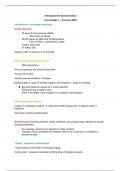
describe the major types of health services professionals according to their education
and training, role, and scope of practice
Give this one a go later!
, 1. Pharmacists
-medication "specialists"
-ensuring patient safety and improved health outcomes
-medication counseling, encourage adherence, obtain medication
histories, review the patient's medications for medication-related
problems, intervene with the physician to resolve identified problems,
document and communicate information to the physician
-moving from distribution and counseling --> team-bases clinical role
-Doctor of Pharmacy as of 2005
2. Physician
-Doctor of "Medicine" or "Osteopathy"
-3 year residency is required
-diagnosis is key feature or the physician's expertise
-traditionally seen as the leader of the patient's overall health care plan
BUT it is actually the PATIENT
3. Nurses
-Licensed Practical Nurse (LPN) = practical nursing degree (1 year)
-Registered Nurse (RN) = associates or bachelor of science in nursing
degree (18-48 months)
-perform ongoing assessment of patient's health status, spend the most
time with the patient, responsible for implementing orders, focuses on
patient's needs, growing roles in quality assurance, LPNs are supervised by
RNs
4. Advanced Practice Registered Nurse (APRN)
-doctorate-level
-nurse practitioners=deliver front-line primary and acute care
-more holistic
-perform diagnosis and treat common illness/injury and provide
preventative services
clinical nurse specialist=focus in a specific area and work in the hospital
setting
5. Physician Assistant
-majority work in outpatient physician offices
-2-3 years for a PA master's degree
-physician ultimately delegate authority
-assessment and diagnosis
treating minor illnesses and chronic disease
describe the major types of health services professionals according to their education
and training, role, and scope of practice
Give this one a go later!
, 1. Pharmacists
-medication "specialists"
-ensuring patient safety and improved health outcomes
-medication counseling, encourage adherence, obtain medication
histories, review the patient's medications for medication-related
problems, intervene with the physician to resolve identified problems,
document and communicate information to the physician
-moving from distribution and counseling --> team-bases clinical role
-Doctor of Pharmacy as of 2005
2. Physician
-Doctor of "Medicine" or "Osteopathy"
-3 year residency is required
-diagnosis is key feature or the physician's expertise
-traditionally seen as the leader of the patient's overall health care plan
BUT it is actually the PATIENT
3. Nurses
-Licensed Practical Nurse (LPN) = practical nursing degree (1 year)
-Registered Nurse (RN) = associates or bachelor of science in nursing
degree (18-48 months)
-perform ongoing assessment of patient's health status, spend the most
time with the patient, responsible for implementing orders, focuses on
patient's needs, growing roles in quality assurance, LPNs are supervised by
RNs
4. Advanced Practice Registered Nurse (APRN)
-doctorate-level
-nurse practitioners=deliver front-line primary and acute care
-more holistic
-perform diagnosis and treat common illness/injury and provide
preventative services
clinical nurse specialist=focus in a specific area and work in the hospital
setting
5. Physician Assistant
-majority work in outpatient physician offices
-2-3 years for a PA master's degree
-physician ultimately delegate authority
-assessment and diagnosis
treating minor illnesses and chronic disease