, HSY2601 Assignment 4 (COMPLETE ANSWERS)
Semester 2 2024 - DUE 30 September 2024 ; 100%
TRUSTED Complete, trusted solutions and
explanations.
Discuss the reasons for the unequal relations between black
and white people in the 19th-century US context after the
abolition of slavery and beyond. Recommended Readings: • The
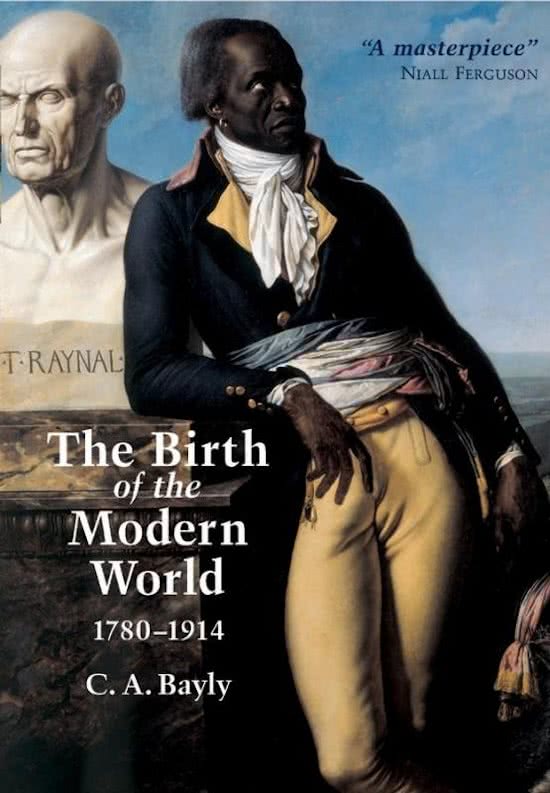
birth of the modern world, : global connections and
comparisons / C.A. Bayly. • Study Guide: HSY2601 HSY2601:
THEMES IN 19TH CENTURY HISTORY: POWER AND THE
WESTERN WORLD. 4 OR
The unequal relations between black and white people in the
19th-century U.S. context, particularly after the abolition of
slavery and beyond, can be attributed to several interrelated
factors:
1. Systemic Racism and Legal Discrimination: Despite the
formal abolition of slavery through the 13th Amendment
in 1865, systemic racism persisted. Jim Crow laws enforced
racial segregation and discrimination, institutionalizing
inequalities in education, employment, and public services.
2. Economic Disparities: The economic structure of the South
remained exploitative. Sharecropping emerged as a system
that kept many black families in cycles of debt and poverty,
limiting their economic mobility. White landowners
maintained control over economic resources, perpetuating
disparities.
Semester 2 2024 - DUE 30 September 2024 ; 100%
TRUSTED Complete, trusted solutions and
explanations.
Discuss the reasons for the unequal relations between black
and white people in the 19th-century US context after the
abolition of slavery and beyond. Recommended Readings: • The
birth of the modern world, : global connections and
comparisons / C.A. Bayly. • Study Guide: HSY2601 HSY2601:
THEMES IN 19TH CENTURY HISTORY: POWER AND THE
WESTERN WORLD. 4 OR
The unequal relations between black and white people in the
19th-century U.S. context, particularly after the abolition of
slavery and beyond, can be attributed to several interrelated
factors:
1. Systemic Racism and Legal Discrimination: Despite the
formal abolition of slavery through the 13th Amendment
in 1865, systemic racism persisted. Jim Crow laws enforced
racial segregation and discrimination, institutionalizing
inequalities in education, employment, and public services.
2. Economic Disparities: The economic structure of the South
remained exploitative. Sharecropping emerged as a system
that kept many black families in cycles of debt and poverty,
limiting their economic mobility. White landowners
maintained control over economic resources, perpetuating
disparities.