*Powerpoint will be where quiz information is pulled from
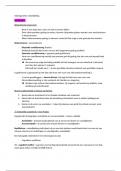
Looking at Abnormality:
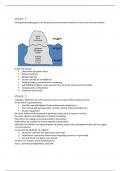
Abnormality along the Continuum
● Continuum model of abnormality
○ No clear line between normal and abnormal
○ Requires subjective decisions about when a person has a disorder or not
○ Diagnosis can be inconsistent
● What is normal and abnormal?
○ Cultural norms- normalized things for cultures/society
○ A diagnosis sticks with people
○ Cultural norms are what takes the biggest roles in defining abnormality
● Standard 1: Cultural Relativism
○ No universal standards or rules for labeling a behavior as abnormal
○ Instead, behaviors can only be abnormal relative to cultural norms
○ Cultures and gender can influence the ways people express symptoms
○ Willingness to admit to certain types of behaviors or feelings
● The Four D’s of Abnormality (Will be on quiz)
○ Dysfunction
■ Interfere with the person’s ability to function in daily life (thinking
you are satan)
○ Distress
■ Cause distress to themselves/others
○ Deviance
■ Hearing voices
○ Danger
■ Suicidal gestures
○ *if someone does something you always need to think will their future self
be effected*
○ If you don’t understand why statements like threatening sucidie is
abnormal, something is off
● Historical Perspectives
○ Biological theories
■ Similar to physical disease, breakdown of some systems of the
body
○ Supernatural theories
■ Divine intervention, curses, demonic possession, and person sin
○ Psychological theories
■ Mental disorders as the result of trauma(s)
● Ancient theories
○ Ancient Egypt, Greece and Rome
■ Primarily “natural” theories
■ Hysteria
○ Medieval views
■ Witchcraft
Looking at Abnormality:
Abnormality along the Continuum
● Continuum model of abnormality
○ No clear line between normal and abnormal
○ Requires subjective decisions about when a person has a disorder or not
○ Diagnosis can be inconsistent
● What is normal and abnormal?
○ Cultural norms- normalized things for cultures/society
○ A diagnosis sticks with people
○ Cultural norms are what takes the biggest roles in defining abnormality
● Standard 1: Cultural Relativism
○ No universal standards or rules for labeling a behavior as abnormal
○ Instead, behaviors can only be abnormal relative to cultural norms
○ Cultures and gender can influence the ways people express symptoms
○ Willingness to admit to certain types of behaviors or feelings
● The Four D’s of Abnormality (Will be on quiz)
○ Dysfunction
■ Interfere with the person’s ability to function in daily life (thinking
you are satan)
○ Distress
■ Cause distress to themselves/others
○ Deviance
■ Hearing voices
○ Danger
■ Suicidal gestures
○ *if someone does something you always need to think will their future self
be effected*
○ If you don’t understand why statements like threatening sucidie is
abnormal, something is off
● Historical Perspectives
○ Biological theories
■ Similar to physical disease, breakdown of some systems of the
body
○ Supernatural theories
■ Divine intervention, curses, demonic possession, and person sin
○ Psychological theories
■ Mental disorders as the result of trauma(s)
● Ancient theories
○ Ancient Egypt, Greece and Rome
■ Primarily “natural” theories
■ Hysteria
○ Medieval views
■ Witchcraft