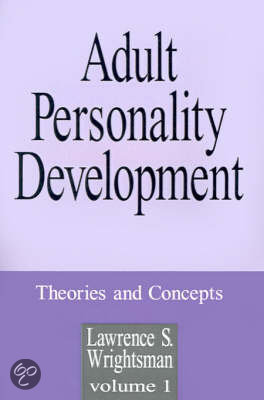
Summary Adult personality
development
Inhoudsopgave
Chapter 1: Conceptions of personality development in Adulthood........................................................4
Early formation theories.....................................................................................................................4
Psychoanalytic theory.....................................................................................................................5
The life script approach..................................................................................................................5
Stage theories of Adult development.................................................................................................5
Dialectical Approach to Personality Development.............................................................................6
Chapter 2: Psychoanalysis as an Early formation theory........................................................................7
Basic concepts in psychoanalytic theory.............................................................................................7
Personality Structure......................................................................................................................7
Stages of Psychological development.............................................................................................7
Validation of Freuds Theory................................................................................................................8
Karen Horney’s Modification of Psychoanalytic Theory.....................................................................9
Carl Jung’s Analytic Psychology..........................................................................................................9
Summary..........................................................................................................................................10
Chapter 3: Theorists’s lives: Do they determine their theories?..........................................................11
Theories as human constructs..........................................................................................................11
Freud’s life and his theory................................................................................................................11
Carl Jung’s life and his Theory...........................................................................................................12
Karen Horney’s life and Theory........................................................................................................12
Gordon Allport’s life and Theory......................................................................................................13
Summary..........................................................................................................................................13
Chapter 4: Erikson’s theory of psychosocial development...................................................................14
Erikson's Life.....................................................................................................................................14
How Erikson's Theory Differs from Freud's.......................................................................................14
Erikson’s stage theory.......................................................................................................................15
Erikson proposed that eight stages described the pattern of personality development from infancy
throughold age. ( “the eightstages of man.”) At each stage, a psychosocial “crisis” (Erikson's term)
faced the individual; this crisis—really a choice point—led to subsequent development going in
either one direction or another. A favourable resolution of the crisis leads to the acquisition of a
virtue at that stage. How the person adjusts to the crisis at each stage depends on what Erikson
labeled the epigenetic principle, which derives from the biological assumption that the
development of the embryo follows a broad, designated plan. Erikson hypothesized that “the
, success with which the demands of any stage are resolved lays the groundwork, good or bad, for
resolution of any further crisis”. In this “ground plan,” each part has its time of special ascendancy,
until all the aspects have developed to form an integrated organism.............................................15
Stage 1: Trust vs Mistrust He saw this stage as the foundation and hence by far the most important
stage. Learning what to expect in the world. Acquisition of trust meant not so much a belief that
the world is safe as that it is orderly and predictable. Hence, trust involves negative as well as
positive expectations. ‘ There is a correspondence between your needs and your world, basic
trust . In contrast, irregularity and inconsistent care can lead to the child experiencing anxiety and
insecurity, and hence mistrust.’ Erikson felt that the development of a favourable ratio of trust to
mistrust was ideal, leading to the acquisition of the virtue of hope. Complete regularity and
predictability would not prepare the child for the vicissitudes of life, so a small amount of mistrust
was desirable....................................................................................................................................15
Erikson’s case studies.......................................................................................................................17
Erikson on Luther..............................................................................................................................17
Erikson on Gandhi.............................................................................................................................18
Summary..........................................................................................................................................19
Chapter 5: Psychobiography and personality development in adulthood............................................20
Definition of psychohistory and psychobiography............................................................................20
Causal explanations of individuals....................................................................................................20
Adolf Hitler and causal explanations............................................................................................21
The ‘why’ of Richard Nixon...........................................................................................................21
Freud’s venture into psychobiography as an explanation............................................................21
Erikson as a psychobiographer.....................................................................................................21
Criteria for causal explanations........................................................................................................21
Coherent-Whole explanations..........................................................................................................21
An example of the coherent-whole approach..............................................................................22
Evaluation of coherent-whole explanations.................................................................................22
Attempts to explain a specific event or pattern in a person’s life.................................................22
Criticisms of psychobiography..........................................................................................................22
Error of facts.................................................................................................................................22
Errors of theory............................................................................................................................22
Resuscitating psychobiography........................................................................................................22
Chapter 6: Contemporary Stage Theories: Havighurst and Gould........................................................23
Robert Havighurst: An Emphasis on Life Tasks.................................................................................23
Roger Gould and Rejecting the Myths of Earlier Ages......................................................................24
Gould's Theoretical Background and Major Thesis...........................................................................24
Gould's Developmental Periods........................................................................................................24
The Empirical Basis for Gould's Theory.............................................................................................26
, Summary An Evaluation of Gould's Approach..................................................................................26
Chapter 7: Contemporary Stage Theories: Daniel Levinson.................................................................27
Levinson's Theoretical Orientation...................................................................................................27
The Seasons of a Man's Life..............................................................................................................27
Polarities in Midlife...........................................................................................................................28
Attachment/separateness............................................................................................................28
Destruction/Creation....................................................................................................................29
Masculine/Feminine.....................................................................................................................29
Young/Old.....................................................................................................................................29
Levinson’s Method...........................................................................................................................29
Evaluation of Levinson’s Theory.......................................................................................................30
Empirical Evidence for Stage Theories..............................................................................................30
Stage Theories and Women’s Development.....................................................................................31
Chapter 8: The dialectical approach.....................................................................................................34
Basics of the Dialectical Approach....................................................................................................35
Dialectical Approaches to Personality Development........................................................................35
Does Synthesis Lead to a Higher Level of Adaptation?.....................................................................35
Typical Dialectical Issues in Adulthood.............................................................................................36
A Case History Using a Dialectical Analysis.......................................................................................36
Summary..........................................................................................................................................37
, Chapter 1: Conceptions of personality development in
Adulthood
How do psychologist properly conceptualize the processes by which we move through the several
decades of adulthood? Do we simply unfold a scenario formed at an earlier age? Do changes reflect a
smooth and seamless transition? May apparent ‘Changes’ really reflect a manifestation of
consistencies in the underlying structure of one’s personality?
Three broad theoretical perspectives provide highly contrasting answers to questions like these.
Early formation approach: assumes that our character as adults is determined largely by what
happens in the first 5 years of childhood.
Stage theory of development: Proposes that development is reflected in reactions to a series of
conflicts between choices of life goals. The choice of each stage, or resolution of the conflict, affects
how the subsequent conflicts are approached and resolved. As represented in the concepts of Erik
Erikson, Daniel Levinson and Roger Gould
Dialectical analysis: Proposes that development can be conceptualized by an ongoing tension
between pairs of goals. Central to this approach is that no goal is ever fully achieved because tension
always exists.
The writer beliefs that the use of personal documents as sources of data can improve the knowledge
base for each theory and prove greater understanding of ourselves.
When referring to Personal documents, he means: autobiographies, memoirs, dairies and collections
of letters.
His focus is on the global nature of personality, as defined in a classic Allportian sense.
Early formation theories
As the twig is bent the tree is formed Experiences during childhood structure one’s orientation to
life as an adult. Extreme reflection You are what you were, only bigger and more; Whatever
occurs later is just an elaboration or refinement of an early orientation.
In this section several approaches relevant to an assumption of ‘‘early formation’’ are introduced.
Personal construct theory
Sigmund Freud and his followers are not the only ones who’s contributions provide support for a
view that adult personality is structured at an early age. Cognitive analyses of personality
development also may emphasize early developmental processes.
Our behaviour is influenced by our perception. We react to what we think we see or hear, not just
what is actually there.
In Personal construct theory Interpretation thus results from cognitive determinants ( in contrast
to psychoanalytic theory, which emphasizes motivations) Interpretation is inevitable, this theory
says, because the world is too complex to be perceived straightforwardly. We have to make decisions
rapidly on occasion, forcing us not only to perceive but to interpret. George Kelly developed personal
development
Inhoudsopgave
Chapter 1: Conceptions of personality development in Adulthood........................................................4
Early formation theories.....................................................................................................................4
Psychoanalytic theory.....................................................................................................................5
The life script approach..................................................................................................................5
Stage theories of Adult development.................................................................................................5
Dialectical Approach to Personality Development.............................................................................6
Chapter 2: Psychoanalysis as an Early formation theory........................................................................7
Basic concepts in psychoanalytic theory.............................................................................................7
Personality Structure......................................................................................................................7
Stages of Psychological development.............................................................................................7
Validation of Freuds Theory................................................................................................................8
Karen Horney’s Modification of Psychoanalytic Theory.....................................................................9
Carl Jung’s Analytic Psychology..........................................................................................................9
Summary..........................................................................................................................................10
Chapter 3: Theorists’s lives: Do they determine their theories?..........................................................11
Theories as human constructs..........................................................................................................11
Freud’s life and his theory................................................................................................................11
Carl Jung’s life and his Theory...........................................................................................................12
Karen Horney’s life and Theory........................................................................................................12
Gordon Allport’s life and Theory......................................................................................................13
Summary..........................................................................................................................................13
Chapter 4: Erikson’s theory of psychosocial development...................................................................14
Erikson's Life.....................................................................................................................................14
How Erikson's Theory Differs from Freud's.......................................................................................14
Erikson’s stage theory.......................................................................................................................15
Erikson proposed that eight stages described the pattern of personality development from infancy
throughold age. ( “the eightstages of man.”) At each stage, a psychosocial “crisis” (Erikson's term)
faced the individual; this crisis—really a choice point—led to subsequent development going in
either one direction or another. A favourable resolution of the crisis leads to the acquisition of a
virtue at that stage. How the person adjusts to the crisis at each stage depends on what Erikson
labeled the epigenetic principle, which derives from the biological assumption that the
development of the embryo follows a broad, designated plan. Erikson hypothesized that “the
, success with which the demands of any stage are resolved lays the groundwork, good or bad, for
resolution of any further crisis”. In this “ground plan,” each part has its time of special ascendancy,
until all the aspects have developed to form an integrated organism.............................................15
Stage 1: Trust vs Mistrust He saw this stage as the foundation and hence by far the most important
stage. Learning what to expect in the world. Acquisition of trust meant not so much a belief that
the world is safe as that it is orderly and predictable. Hence, trust involves negative as well as
positive expectations. ‘ There is a correspondence between your needs and your world, basic
trust . In contrast, irregularity and inconsistent care can lead to the child experiencing anxiety and
insecurity, and hence mistrust.’ Erikson felt that the development of a favourable ratio of trust to
mistrust was ideal, leading to the acquisition of the virtue of hope. Complete regularity and
predictability would not prepare the child for the vicissitudes of life, so a small amount of mistrust
was desirable....................................................................................................................................15
Erikson’s case studies.......................................................................................................................17
Erikson on Luther..............................................................................................................................17
Erikson on Gandhi.............................................................................................................................18
Summary..........................................................................................................................................19
Chapter 5: Psychobiography and personality development in adulthood............................................20
Definition of psychohistory and psychobiography............................................................................20
Causal explanations of individuals....................................................................................................20
Adolf Hitler and causal explanations............................................................................................21
The ‘why’ of Richard Nixon...........................................................................................................21
Freud’s venture into psychobiography as an explanation............................................................21
Erikson as a psychobiographer.....................................................................................................21
Criteria for causal explanations........................................................................................................21
Coherent-Whole explanations..........................................................................................................21
An example of the coherent-whole approach..............................................................................22
Evaluation of coherent-whole explanations.................................................................................22
Attempts to explain a specific event or pattern in a person’s life.................................................22
Criticisms of psychobiography..........................................................................................................22
Error of facts.................................................................................................................................22
Errors of theory............................................................................................................................22
Resuscitating psychobiography........................................................................................................22
Chapter 6: Contemporary Stage Theories: Havighurst and Gould........................................................23
Robert Havighurst: An Emphasis on Life Tasks.................................................................................23
Roger Gould and Rejecting the Myths of Earlier Ages......................................................................24
Gould's Theoretical Background and Major Thesis...........................................................................24
Gould's Developmental Periods........................................................................................................24
The Empirical Basis for Gould's Theory.............................................................................................26
, Summary An Evaluation of Gould's Approach..................................................................................26
Chapter 7: Contemporary Stage Theories: Daniel Levinson.................................................................27
Levinson's Theoretical Orientation...................................................................................................27
The Seasons of a Man's Life..............................................................................................................27
Polarities in Midlife...........................................................................................................................28
Attachment/separateness............................................................................................................28
Destruction/Creation....................................................................................................................29
Masculine/Feminine.....................................................................................................................29
Young/Old.....................................................................................................................................29
Levinson’s Method...........................................................................................................................29
Evaluation of Levinson’s Theory.......................................................................................................30
Empirical Evidence for Stage Theories..............................................................................................30
Stage Theories and Women’s Development.....................................................................................31
Chapter 8: The dialectical approach.....................................................................................................34
Basics of the Dialectical Approach....................................................................................................35
Dialectical Approaches to Personality Development........................................................................35
Does Synthesis Lead to a Higher Level of Adaptation?.....................................................................35
Typical Dialectical Issues in Adulthood.............................................................................................36
A Case History Using a Dialectical Analysis.......................................................................................36
Summary..........................................................................................................................................37
, Chapter 1: Conceptions of personality development in
Adulthood
How do psychologist properly conceptualize the processes by which we move through the several
decades of adulthood? Do we simply unfold a scenario formed at an earlier age? Do changes reflect a
smooth and seamless transition? May apparent ‘Changes’ really reflect a manifestation of
consistencies in the underlying structure of one’s personality?
Three broad theoretical perspectives provide highly contrasting answers to questions like these.
Early formation approach: assumes that our character as adults is determined largely by what
happens in the first 5 years of childhood.
Stage theory of development: Proposes that development is reflected in reactions to a series of
conflicts between choices of life goals. The choice of each stage, or resolution of the conflict, affects
how the subsequent conflicts are approached and resolved. As represented in the concepts of Erik
Erikson, Daniel Levinson and Roger Gould
Dialectical analysis: Proposes that development can be conceptualized by an ongoing tension
between pairs of goals. Central to this approach is that no goal is ever fully achieved because tension
always exists.
The writer beliefs that the use of personal documents as sources of data can improve the knowledge
base for each theory and prove greater understanding of ourselves.
When referring to Personal documents, he means: autobiographies, memoirs, dairies and collections
of letters.
His focus is on the global nature of personality, as defined in a classic Allportian sense.
Early formation theories
As the twig is bent the tree is formed Experiences during childhood structure one’s orientation to
life as an adult. Extreme reflection You are what you were, only bigger and more; Whatever
occurs later is just an elaboration or refinement of an early orientation.
In this section several approaches relevant to an assumption of ‘‘early formation’’ are introduced.
Personal construct theory
Sigmund Freud and his followers are not the only ones who’s contributions provide support for a
view that adult personality is structured at an early age. Cognitive analyses of personality
development also may emphasize early developmental processes.
Our behaviour is influenced by our perception. We react to what we think we see or hear, not just
what is actually there.
In Personal construct theory Interpretation thus results from cognitive determinants ( in contrast
to psychoanalytic theory, which emphasizes motivations) Interpretation is inevitable, this theory
says, because the world is too complex to be perceived straightforwardly. We have to make decisions
rapidly on occasion, forcing us not only to perceive but to interpret. George Kelly developed personal